Musk’s Political Standoff: A New Front in the Tech-Government Battle
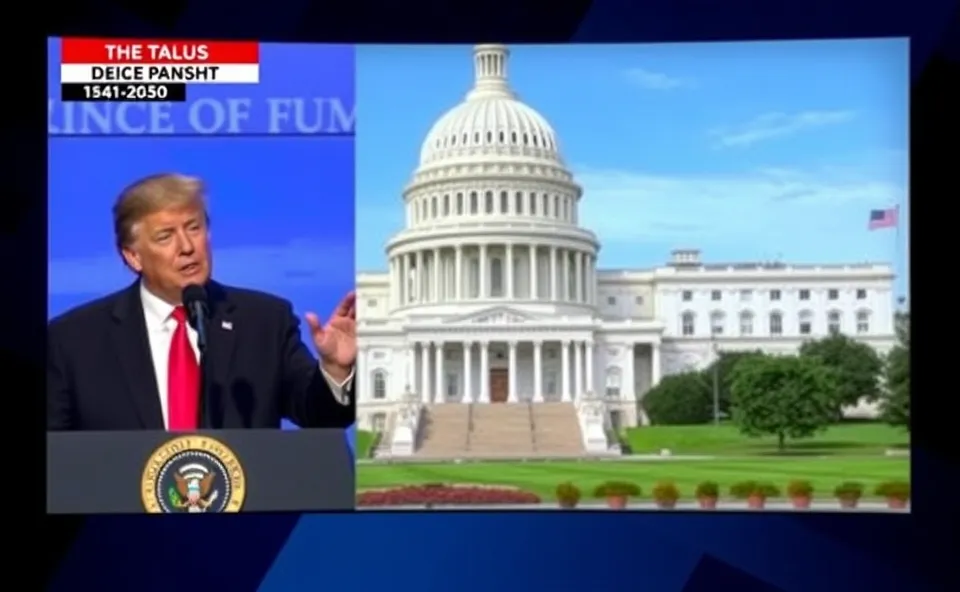
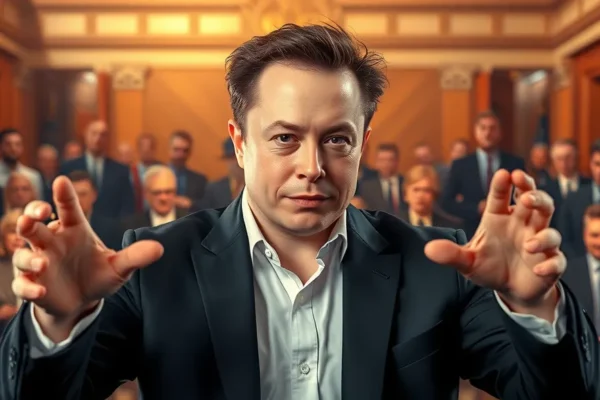
In a dramatic escalation of his ongoing clashes with regulatory bodies, Elon Musk has publicly threatened to leverage his considerable influence against Democratic lawmakers. This move comes as these legislators reportedly consider investigations into his business dealings, including his involvement with cryptocurrencies like DOGE and the operations of his major companies, Tesla and SpaceX. The precise trigger for this latest pronouncement appears to be the rumblings of potential congressional oversight, a recurring theme for tech leaders navigating increasing scrutiny. While specific official announcements detailing impending investigations are scarce, reports from reputable business news outlets, citing sources close to Capitol Hill, suggest these discussions are gaining traction.
The Strategic Game of Influence and Protection
Musk’s declaration appears to be a preemptive strategic maneuver, aimed at deterring potential investigations before they gain momentum. The rationale behind such a move is multifaceted. For one, it serves as a defensive strategy to protect his vast business empire, which spans cutting-edge technology in electric vehicles and aerospace, alongside significant financial interests in the cryptocurrency space. Investigations, even if ultimately unfounded, can be time-consuming, costly, and damaging to a company’s reputation and public perception. By issuing a public threat, Musk is signaling a willingness to engage in a political fight, potentially mobilizing his vocal fanbase and the broader tech community against those who might seek to scrutinize his ventures. This also aligns with a broader trend of tech titans pushing back against regulatory overreach, framing such oversight as detrimental to innovation and economic growth. The opportunity here is to shape the narrative and preemptively discredit any forthcoming inquiries as politically motivated.
Shifting the Competitive Landscape in Tech and Finance
This political engagement by Elon Musk has significant implications for the competitive landscape across multiple sectors. In the automotive industry, where Tesla is a dominant force, rivals like General Motors and Ford are under pressure to accelerate their own electric vehicle development. Any distraction or impediment to Tesla’s progress, however manufactured, could provide a brief window for competitors. In aerospace, SpaceX’s disruptive approach to space exploration challenges established players like Boeing and Lockheed Martin. The cryptocurrency market, particularly for DOGE, thrives on sentiment and public perception. Musk’s direct involvement, even in a political context, continues to influence market dynamics and investor confidence. The threat of retaliation could empower other tech leaders to adopt similar confrontational stances, potentially leading to a more polarized relationship between the technology sector and government oversight. Those who benefit are those who can navigate this political turbulence effectively, while those who rely on a more stable regulatory environment might find themselves at a disadvantage.
Industry-Wide Signals of a New Tech-Government Dynamic
Musk’s actions are more than just a personal dispute; they send ripples across the entire technology and finance industries. This heightened political tension signals a broader trend: powerful tech figures are increasingly willing to engage in public and political battles to defend their interests. This could lead to an arms race of influence, with companies and lawmakers alike deploying their resources to sway public opinion and policy. For the cryptocurrency sector, already a target of regulatory attention due to concerns about financial stability and illicit activity, this adds another layer of complexity. Industry peers, particularly those in innovative but less established sectors, may feel emboldened to adopt similar defensive postures, or conversely, they may seek to distance themselves from such confrontational tactics to avoid collateral damage. The broader competitive landscape is shifting, with political maneuvering becoming as crucial as product development and market penetration.
Financial and Operational Ripple Effects Amidst Political Strife
The immediate financial implications of this political spat are difficult to quantify but are not negligible. While Tesla and SpaceX are not currently facing direct financial penalties related to these potential investigations, the uncertainty generated can impact investor sentiment. Volatility in stock prices, particularly for Tesla, is a known consequence of Musk’s public pronouncements and regulatory clashes. For DOGE, its price is notoriously sensitive to Musk’s tweets and public statements, and a protracted political fight could introduce significant volatility. Operationally, extensive investigations can divert management attention and resources away from core business activities. However, Musk’s history suggests a capacity to compartmentalize and delegate, allowing his companies to continue their ambitious operational goals, such as scaling Tesla’s production and advancing SpaceX’s Starship program. In the short term, the market may react with caution, but long-term financial impact hinges on the actual substance of any investigations and the effectiveness of Musk’s retaliatory strategy.
Navigating the Minefield of Execution Risks and Challenges
Despite Musk’s formidable influence, this strategy is fraught with execution risks. The primary risk is that his threats may prove hollow or counterproductive, potentially galvanizing lawmakers rather than deterring them. History shows that while Musk can rally a devoted following, alienating political powers can lead to intensified scrutiny. Furthermore, the very companies he seeks to protect, Tesla and SpaceX, rely heavily on government contracts and regulatory approvals, particularly SpaceX with its NASA and military partnerships. Alienating a significant political faction could jeopardize these crucial relationships. A key challenge will be maintaining public support if the political fight becomes acrimonious, and ensuring that the focus remains on the perceived injustices rather than becoming a distraction from his companies’ core missions. The organizational challenge lies in managing the reputational fallout and ensuring that employees remain focused on innovation amidst political turbulence.
Stakeholder Sentiments in a Politically Charged Environment
This unfolding drama significantly impacts various stakeholders. For employees at Tesla and SpaceX, it creates an environment of uncertainty and potentially pressure to align with their leader’s public stance. Customers, particularly Tesla owners, may find themselves caught in the middle, with some rallying in support and others expressing concern about the distractions. Investors will be closely monitoring market sentiment and the potential impact on stock valuations; while Musk’s fanbase often drives positive sentiment, increased political risk can introduce bearish pressures. For the cryptocurrency community, this situation adds another layer of political risk to an already volatile asset class, with DOGE holders particularly attuned to Musk’s influence. Culturally, it reinforces Musk’s image as a disruptor willing to challenge established powers, which appeals to some but alienates others.
The Road Ahead: Monitoring Political Winds and Business Performance
The immediate next steps will involve observing how Democratic lawmakers respond to Musk’s threat. If investigations proceed, the focus will shift to the evidence and the legal processes involved. Key milestones to watch include any formal announcements of subpoenas, public hearings, or legislative proposals. For Musk’s strategy to succeed, he needs to either successfully deter investigations or frame any resulting scrutiny in a way that garners public sympathy and political pressure against the investigators. Success will be measured by the absence of significant regulatory penalties or operational disruptions for his companies, and potentially by a shift in the political discourse concerning tech regulation. We should expect to see continued engagement from Musk on social media and in public statements, as he seeks to shape the narrative. Measurable outcomes could take months, if not years, to materialize, depending on the complexity of any potential inquiries.
Key Questions and Answers About Musk’s Political Stance
Will Elon Musk’s threat to retaliate against Democrats be effective in deterring investigations into his companies and cryptocurrency involvement?
The effectiveness of Musk’s threat is uncertain. It could rally his supporters and pressure some lawmakers, but it also risks hardening the resolve of those seeking oversight, potentially leading to more intense scrutiny and a protracted political fight.
Why didn’t Musk’s companies, like Tesla or SpaceX, proactively engage with lawmakers to address concerns before threats of investigation emerged?
Companies typically engage with regulators through established channels. Musk’s public threat suggests a belief that traditional engagement may be insufficient or that a more aggressive stance is strategically advantageous to preempt perceived overreach and protect his interests.
What are the main risks for Tesla and SpaceX if this political fight escalates and investigations proceed?
Escalation could lead to significant reputational damage, distraction of key personnel from operational duties, increased legal costs, and potential regulatory hurdles that could impact everything from Tesla’s production lines to SpaceX’s launch licenses and future government contracts.
How might this political confrontation impact the price and adoption of DOGE and other cryptocurrencies?
The volatility of cryptocurrencies like DOGE is already high, and this political drama adds another layer of uncertainty. It could deter some institutional investors wary of regulatory risks but might also energize parts of the cryptocurrency community that see Musk as a champion against perceived establishment overreach.
What is the long-term business impact of Elon Musk’s increasing involvement in political battles for his technology and finance ventures?
In the long term, this could redefine the relationship between tech innovators and government, potentially leading to more confrontational dynamics. While it might protect specific interests in the short term, it could also create lasting friction that impacts future growth and market access.
How might competitors in the automotive, aerospace, and cryptocurrency sectors leverage this situation to their advantage?
Competitors could benefit from any instability or distraction within Musk’s companies. If regulatory scrutiny slows down Tesla or SpaceX, rivals might gain a competitive edge in market share or development timelines, provided they can navigate the political landscape more smoothly.
This analysis highlights that business outcomes are subject to execution risk and external factors.