

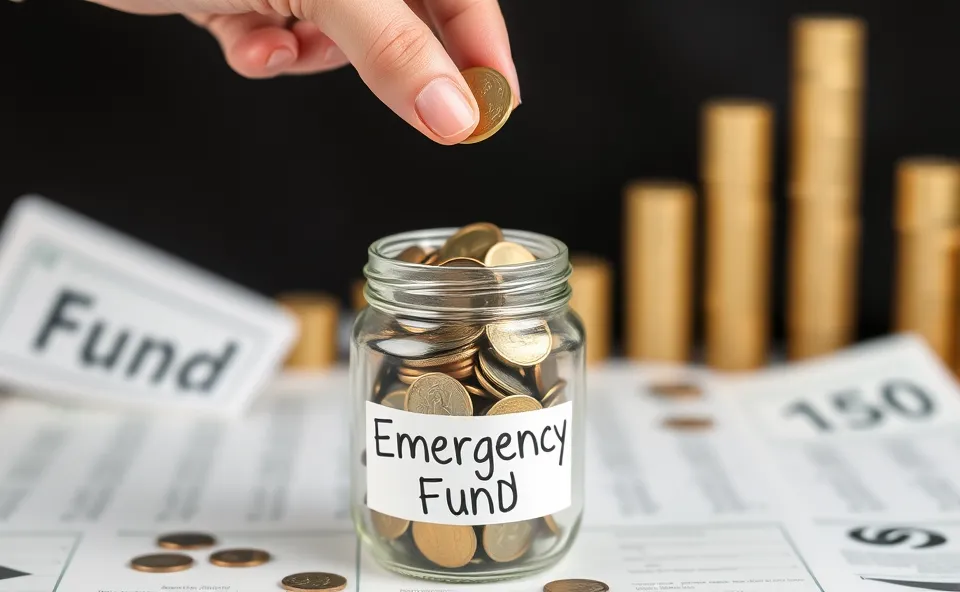
The Secret to Sleeping Better at Night
Imagine waking up to a phone call that your car needs a major engine repair or your laptop suddenly dies right before a big project deadline. For many of us, these moments trigger a wave of panic. Not because of the broken item, but because of the price tag. This is where the concept of an emergency fund comes into play.
In simple terms, an emergency fund is a stash of money set aside specifically for unplanned expenses. It is not for a summer vacation or a new gadget. It is a financial safety net designed to catch you when life throws a curveball. Most experts suggest aiming for a goal of three to six months of basic living expenses. This means if you spend 3,000 dollars a month on rent, food, and utilities, you want between 9,000 and 18,000 dollars sitting in a safe, accessible account.
Building this fund is one of the most important steps in any personal finance guide. It transforms a potential crisis into a mere inconvenience. Instead of stressing over how to pay for a surprise medical bill, you simply dip into your fund, handle the problem, and get back to your life.
Why Everyone is Talking About Financial Safety Right Now
You might notice that more people are discussing personal finance and rainy day funds than ever before. This is not a coincidence. The global economy has felt volatile lately. Between shifting job markets, the rise of automation, and the fluctuating cost of living, the feeling of stability has slipped away for many.
People are realizing that relying on a single paycheck is a risky strategy. In the past, a steady job often felt like a guarantee of security. Today, the landscape is different. Whether it is a sudden company restructure or an unexpected health issue, the need for a buffer has become a priority. This shift in mindset is why so many are searching for ways to save expenses and build a wall of protection around their households.
There is also a growing movement toward financial independence. People no longer want to be one bad break away from debt. They want the freedom to make choices based on what they want, not just what they can afford in the moment.
How We Got Here and Where We Start
For a long time, the common approach to money was simple: earn, spend, and maybe save whatever is left at the end of the month. The problem is that there is rarely anything left. This cycle creates a precarious situation where any surprise expense leads directly to high interest credit card debt.
Financial planning used to feel like something only wealthy people did with professional advisors. However, the democratization of information has changed that. We now understand that the foundation of all wealth is not how much you make, but how much you keep. The transition from living paycheck to paycheck to having a secure cushion requires a shift in habits.
To start, you have to redefine your relationship with money. Saving is no longer about deprivation. Instead, it is about buying future peace of mind. Before you can dive into complex investments, you must first secure your base. This background of stability is what allows you to take risks later in life, such as starting a business or switching careers.
The Real World Power of a Rainy Day Fund
Having a solid emergency fund does more than just pay bills. It changes your psychology. When you know you have a cushion, your stress levels drop. You no longer feel trapped in a job you hate because you are terrified of a one month gap in pay. You gain a sense of agency over your life.
To reach that goal of three to six months of expenses quickly, you need a clear plan. Here are some practical strategies to accelerate your savings:
Smart Budgeting Tips
You cannot save what you do not track. Start by listing every single expense for one month. Once you see where the money goes, you can apply the 50/30/20 rule. Allocate 50 percent of your income to needs, 30 percent to wants, and 20 percent to your savings goals. If you are in a rush to build your fund, consider temporarily shifting that 30 percent of wants over to your savings.
Ways to Cut Expenses
Small leaks sink big ships. Look for the recurring costs that do not add much value to your life. This often includes:
- Unused streaming subscriptions or gym memberships.
- Eating out several times a week.
- Premium cable packages you rarely watch.
- Impulse buys from online shopping apps.
By cutting these expenses, you can funnel an extra few hundred dollars a month directly into your fund.
Debt Reduction Strategies
High interest debt can eat your savings alive. While you build your fund, try to tackle high interest loans using the snowball or avalanche method. The snowball method focuses on paying off the smallest debts first for a psychological win. The avalanche method targets the highest interest rates first to save money over time. Reducing your debt load frees up more cash to help you save expenses faster.
Automate Your Success
The easiest way to save is to make it invisible. Set up an automatic transfer from your checking account to a separate savings account the day you get paid. If you never see the money in your spending account, you will not miss it. This removes the willpower struggle from the equation.
What Comes After the Safety Net
Once you have hit that six month mark, you enter a new phase of financial security. You are no longer in survival mode. This is where the real growth happens. With your foundation secure, you can look toward the future with a different perspective.
The next logical step is to move from a rainy day fund to a wealth building strategy. This might involve investing in the stock market, contributing more to retirement accounts, or purchasing assets that generate passive income. The beauty of the emergency fund is that it protects your investments. If the market dips or you have a personal crisis, you will not be forced to sell your investments at a loss because you have cash on hand.
Over time, your focus will shift from simply avoiding disaster to actively designing your life. You will find that you are more confident in your professional negotiations and more relaxed in your personal life. The safety net is not the destination, but it is the essential bridge that takes you from financial anxiety to financial freedom.
Common Questions About Building Your Fund
Where is the best place to keep an emergency fund?
You want your money to be liquid and safe. A high yield savings account is usually the best choice. It keeps the money separate from your daily spending so you are not tempted to use it, but you can still transfer it to your checking account within a day or two if a crisis hits.
How do I know if an expense is a real emergency?
A real emergency is something that is urgent, unexpected, and necessary. A flat tire is an emergency. A flash sale on a new TV is not. If the expense affects your health, your ability to earn a living, or your basic shelter, it qualifies as a use of your emergency fund.
Should I save my fund before paying off debt?
It is often helpful to create a small starter fund, perhaps one thousand dollars, before aggressively attacking debt. This prevents you from sliding back into debt the moment a small emergency happens. Once you have that starter cushion, you can balance debt reduction strategies with continuing to grow your full fund.
How long does it take to save expenses for six months?
The timeline depends on your income and how aggressively you cut expenses. Some people reach this goal in six months, while others take two years. The key is consistency. Even saving a small amount every week builds the habit and moves you closer to your goal.
What happens if I have to use my emergency fund?
First, do not feel guilty. That is exactly why the money exists. Once the crisis is over, your primary financial goal should shift back to replenishing the fund. Treat the refill process with the same urgency you used to build it the first time to ensure your financial security remains intact.











