

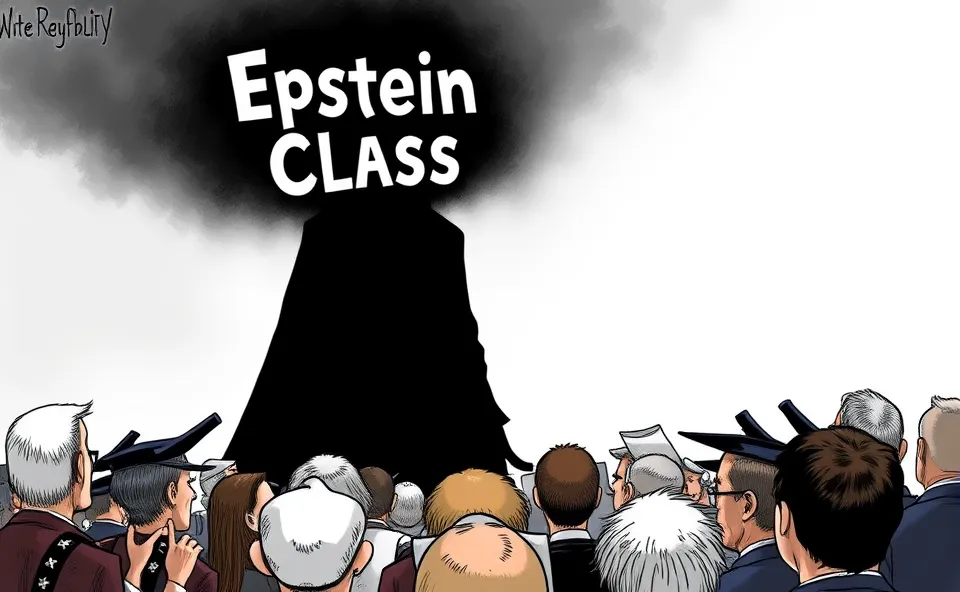
The “Epstein Class” A New Rallying Cry
You’ve probably heard the term “Epstein class” popping up in conversations about US politics lately. It’s more than just a name; it’s become a powerful populist battle cry. Think of it as shorthand for a deep frustration people feel about those who seem to be above the law, no matter how serious the accusations. This phrase captures a sentiment that’s resonating strongly, especially as we head into the midterm elections. It taps into a feeling that there’s a hidden network of powerful individuals, often connected to wealth and influence, who operate with a different set of rules.
Why Is This Talk Heating Up Now?
The reason the “Epstein class” is such a hot topic right now is directly tied to public perception and the ongoing discussions about elite impunity. As more information and allegations come to light, or are reexamined, people are connecting the dots. This isn’t just about one person; it’s about what that person represents. The idea that someone with immense wealth and connections could allegedly engage in such behavior and potentially evade full accountability fuels a powerful sense of injustice. This feeling is amplified during election cycles when voters are scrutinizing politicians and the systems they represent. It’s a stark reminder of how power dynamics can play out and how crucial accountability is to maintaining trust in our institutions.
Digging Into The Roots Of The Outcry
To truly understand why the “Epstein class” has become such a significant populist battle cry, we need to look back. Jeffrey Epstein’s arrest and subsequent death in prison brought his alleged network of powerful associates into the spotlight. The accusations were not just about him but also about the people he allegedly interacted with and the systems that may have allowed his alleged crimes to continue for so long. This isn’t a new story in politics; the idea of a powerful elite operating outside societal norms has been a recurring theme. However, the specifics of the Epstein case, involving allegations of sex trafficking and exploitation of minors, combined with the sheer level of influence reportedly involved, struck a particularly raw nerve. It highlighted what many see as a failure of the justice system and a disturbing level of elite impunity. This background provides the fertile ground for the “Epstein class” to grow as a symbol of broader societal concerns.
What Does This Mean For All Of Us?
The implications of this growing concern over the “Epstein class” are far reaching, especially in the context of US politics and upcoming midterm elections. For voters, it translates into a demand for greater accountability and a desire to see those in power held to the same standards as everyone else. This sentiment can influence how people vote, pushing them towards candidates who promise to crack down on corruption and privilege, or who appear to be outsiders fighting against the establishment. For politicians, it means that discussions around elite impunity and social justice are no longer fringe issues; they are central to the political discourse. Businesses and industries that were linked, even tangentially, to those accused may also feel pressure. Fundamentally, this movement is about reclaiming a sense of fairness and challenging the perception that wealth and power grant immunity. It forces a reckoning with power dynamics and raises important questions about who truly holds influence and how that influence is exercised.
Looking Ahead: What’s Next For This Movement?
The future of the “Epstein class” as a populist battle cry will likely be shaped by a few key factors. First, the ongoing investigations and any further legal proceedings will continue to fuel public interest. If more individuals connected to the alleged network face consequences, it will reinforce the narrative and strengthen the populist sentiment. Conversely, if there’s a perception that accountability is lacking, the frustration will likely grow. We can also expect political campaigns to continue to leverage this sentiment. Candidates will likely highlight their commitment to fighting against elite privilege and ensuring justice for all. The media will also play a crucial role in shaping public perception, either by continuing to shed light on these issues or by shifting focus. Ultimately, the “Epstein class” represents a powerful signal that the public is demanding more transparency and a more level playing field. Its longevity will depend on whether the system responds with genuine accountability and whether the political landscape continues to reflect these deeply held public concerns.
Your Questions Answered About The “Epstein Class”
What is the “Epstein class” in US politics?
The “Epstein class” refers to a group of wealthy and powerful individuals who are perceived to have operated with impunity, allegedly shielded from the full force of the law due to their status and connections, a concept often brought up in US politics.
How does elite impunity relate to the “Epstein class” debate?
Elite impunity is at the core of the “Epstein class” discussion. It highlights the public’s belief that certain privileged individuals are not held accountable for their actions in the same way as ordinary citizens, a sentiment that fuels the populist battle cry.
Could the “Epstein class” influence the midterm elections?
Yes, the concerns surrounding the “Epstein class” and elite impunity can significantly influence the midterm elections by shaping voter sentiment and driving a desire for candidates who promise greater accountability and a fairer system.
What is the background of the “Epstein class” as a political discourse theme?
The background stems from the accusations and investigations surrounding Jeffrey Epstein, which brought to light alleged networks of powerful figures and raised questions about systemic failures and the extent of elite impunity in US politics.
What does the rise of the “Epstein class” as a populist battle cry signify for social justice?
The rise of the “Epstein class” as a populist battle cry signifies a growing public demand for social justice and accountability, pushing for a system where power and wealth do not guarantee immunity from consequences.











