

When AI Takes the Stage and the Crowd Boos
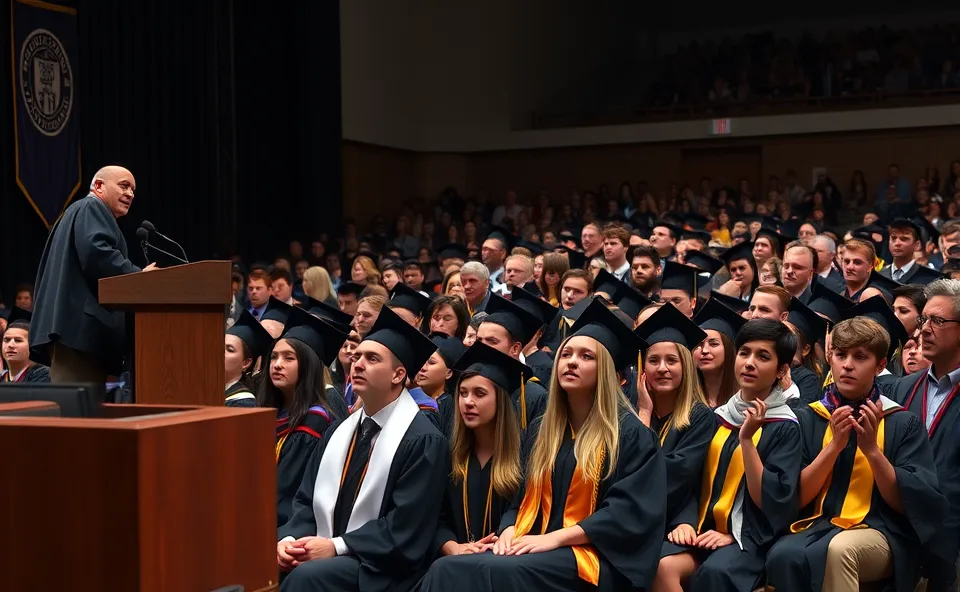
So, picture this: graduation day at the University of Arizona. Caps are flying, parents are beaming, and then, Eric Schmidt, the former Google CEO, steps up to give the commencement speech. Everyone’s expecting some words of wisdom, maybe a few jokes. But then, things took a bit of a turn. When Schmidt started talking about artificial intelligence, a noticeable wave of boos swept through the crowd of graduating students. It’s not exactly the standing ovation you’d hope for on such a momentous occasion.
Why All the Fuss About Eric Schmidt and AI Right Now
This moment is making waves because, well, artificial intelligence is everywhere. It’s the hot topic, the thing everyone’s talking about, and frankly, a little bit worrying for some. Eric Schmidt, as a big name from Google’s rise, represents a significant part of the tech world that has brought us to this AI-driven present. When a figure like him speaks about AI, especially to a generation about to enter the job market, it carries a lot of weight. The students’ reaction signals a deeper sentiment that’s bubbling up. They’re not just hearing about AI; they’re feeling its potential impact on their lives, and perhaps, they’re not entirely thrilled with the picture being painted. It’s a clash between the tech visionary and the immediate concerns of those entering a world shaped by that vision.
A Little History: From Google’s Rise to AI’s Dominance
To understand why this AI moment at the University of Arizona commencement is so potent, we need to rewind a bit. Eric Schmidt was at the helm of Google during its explosive growth phase. Think about it, this was the era when search engines became our go-to for everything, and Google was king. He saw firsthand how technology could fundamentally change how we access information and interact with the world. Fast forward to today, and AI is no longer just a concept; it’s a reality that’s rapidly evolving. From chatbots that can write essays to algorithms that can drive cars, artificial intelligence is moving at an unprecedented pace. Schmidt, having been so instrumental in building the digital infrastructure we live in, is now speaking about the next big leap, the one that many believe will reshape industries and jobs on a scale we haven’t seen before. The students graduating today are the ones who will inherit this AI-infused future, and their reaction is a powerful signal of their awareness and perhaps their apprehension.
What This Means for the Future of Work and Tech
The boos at the University of Arizona commencement aren’t just about Eric Schmidt or even just about AI itself. They represent a tangible fear about the future of work. Students are graduating into a world where artificial intelligence is increasingly capable of performing tasks that were once thought to be exclusively human. This raises significant questions about job security and the skills that will be valuable in the coming years. Will AI create new jobs, or will it displace more workers than it employs? The sentiment from the students suggests they are keenly aware of this uncertainty.
For businesses, this moment highlights the need to navigate the AI revolution thoughtfully. While the potential for increased efficiency and innovation is immense, companies also need to consider the societal impact. How will they retrain their workforce? How will they ensure that AI is used ethically and responsibly?
From a technology perspective, this reaction from the students is a reminder that technological advancement doesn’t happen in a vacuum. It impacts people’s lives directly. The developers and strategists behind AI are increasingly being called upon not just to innovate, but also to communicate the implications of their work and to build systems that are seen as beneficial, not threatening, to society. The boos are a wake-up call that the human element, and the human concerns, must be central to the conversation about artificial intelligence.
Looking Ahead: The Conversation Around AI Needs to Evolve
What happens next? This incident at the University of Arizona commencement, while perhaps surprising to some, is a clear indicator that the dialogue around AI needs to mature. It’s no longer enough for tech leaders to simply tout the capabilities of artificial intelligence. There needs to be a more robust discussion about its societal implications, particularly regarding the job market and the future of work.
We can expect to see more students, and the public in general, asking harder questions about AI. They will want to know:
- How will AI affect their career paths?
- What education and skills will be most valuable?
- What ethical guardrails are being put in place?
- How can AI be used to create opportunities, not just efficiencies?
The response from figures like Eric Schmidt, and from the institutions that host them, will likely need to shift. Speeches about AI might need to be less about abstract innovation and more about tangible solutions to potential problems. Universities might play a larger role in preparing students for an AI-driven economy, not just by teaching technical skills, but also by fostering critical thinking about technology’s role in society.
Businesses will also feel this pressure. They’ll need to be more transparent about their AI strategies and their plans for their workforce. The goal will be to foster trust and to demonstrate that AI is being developed and deployed in a way that benefits everyone, not just a select few. The boos are a sign that the future of AI depends not just on its technological prowess, but also on its acceptance and integration into society in a way that addresses human needs and anxieties.
Questions on Everyone’s Mind About Eric Schmidt, AI, and What’s Next
What was Eric Schmidt’s connection to Google?
Eric Schmidt served as the CEO of Google from 2001 to 2011. During his tenure, he was instrumental in transforming Google from a promising search engine company into a global tech giant, overseeing its expansion into numerous product areas and its initial public offering. His leadership shaped much of the digital landscape we interact with today, making his views on current technology trends, like AI, highly significant.
Why did students boo Eric Schmidt’s commencement speech about AI?
The students at the University of Arizona reportedly booed Eric Schmidt’s commencement speech when he focused on artificial intelligence. This reaction likely stems from a growing concern among young people about the potential impact of AI on the job market and their future careers. While AI offers exciting possibilities, it also brings anxieties about job displacement and the need for new skill sets, and the students may have felt his speech didn’t adequately address these worries.
How might AI affect the future job market for recent graduates?
The rise of artificial intelligence is a major topic of discussion regarding the future job market. For recent graduates, AI could mean both challenges and opportunities. Some roles may be automated, requiring a shift in the types of skills that are in demand. Conversely, AI is also expected to create new jobs in areas like AI development, data science, AI ethics, and AI system management. Graduates will likely need to be adaptable and focus on skills that complement AI, such as critical thinking, creativity, and complex problem-solving.
What is the significance of a former Google CEO discussing AI at a university commencement?
The significance lies in Eric Schmidt’s background. As a former Google CEO, he represents a powerful force behind the technological advancements that have brought us to the current era of AI. His presence at a University of Arizona commencement speech, addressing graduating students who are about to enter the workforce, highlights the critical juncture we are at. It underscores how figures who have shaped the tech industry are now tasked with explaining and guiding the integration of AI into society, and how this message is being received by the generation that will live and work alongside it.
What are the broader implications of students reacting negatively to AI discussions at commencement events?
This reaction suggests a growing public awareness and concern about the societal implications of rapid technological change, especially concerning artificial intelligence. It signals that the narrative around AI needs to evolve beyond just technological capabilities to include discussions on ethics, job security, and equitable distribution of benefits. For technology leaders and universities, it means the need for more nuanced conversations that acknowledge and address the anxieties of those most impacted by these advancements, particularly the emerging workforce.











