

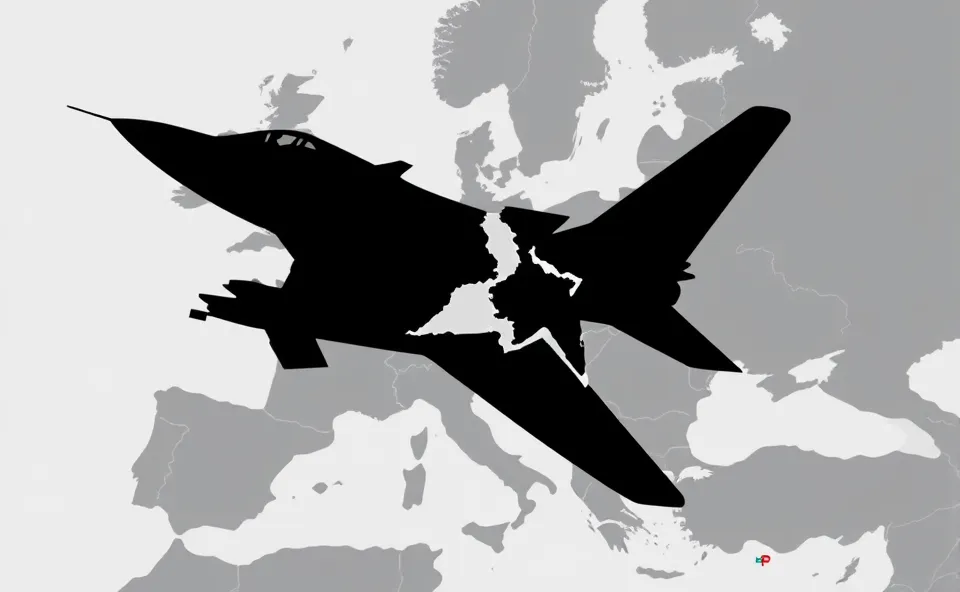
The Big Split: Germany Pulls Out of a Giant Fighter Jet Project
Imagine a huge, ambitious plan to build the next generation of fighter jets, a project that was supposed to showcase European strength and innovation. That was the idea behind a massive Franco-German collaboration. But recently, Germany decided to step away from this enormous undertaking. We’re talking about a €100 billion plan, a truly eye watering sum, and Germany’s exit sends shockwaves through the European defense industry. It’s a major shake up in how European nations are thinking about their future military aviation capabilities and their joint defense efforts.
Why All the Buzz Now?
You’re probably hearing a lot about this because it’s a really significant development. When a country like Germany, a major player in European defense, pulls out of such a high profile, forward looking fighter jet joint venture, it forces everyone to take notice. It raises immediate questions about what this means for the original project, for France, and for the broader goal of European defense cooperation. People are searching for answers because this isn’t just about airplanes; it’s about national security, industrial strategy, and the future of military technology in Europe.
A Dream of a United European Sky
To understand where we are, we need to rewind a bit. For years, Europe has been talking about pooling its resources to develop advanced military hardware. The idea is simple yet powerful: instead of each country building its own expensive, cutting edge fighter jet, why not collaborate? This approach aims to reduce costs, share expertise, and create a more unified European defense front. The Future Combat Air System, often called FCAS, was the flagship of this vision. It was meant to be more than just a fighter jet; it was envisioned as a whole system, including drones, command aircraft, and advanced networking. France’s Dassault Aviation and Germany’s defense sector, working with other partners, were at the heart of this Franco-German project. It represented a significant commitment to European defense cooperation and a bold step for the aerospace industry.
What Does This Mean for the Aviation World?
Germany’s departure from this ambitious fighter jet joint venture has some pretty big ripple effects. First and foremost, it throws the future of the FCAS project into question. Will it continue with just France and its partners, perhaps scaled back or reimagined? Or will it falter completely? This uncertainty directly impacts Dassault Aviation and Airbus Defence, the main companies involved, as well as countless smaller suppliers across the European defense industry. It could mean delays, cost overruns, or even a complete rethink of Europe’s next generation fighter jet strategy.
Beyond the project itself, this signals a potential setback for the broader idea of European defense cooperation. The hope was that big, shared projects like FCAS would bind nations closer together militarily and industrially. Germany’s exit suggests that national interests and differing priorities can still pull countries apart, even on such critical matters. This could lead to a more fragmented approach to military aviation development across Europe, with countries potentially pursuing their own national fighter jet programs or forming smaller, bilateral alliances.
For the technology involved, this split might mean different national paths for developing advanced capabilities. Instead of a single, unified European fighter jet system, we might see distinct French, German, or even other national approaches to next generation military aviation. This could lead to less standardization and potentially more competition, rather than collaboration, in the aerospace industry.
What Happens Next in the Skies?
So, where does this leave the future of the European fighter jet? It’s a complex picture, but a few things seem likely. France will almost certainly want to push forward with its vision for the FCAS, perhaps with a reduced scope or by seeking new international partners. They have a clear strategic need and the industrial capacity to continue. Germany, on the other hand, will likely focus on its own national defense priorities and perhaps explore other collaborative opportunities, possibly with different countries or on different types of military aviation projects.
We might see a situation where Europe ends up with multiple, competing next generation fighter jet programs rather than one unified system. This isn’t necessarily a bad thing for innovation, but it could make interoperability and joint operations more challenging in the long run. It also raises questions about the cost effectiveness of developing several similar, high tech military aviation platforms across the continent.
The dream of a fully integrated European defense industry working seamlessly on massive projects like a single European fighter jet is now more challenging. However, the drive for advanced military capabilities remains strong. We’ll likely see a period of adjustment, with nations reevaluating their strategies and forging new partnerships. The impact on the defense industry and military aviation will be significant, shaping how Europe approaches its security and technological future for decades to come.
Frequently Asked Questions about European Fighter Jets
What is the main reason Germany exited the European fighter jet joint venture?
While specific details are often complex, disagreements over project leadership, industrial roles, and future technological direction are commonly cited as reasons for Germany’s exit from the fighter jet joint venture.
Will France continue the Future Combat Air System without Germany?
It is highly probable that France will seek to continue the Future Combat Air System, or FCAS, project. They are committed to developing a next generation European fighter jet and will likely explore alternative partnerships to ensure its progress.
How does Germany’s decision affect the broader European defense cooperation?
Germany’s exit from this key fighter jet joint venture highlights the challenges in achieving deep European defense cooperation. It suggests that national priorities can sometimes outweigh ambitious joint projects, potentially leading to more fragmented military aviation development.
What does this mean for companies like Dassault Aviation and Airbus Defence?
For companies like Dassault Aviation and Airbus Defence, the primary contractors for the fighter jet joint venture, Germany’s exit means a significant strategic shift. They will need to adapt to a potentially altered project scope, explore new collaborations, and manage evolving market dynamics within the defense industry.
Is there still hope for a unified European fighter jet in the future?
While this specific Franco-German fighter jet joint venture has faced a major hurdle, the desire for greater European defense integration and advanced military aviation capabilities persists. Future efforts might involve different nations or a more focused approach to developing a common European fighter jet.











