

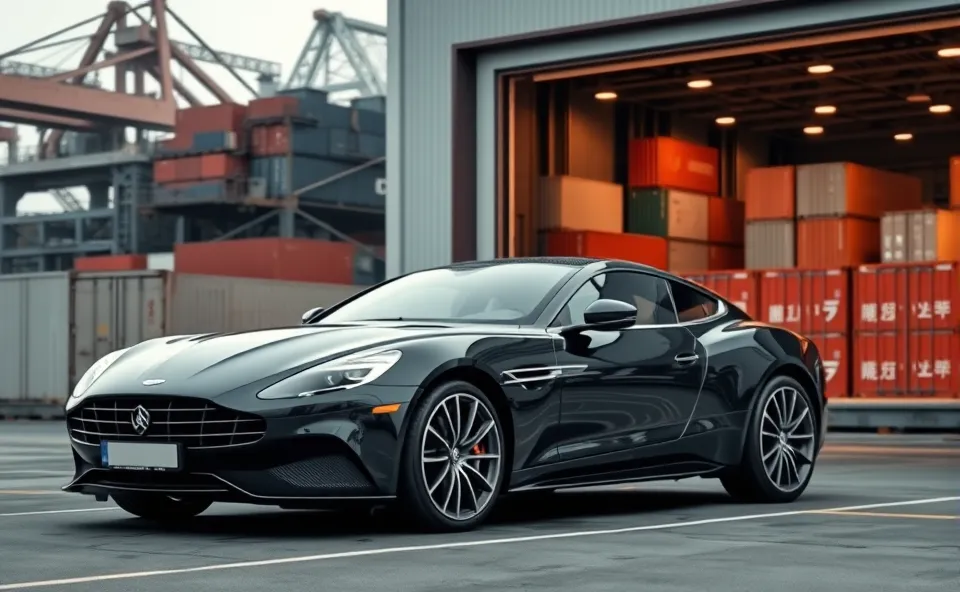
A Surprising Shift in the Car World: European Brands Building in China for the Globe
Imagine this: you’re looking at a sleek, stylish European car, the kind you might picture cruising down a Paris street. But what if that car, destined for your local dealership halfway across the world, actually rolled off the assembly line in China? This isn’t a hypothetical scenario; it’s a growing trend where European automakers are increasingly building their cars in China and then shipping them out globally. It sounds a bit backwards, doesn’t it? We usually think of China as a place importing Western goods. But when you look closer, it makes a lot of sense from a business perspective.
Why Are We Talking About European Cars Made in China Now?
There’s a buzz around this topic, and it’s picking up steam. You’re likely hearing about it because the global automotive supply chain is in constant flux. For years, we’ve seen China rise as a manufacturing powerhouse, not just for electronics but for complex products like cars. Now, with certain sectors experiencing significant manufacturing overcapacity in China, European car companies are seeing a golden opportunity. They’re realizing they can leverage this existing production might to create vehicles more affordably, and then export them. This strategy is causing a stir because it challenges traditional notions of where cars are made and who makes them. People are searching for “European cars made in China” and “China made European cars” because it represents a significant shift in global auto exports and a clever manufacturing strategy.
A Little History: How We Got Here
For a long time, the story of cars was simple: European brands designed and built their cars in Europe. They then exported them to markets around the world. China, meanwhile, was a massive market for these imported vehicles, and also a growing player in its own right, with local brands and joint ventures producing cars for its vast domestic demand. However, the landscape began to change as Chinese manufacturing capabilities grew exponentially. Automakers, both Western and European, started setting up production facilities in China, often through partnerships, to serve the huge Chinese market more efficiently. This allowed them to bypass import tariffs, reduce shipping costs within China, and tap into a skilled, large workforce.
What has happened more recently is an amplification of this trend, driven by specific economic conditions. China has invested heavily in its manufacturing infrastructure, leading to what’s often described as Chinese manufacturing overcapacity in certain industries, including automotive. This means there’s more factory space and production capability than is currently needed just for the domestic market. At the same time, the demand for cars in some other parts of the world, especially for certain segments, might not be keeping pace with production capacity. This creates an interesting dynamic: idle or underutilized factories in China are available, and European automakers are smart enough to see the potential to use them for more than just the Chinese market.
What Does This Mean for the World of Cars?
This shift has some pretty significant ripple effects across the automotive industry. For consumers, the most obvious benefit of European cars made in China and then exported globally is the potential for lower-cost vehicles. When production happens in a location with manufacturing overcapacity and potentially lower operating costs, these savings can be passed on to the buyer. This could make premium European car brands more accessible to a wider range of customers in various markets. It’s a way to democratize access to certain automotive technologies and designs.
For the businesses involved, it’s a bold move in manufacturing strategy. It means diversifying production locations and optimizing the automotive supply chain. Instead of solely relying on expensive European factories, they can tap into global production hubs. This can lead to greater resilience in the face of regional disruptions and potentially faster market entry in different territories. It also puts pressure on traditional manufacturing regions to remain competitive. For China, it signifies its growing importance not just as a market, but as a global manufacturing base for high-value goods. This boosts its role in global auto exports.
The impact on automotive industry trends is profound. It blurs the lines of origin for cars. A “German car” or “Italian car” might increasingly have significant components or even full assembly done in China. This challenges brand perception and requires careful marketing. It also forces a re-evaluation of logistics and trade routes, as we see more finished vehicles traveling from China to Europe, North America, and other continents. This is a clear example of how cost advantage can reshape international trade patterns.
Looking Ahead: What’s Next for China-Made European Cars?
The trend of European automakers using Chinese manufacturing for global exports is likely to continue and potentially grow. As Chinese manufacturing overcapacity persists and brands seek to offer more competitive pricing, these production arrangements will become more attractive. We might see more European brands actively establishing or expanding production lines in China specifically for export markets. This could lead to new models being designed with global appeal and manufactured efficiently in China.
We could also see increased collaboration and investment in China’s advanced manufacturing capabilities. As China continues to innovate in electric vehicle technology and smart manufacturing, European companies might find it beneficial to be closer to these developments. This could lead to faster adoption of new technologies in vehicles exported globally. The key will be maintaining brand quality and consumer trust, ensuring that a “Made in China” label on a European car doesn’t imply a compromise on the quality and prestige associated with these brands.
Furthermore, the geopolitical and trade landscape will play a crucial role. Changes in tariffs, trade agreements, and international relations could either accelerate or slow down this trend. However, the underlying economic logic of leveraging manufacturing strengths wherever they exist is a powerful driver in the global automotive industry trends.
Your Questions Answered About European Cars Made in China
What are the main reasons European automakers are building cars in China for export?
European automakers are leveraging Chinese manufacturing overcapacity to produce lower-cost vehicles. This allows them to gain a cost advantage and optimize their automotive supply chain, making it more efficient to export these cars globally and compete in various markets.
How does Chinese manufacturing overcapacity benefit European car exports?
Chinese manufacturing overcapacity means there are more factories and production capabilities available than needed for the domestic market. European automakers can utilize these underused resources to build cars at a potentially lower cost, which then helps them in their automotive exports from China.
Will I see more European cars made in China on the roads in Europe or North America?
Yes, it is becoming increasingly common. As European car manufacturers refine their manufacturing strategy, they are using China as a production hub not just for its domestic market but also for global auto exports, meaning more “China made European cars” are finding their way to Western markets.
Does building European cars in China affect their quality?
Reputable European automakers maintain stringent quality control standards regardless of where their cars are produced. The goal of using Chinese manufacturing is to achieve a cost advantage while upholding the established quality and engineering expected from these brands. It’s part of their evolving manufacturing strategy.
What impact does this trend have on the overall automotive supply chain and global auto exports?
This trend significantly reshapes the global automotive supply chain. It diversifies production locations, influences trade routes for automotive exports China, and can lead to more competitive pricing for consumers worldwide, impacting European auto imports and exports alike.











