

A Clear Message to Those Trying to Dodge the Rules
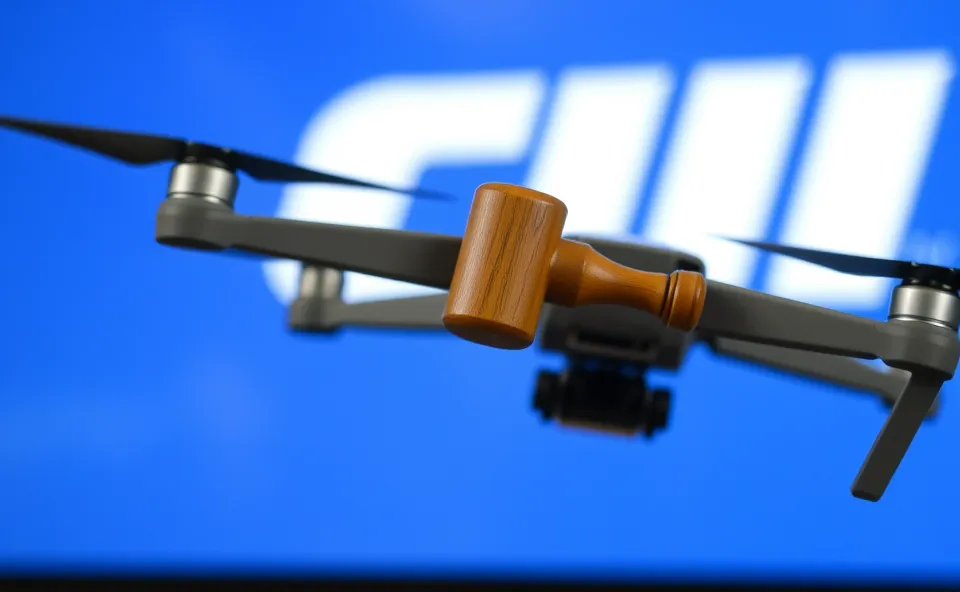
The regulatory landscape for drone technology is shifting rapidly, and the FCC is making it clear that they are paying close attention to who is actually behind the hardware. In a recent move that has sent ripples through the industry, the FCC has leveled heavy fines against a network of companies for trying to get around the foreign drone ban. These entities, including names like Xtra, Skyrover, Cogito Tech, and Fixaxo Technology, are accused of setting up front companies to bring restricted drones into the country.
The core of the issue is that these businesses allegedly tried to bypass government restrictions by hiding the true origin of their products. It is a classic shell game. By masking the involvement of banned manufacturers, these entities hoped to keep selling gear that the government has flagged as a security risk. The FCC is not just looking the other way anymore. They have issued significant fines and set a firm deadline for these companies to respond. If these businesses want to continue operating in the space, they have to address these allegations head on before the clock runs out.
Why Everyone Is Talking About Drone Compliance Right Now
You might be wondering why this story has suddenly taken over tech circles. The timing is no accident. As drone technology becomes more integrated into our daily lives, from professional photography to infrastructure inspections, the demand for reliable, secure hardware has hit an all time high. When a major regulatory body like the FCC cracks down on DJI front companies, it changes the entire market dynamic overnight.
Experts like Konrad Iturbe have been highlighting how these attempts to circumvent the foreign drone ban create a massive headache for legitimate businesses. Users are currently scrambling to figure out if their gear is compliant or if they might be left with expensive paperweights. The surge in search interest comes from a mix of genuine professional concern and a broader curiosity about how much power regulators actually have over the global tech supply chain. Everyone wants to know if their favorite brand is still safe to fly or if they are inadvertently supporting a company that is currently under the microscope.
How We Got Here
To understand the current situation, we have to look back at why the foreign drone ban exists in the first place. Over the last few years, the government has become increasingly concerned about data security. The fear is that drones from certain manufacturers could potentially send sensitive information back to foreign servers or create vulnerabilities in domestic infrastructure.
This led to a series of policies aimed at limiting the influence of specific companies in the U.S. market. The strategy was simple on paper: restrict the sale and operation of drones that do not meet strict security standards. However, as often happens in the tech world, the market found ways to test the boundaries. Some distributors realized that if they rebranded equipment or used intermediary companies, they could potentially bypass the scrutiny. The FCC fines are essentially the result of the government saying that they have finally connected the dots between these smaller, lesser known distributors and the restricted manufacturers they were trying to hide.
What This Means for the Future of Flying
The impact of this enforcement goes far beyond just a few companies losing money. It sends a message to the entire industry that the era of anonymous supply chains is coming to an end. For the average drone pilot, this means that transparency is about to become a standard requirement.
If you are a business that relies on drones for inspections, real estate, or agriculture, you now have to be much more careful about where you source your equipment. Relying on a third party distributor no longer protects you from regulatory fallout. We are likely looking at a future where manufacturers will need to provide much more documentation regarding their supply chain and their ownership structure. It is a shift toward a more verified, secure ecosystem. While this might increase costs or limit the number of available models in the short term, it is clearly intended to build a more trustworthy market for the long haul.
Looking Ahead at the Regulatory Horizon
So, what happens next? The companies involved have a clear deadline to respond to the FCC. If they fail to provide a satisfactory explanation or fail to comply with the requests for information, we can expect the government to tighten the screws even further. It is very likely that we will see more audits of drone distributors and perhaps even stricter import controls at the border.
For the consumer, the best advice is to stay informed. The drone market is consolidating, and companies that prioritize transparency and security will have a massive advantage over those that do not. We are not just talking about software updates anymore; we are talking about the hardware itself and the infrastructure that supports it. Expect to see more labels and certifications on consumer electronics as the industry matures. It is a maturing phase for the entire drone sector, moving away from a Wild West environment toward a more predictable and regulated professional space.
Common Questions About Drone Regulations
What are the recent FCC fines regarding the foreign drone ban?
The FCC has taken action by issuing fines to various entities that attempted to circumvent the foreign drone ban. These companies, such as Xtra and Skyrover, are accused of using front companies to sell restricted drone technology in the United States while hiding the true origin of the equipment.
How are DJI front companies identified by the FCC?
The FCC uses a combination of supply chain investigations, import records, and corporate ownership analysis to trace products back to their real manufacturers. When they find that a company is acting as a proxy to bypass regulatory action, they take legal steps to penalize that specific entity.
What does the foreign drone ban mean for everyday pilots?
The ban is designed to improve data security. For everyday pilots, it means that some drone models are no longer considered compliant for official or professional use. It is important to verify that any hardware you purchase meets current government standards to avoid potential operational issues.
Why is drone technology under such intense regulatory scrutiny?
Because drones capture high resolution data and video, they have the potential to collect sensitive information. Regulators are concerned about where that data ends up and who has access to it. As drone technology improves, the potential risk to infrastructure and privacy also grows, necessitating stricter oversight.
What should businesses do if they use drones for their daily operations?
Businesses should prioritize transparency. Work with authorized dealers that have verifiable supply chains. If you are unsure about the status of your current fleet, it is a good idea to check official government resources or consult with experts who monitor regulatory updates regarding FCC drone policies.











