

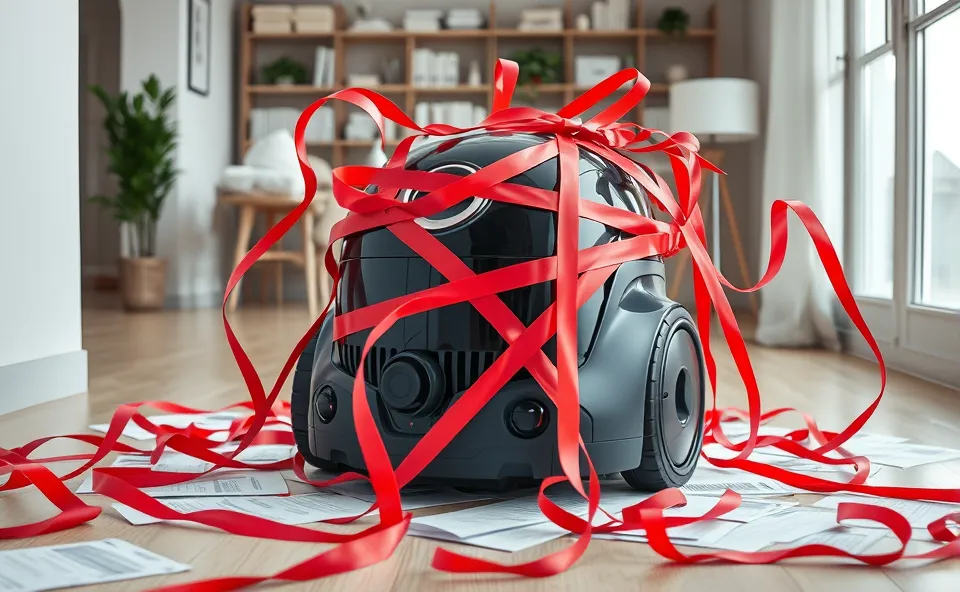
The FCC Just Dropped a New Rule That Could Change Your Robot Vacuums
So, you know those cool little robot vacuums that zoom around your floors, keeping things tidy while you relax? Or maybe you’ve got a robotic pool cleaner making waves, or a robotic lawn mower keeping your grass in check? Well, the Federal Communications Commission FCC, the folks who manage radio frequencies in the US, just announced a new rule that’s going to affect a whole bunch of these smart, automated gadgets, especially those made overseas. It’s a pretty big deal for consumer tech, and it’s got people talking, especially about the FCC robot vacuum rule.
Why the Buzz About Robot Vacuums Now?
You’re probably seeing more chatter about this because the FCC’s decision is now official, and its effects are starting to become clearer. The rule is designed to address concerns about radio frequency emissions from certain electronic devices. When it comes to smart home devices and other mobile robots, particularly those that connect wirelessly, it’s crucial that they don’t interfere with other vital communication systems. Think of it like traffic management for radio waves. If too many devices are shouting on the same frequencies, or not doing so in a controlled way, it can cause problems. This new FCC robot vacuum rule highlights that need for oversight, and that’s why it’s hitting the headlines.
A Look Back: Why This Regulation Was Needed
To understand why this FCC robot vacuum rule is important, it helps to know a little about how these devices work and what the FCC’s job is. Most modern smart gadgets, including your robot vacuum, pool cleaner, and lawn mower, rely on wireless communication to function. They use Wi-Fi or Bluetooth to connect to your home network, receive commands from your phone, or even talk to each other. These wireless signals operate on specific radio frequencies.
The FCC has been regulating radio frequency use for decades to prevent interference. When devices are manufactured, they need to be certified to ensure they meet certain standards and won’t disrupt licensed radio services, like emergency communications or air traffic control. For a long time, the certification process for many consumer electronics, especially those imported from other countries, relied on testing that wasn’t always as rigorous as it could be. There were concerns that some foreign-made electronics, including certain mobile robots, might not have been thoroughly checked for their radio frequency output, potentially posing a risk of interference.
This new rule tightens up the certification requirements, particularly for devices that operate in specific radio frequency bands that are critical for various services. It’s a move to ensure that all devices, regardless of where they are made, meet the highest standards for electromagnetic compatibility. This background helps explain why the FCC is stepping in to implement robot vacuum restrictions and similar regulations for other automated devices.
What This Means for Your Robotic Gadgets
So, what’s the actual impact of this FCC robot vacuum rule and its broader implications for your smart home robots? Let’s break it down:
For Your Existing Devices
If you already own a robot vacuum, robotic pool cleaner, or robotic lawn mower, the good news is that the rule generally doesn’t require you to do anything. These devices, if they were legally sold in the US before, have already passed some level of FCC compliance. The new rule primarily affects new devices entering the market and how they are certified going forward. Your current gadgets should continue to work as they always have. However, if you experience unusual wireless connectivity issues with older devices, it’s worth considering if interference could be a factor, though this is less likely to be a direct result of the new rule itself.
For Future Purchases
This is where you’ll see the most significant changes. For new mobile robots, including robot vacuums, pool cleaners, and lawn mowers, manufacturers will need to meet more stringent testing and certification requirements before they can be sold in the US. This means:
- Potentially Higher Prices: The increased cost and complexity of testing and certification for foreign-made electronics might be passed on to consumers.
- Limited Availability of Certain Models: Some manufacturers might find it too costly or difficult to get their products certified under the new rules. This could lead to fewer options available in the market, particularly for less established brands or those relying on older designs.
- Enhanced Reliability: On the flip side, this stricter oversight aims to ensure that the devices you buy are more reliable and less likely to cause radio interference. This is good news for the overall stability of the wireless spectrum we all rely on.
- Focus on US Market Standards: Companies that want to sell in the US will have to adapt their designs and manufacturing processes to meet these higher standards, which could encourage innovation in compliance.
Essentially, the FCC robot vacuum rule and related regulations are about ensuring that the growing number of smart, connected devices we invite into our homes are safe and responsible users of our wireless environment. This applies to all sorts of mobile robots, from the smallest floor cleaners to the larger outdoor mowers.
What Comes Next? A Look Ahead
The implementation of these new FCC robot vacuum restrictions and broader device regulations will likely be a gradual process. We can expect to see manufacturers actively working to get their new products certified under the updated guidelines. This might lead to a period where some older models are phased out and new, compliant models begin to appear.
There could also be a greater emphasis on domestic manufacturing or closer partnerships with US-based testing facilities. As consumers, we might also become more aware of product certifications when making purchasing decisions for our smart home devices. Over time, this should lead to a more robust and secure ecosystem of connected devices, with fewer concerns about unintended wireless interference. The goal is to allow for continued innovation in consumer tech while safeguarding essential communication services.
Got Questions About the FCC Robot Vacuum Rule?
What exactly does the FCC robot vacuum rule cover?
The FCC robot vacuum rule, and the broader regulations it’s part of, focus on the radio frequency emissions from electronic devices. It tightens the certification process to ensure that devices, especially foreign-made mobile robots like robot vacuums, don’t interfere with other radio communications systems.
Will my current robot vacuum be affected by the new FCC rules?
For the most part, no. If your robot vacuum was legally sold in the US before, it has already met existing compliance standards. The new FCC robot vacuum restrictions primarily apply to new devices seeking market entry and their certification processes moving forward.
Could the FCC robot vacuum rule lead to fewer choices for consumers?
It’s possible. Stricter testing and certification requirements, particularly for foreign-made electronics, might increase costs or create hurdles for some manufacturers. This could mean fewer models or brands available, especially for less common or budget-oriented options.
What are the benefits of these new device regulations for robot vacuums and other smart home devices?
The main benefit is enhanced reliability and reduced risk of radio interference. By ensuring that all mobile robots and smart home devices meet higher standards, the FCC aims to protect critical communication services and create a more stable wireless environment for everyone.
Where can I find information about whether a robot vacuum meets FCC standards?
Reputable manufacturers will typically list their product’s compliance with FCC standards on their packaging or in the product manual. You can often find FCC ID numbers on the device itself, which can be used to look up its certification details on the FCC’s website, though this is more technical information.











