

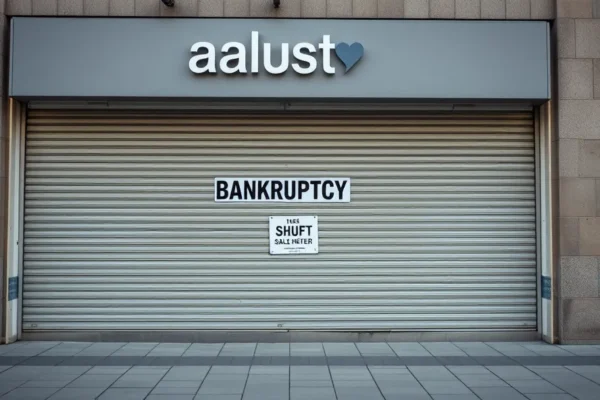
The Reality Behind the Recent Firearms Retailer Bankruptcy
In recent months, the retail firearms sector has faced significant turbulence, culminating in a major firearms retailer bankruptcy filing. The company, citing unsustainable debt loads and shifting consumer demand, initiated a Chapter 11 filing to restructure its operations. This legal maneuver, which allows a business to reorganize its debts while continuing to operate, was triggered by a prolonged slump in discretionary spending and an inventory glut that began in late 2023. According to the company’s official filing with the U.S. Bankruptcy Court, the decision was a last-resort effort to prevent a total liquidation of assets and to preserve the brand’s remaining value.
Strategic Rationale for Reorganization
Why would a major player in the firearms market seek protection under Chapter 11 now? The primary driver is a classic retail trap: excessive inventory paired with declining consumer interest. During the height of the global pandemic, gun sales reached historic peaks as supply chains struggled to keep up with unprecedented demand. Retailers expanded their footprints and stocked up heavily to meet that surge. When the market cooled, these retailers found themselves with warehouses full of high-cost inventory that they could no longer move at premium prices.
By filing for bankruptcy, the firm aims to shed burdensome leases and renegotiate debt terms with creditors. Strategically, this is an attempt to reset the balance sheet—a report showing the company’s assets, liabilities, and equity—to a level that reflects the reality of current market analysis. The company stated that it intends to pivot toward a leaner model, focusing on higher-margin specialty items rather than the high-volume commodity goods that have defined its recent past.
Competitive Positioning and Market Pressures
This firearms retailer bankruptcy does not occur in a vacuum. It highlights a widening gap between agile, smaller operators and massive retailers burdened by legacy costs. While the company in question struggled with its physical footprint, many niche competitors have successfully migrated to “omnichannel” models, combining a light physical presence with robust e-commerce operations.
The company’s competitors are likely to view this event as an opportunity to capture market share. Large online-focused retailers are currently leveraging their lower overhead costs to offer more aggressive pricing, which puts further pressure on traditional “brick-and-mortar” stores. The company undergoing bankruptcy is now disadvantaged, as the public nature of its financial distress often leads suppliers to tighten credit terms, making it harder to stock popular products just when the firm needs to rebuild consumer trust.
Broader Implications for the Retail Industry
This development serves as a canary in the coal mine for the retail industry trends observed across the outdoor and sporting goods sector. Many retailers are currently dealing with the “hangover” of pandemic-era growth. As consumer spending shifts away from durable goods and back toward services and experiences, companies that over-invested in physical capacity are finding themselves vulnerable to even minor economic downturns.
Industry peers are likely to respond by accelerating their own store closures and focusing heavily on digital infrastructure. This shift away from traditional retail represents a fundamental change in how Americans purchase firearms and accessories. The sector is moving toward a more consolidated landscape where only those with strong supply chain integration and digital reach can survive the cyclical nature of demand.
Financial and Operational Impacts
From a financial standpoint, a Chapter 11 filing is designed to provide breathing room. In the short term, the company will likely focus on asset liquidation—the process of selling off excess inventory to generate cash—to fund its immediate operating costs. However, the long-term impact on profitability is uncertain. While shedding debt helps on paper, the operational cost of managing a bankruptcy process is high, often resulting in legal and administrative fees that eat into remaining capital.
Operational restructuring will be the most critical phase. The firm will likely trim its workforce, close underperforming locations, and potentially rebrand its digital platform to attract a different demographic. If these metrics do not improve within 12 to 18 months, the restructuring may transition from a reorganization into a full retail liquidation, resulting in the permanent closure of the business.
Execution Risks and Operational Challenges
The strategy of restructuring carries significant execution risk. A primary challenge is the “brand stigma” associated with bankruptcy; customers often shy away from retailers when they fear gift cards will become worthless or warranty services will disappear. Furthermore, the firearms market is notoriously sensitive to political and regulatory shifts, which can influence demand overnight.
Historically, retail turnarounds are difficult. Many companies that enter bankruptcy find that their core customer base has already moved to competitors who appear more stable. If the company cannot convince its core audience that it is still a reliable source for products and services, even the most sound financial restructuring plan will fail to generate the necessary sales volume to sustain operations.
Stakeholder Implications
The fallout from this bankruptcy extends to several groups. Employees may face layoffs or reduced benefits as the company streamlines operations. Partners and suppliers are often the most impacted, as they may be forced to write off unpaid invoices, potentially threatening the stability of their own businesses. For investors, this scenario typically results in significant loss, as common equity holders are generally last in line to receive funds during a bankruptcy settlement.
For customers, the impact is primarily on service levels and loyalty rewards. The shift in corporate strategy likely means a reduction in physical store services, such as on-site gunsmithing or localized event hosting, as the firm pivots toward cost-cutting measures. This cultural shift from a community-focused retailer to a lean, efficiency-driven operation can lead to a loss of the brand identity that originally attracted customers.
Outlook and Expected Next Steps
If the reorganization strategy is successful, the company will emerge as a smaller, more specialized entity. Key milestones to watch over the next year include the successful renegotiation of primary debt covenants, the closure of unprofitable locations, and the stabilization of vendor relationships. Success will be measured by a return to positive cash flow and a decrease in debt-to-equity ratios.
Failure, conversely, will be marked by continued store closures and an inability to secure inventory from major manufacturers. Observers should monitor the company’s public filings for evidence of sustained sales growth rather than just the temporary, one-time cash gains associated with liquidation sales. A return to profitability is not guaranteed and remains highly dependent on both management execution and the broader health of the economy.
Strategic Questions and Answers
- Is this firearms retailer bankruptcy representative of the entire industry?
While it reflects broader pressures on physical retail and inventory management, it is also a result of specific company-level decisions to over-expand during the pandemic. Not every firearms retailer is in distress, but most are adjusting their strategies to prioritize digital sales over physical footprints.
- Why didn’t the company use a loan instead of Chapter 11?
When a company reaches a point where it can no longer service its existing debt, lenders are often unwilling to provide additional capital without a formal restructuring. A Chapter 11 filing allows the firm to force a compromise with existing creditors, which is a necessary step when voluntary negotiations fail.
- How do retail industry trends like e-commerce play into this?
E-commerce has commoditized many firearms accessories. Retailers that rely on high-margin, in-store experiences are losing customers to online platforms that offer lower prices and greater convenience. The bankrupt retailer likely struggled to compete with this price transparency.
- What are the main risks to a successful reorganization?
The biggest risks are the loss of consumer trust and the potential for a “death spiral” where suppliers refuse to ship inventory because they lack confidence in the retailer’s ability to pay, leading to empty shelves and further declining sales.
- How long until we see if this works?
A typical Chapter 11 restructuring takes between 6 to 18 months. We should expect to see a clear plan for the company’s future size and focus within the first two quarters of the bankruptcy process.
All business outcomes discussed herein are subject to significant execution risk. Market conditions, regulatory changes, and management’s ability to navigate the complexities of a Chapter 11 process may result in performance that differs materially from the expectations outlined in this analysis. This summary is intended for informational purposes and does not constitute financial or investment advice.











