

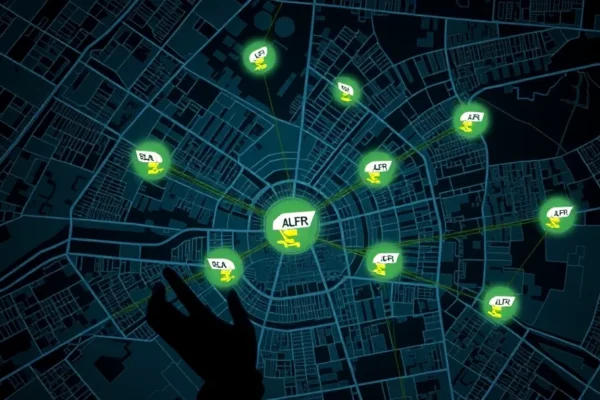
Imagine a system that can scan every car passing by, taking pictures, reading license plates, and instantly checking them against databases. This is the promise of AI powered automatic license plate readers, or ALPR cameras, and one company, Flock, is finding itself at the center of a major debate. What’s going on with Flock’s ALPR cameras and why is everyone suddenly talking about them?
The Big Picture: What Are We Talking About?
Essentially, Flock sells ALPR cameras that many police departments and even some private communities are installing. These cameras are smart. They use artificial intelligence to capture images of vehicles, read the license plate numbers, and then compare that information against various watchlists. Think of it like a super fast, super observant security guard for your streets. The idea is to help find stolen cars, track down suspects, or even just manage traffic flow. However, this powerful technology has sparked a huge discussion, with people raising serious concerns about privacy and how this data is used.
Why the Buzz Now?
The conversation around Flock and its ALPR cameras has really heated up lately for a few key reasons. Firstly, more and more communities are deploying these cameras, meaning more people are directly encountering them or hearing about their use. Secondly, there’s a growing awareness and concern about AI surveillance in general. As AI gets more sophisticated, people are understandably getting more worried about who is watching and what information is being collected about them. This heightened awareness, coupled with some specific incidents and reports about how the data is being handled, has brought the Flock ALPR issue to the forefront.
It’s not just about individual communities anymore; it’s becoming a bigger conversation about digital privacy and civil liberties in an increasingly connected world. People are asking tough questions about the balance between public safety and individual freedom. This widespread discussion, amplified by advocates for digital privacy and concerned citizens, is what’s driving the current surge in interest surrounding Flock’s technology.
A Little Background to Understand the Fuss
Automatic license plate readers aren’t exactly new. They’ve been around for a while, primarily used by law enforcement. However, the AI capabilities that Flock brings to the table represent a significant upgrade. Older systems might have just read plates, but modern AI allows for much more sophisticated analysis and data management. Flock’s system often includes features like storing vehicle data, creating a historical record of movements, and allowing for quicker searches across vast amounts of information.
This background is important because it shows a rapid evolution in surveillance technology. What was once a niche law enforcement tool is becoming more widespread and more powerful. Companies like Flock are at the cutting edge of this, offering integrated solutions that combine hardware, software, and AI. This evolution has caught many by surprise, leading to the current wave of scrutiny and public reaction. It’s a classic case of technology advancing quickly, and society trying to catch up with the implications.
What This Means for All of Us
The implications of widespread ALPR use, especially with advanced AI like Flock’s, are far reaching. For individuals, it means your car’s movements could be logged and stored, potentially creating a detailed timeline of where you’ve been. This raises significant digital privacy concerns. Imagine your daily commute, your visits to friends, or your trips to the doctor being part of a searchable database. This information, if accessed improperly or used for unintended purposes, could have serious consequences.
For law enforcement, these cameras offer powerful tools for investigations. They can help solve crimes faster and locate missing persons. However, the debate centers on whether the benefits of enhanced police technology outweigh the potential for misuse or overreach. There’s also a growing resistance from tech giants and advocacy groups who are raising alarms about the scope of data collection and the potential for a surveillance state. This pushback from various sectors highlights the complex trade offs involved in adopting such pervasive AI surveillance technologies.
The market itself is also affected. Companies developing and deploying ALPR technology are under more pressure to be transparent about their practices and to address public concerns. This could lead to stricter regulations or a demand for more privacy preserving solutions in the future. The entire tech landscape is being forced to consider the ethical dimensions of AI surveillance more deeply.
Where Do We Go From Here?
Looking ahead, the controversy around Flock’s ALPR cameras is unlikely to disappear anytime soon. We’re probably going to see more communities re-evaluating their decisions to adopt this technology, with some potentially opting out. There will likely be increased calls for clearer regulations and stronger oversight over how ALPR data is collected, stored, and accessed by law enforcement and other entities. Transparency will be key; communities and individuals will want to know exactly how these cameras work and what data is being gathered.
We might also see a push for alternative or more privacy friendly solutions. Technology companies may be incentivized to develop ALPR systems with built in privacy protections or to focus on less intrusive methods of public safety. Ultimately, the future will likely involve a more robust public dialogue about the acceptable boundaries of AI surveillance and the role it plays in our society. It’s a developing situation, and the choices made now will shape our digital future.
Got Questions About Flock ALPR Cameras?
What is Flock ALPR technology?
Flock ALPR technology refers to automatic license plate reader cameras powered by artificial intelligence. These cameras capture images of vehicles, read their license plates, and can check this information against databases for various purposes, such as crime solving or locating stolen vehicles.
How does Flock’s ALPR system differ from older license plate readers?
Flock’s ALPR systems leverage advanced AI, allowing for more sophisticated data processing, storage, and analysis. This often includes features like historical vehicle movement tracking and faster querying capabilities compared to older, less intelligent license plate readers.
What are the main privacy concerns with Flock ALPR cameras?
The primary privacy concerns revolve around the extensive data collection. These ALPR cameras can create detailed records of a vehicle’s movements, raising worries about potential misuse of this data, lack of transparency, and the creation of pervasive AI surveillance networks that could impact digital privacy and civil liberties.
Why are some tech giants and communities resisting Flock ALPR surveillance?
Resistance stems from concerns about privacy, civil liberties, and the potential for unchecked AI surveillance. Some tech giants and community groups are pushing back due to the broad data collection capabilities and the ethical implications of widespread license plate readers being used in public spaces.
What is the impact of ALPR technology like Flock’s on public safety and digital privacy?
The impact is a balancing act. ALPR technology can enhance public safety by aiding law enforcement in solving crimes and finding suspects. However, it also poses a significant challenge to digital privacy by enabling widespread tracking and data collection, leading to a growing debate about the appropriate use of police technology.











