

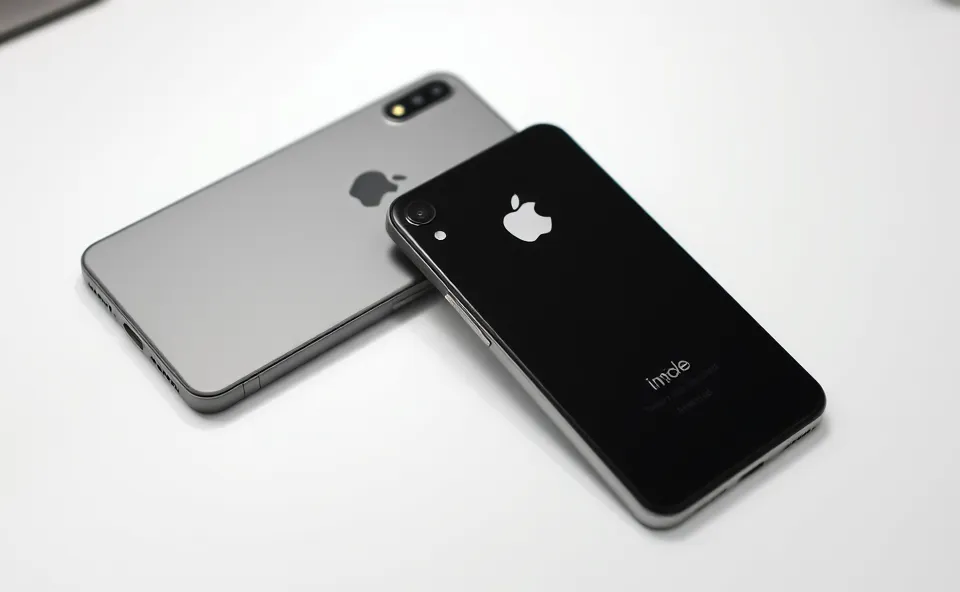
The Foldable Phone Puzzle: Why Now is Apple’s Moment
We’ve seen a lot of buzz around foldable phones lately, right? These devices that can fold in half, turning a regular smartphone into a mini tablet, have been making waves. But here’s an interesting thought: what if the current state of foldable phone innovation is actually the perfect opportunity for Apple to step in and truly make this category shine?
What’s Cooking in the Foldable World
Basically, what’s happening is that foldable phones have moved beyond being just a novelty. Early on, they were clunky, expensive, and sometimes felt a bit like a proof of concept. Now, companies like Samsung have refined their Galaxy Fold and other foldable models significantly. We’re seeing better hinge designs, more durable screens, and software that actually makes use of that larger, unfolding display. They’re more reliable and more functional than ever before. It feels like the kinks are being worked out, and the technology is maturing.
Why All the Fuss, Anyway?
The reason this is a hot topic right now is because the foldable phone market feels like it’s at a crossroads. For years, it was a niche, almost experimental space. But with the latest generations of devices, they’re becoming more mainstream. This increasing maturity means more people are curious. They see the potential for a device that’s both pocketable and offers a tablet-like experience. The search interest spikes because consumers are starting to ask, “Is this finally the future of smartphones?” And with that growing consumer interest, the question naturally turns to, “Where does Apple fit into this picture?”
A Little Trip Down Memory Lane
To understand why Apple might be poised for a win here, we need to remember their history. Apple isn’t usually the first to jump into a new tech category. Think about tablets or even smartwatches. They often wait, observe, and then enter when they believe they can perfect the experience. They didn’t invent the smartphone, but the iPhone redefined it. They didn’t invent the tablet, but the iPad set the standard. Their strategy has always been about refinement, integration, and creating a seamless user experience, especially within their iOS ecosystem. They let others pioneer, iron out the flaws, and then come in with a polished product that often becomes the benchmark. This approach allows them to learn from the mistakes and successes of early adopters.
What This Means for All of Us
So, what’s the big deal if Apple jumps into the foldable phone market now? For consumers, it could mean a much more polished and user-friendly foldable experience. Apple is known for its intuitive software and hardware integration. Imagine an iOS device that folds – the way apps adapt to different screen sizes, the multitasking capabilities, the overall user interface. It could be a game-changer that makes foldable phones truly practical for everyday use, not just a cool gadget. For the tech market, it would legitimize the foldable category even further. Apple’s entry would likely drive significant investment and innovation from competitors, pushing the boundaries of flexible display technology and mobile device design even faster. It could also intensify the long-standing iOS vs. Android rivalry, with foldable phones becoming a new battleground.
Think about the implications:
- User Experience: Apple could bring its signature simplicity and power to the foldable form factor, making it accessible to a wider audience.
- Software Innovation: Expect optimized apps and new multitasking features that truly leverage the folding screen.
- Market Growth: Apple’s endorsement could turn foldables from a niche product into a mainstream segment of the smartphone market.
- Design Refinement: Competitors might be pushed to create even more durable, sleek, and functional foldable designs to keep up.
The Next Chapter in the Foldable Story
Given the current trajectory, it seems highly likely that Apple will eventually enter the foldable phone market. The timing appears strategic. The technology is mature enough that the core challenges are understood. The competition has paved the way, showing what works and what doesn’t. Apple can now focus on perfecting the user experience, the build quality, and integrating it seamlessly into the Apple ecosystem. We might see a device that doesn’t just fold, but fundamentally changes how we interact with our mobile devices, bringing together the portability of a phone with the utility of a small tablet in a way that feels natural and intuitive. It’s not about being first, it’s about being the best when the time is right. The plateauing of innovation elsewhere creates a space where Apple can truly refine and redefine the foldable phone category.
Your Foldable Phone Questions Answered
What is the current state of foldable phone innovation?
Foldable phone innovation has matured significantly. Devices like the Samsung Galaxy Fold are now more durable, have improved hinge mechanisms, and better software support for their flexible displays. They are moving from being experimental to more practical consumer tech.
Why is Apple’s entry into the foldable phone market significant now?
The timing is crucial because the foldable phone market is reaching a point of refinement. Apple typically enters a category when it’s ready for a polished, user-centric experience. With competitors having worked out many of the early kinks, Apple has an opportunity to perfect the foldable form factor and set a new standard.
How might Apple approach foldable phones differently from current offerings?
Apple is known for its strong integration of hardware and software. We can expect a highly optimized iOS experience tailored for foldable displays, focusing on intuitive multitasking, seamless app transitions, and refined mobile device design. This could set it apart from existing foldable phone market options.
Will foldable phones become the future of smartphones, and how does Apple influence this?
Foldable phones have the potential to become a significant part of the smartphone future, offering versatility. Apple’s entry would lend considerable credibility and likely accelerate consumer adoption, pushing the overall trend forward and further shaping smartphone innovation.
What are the key advantages of foldable phones that Apple could leverage?
Apple could leverage the core advantage of a foldable phone: a larger screen that fits in your pocket. They can enhance this by refining the user interface for both folded and unfolded states, improving durability, and ensuring the flexible display technology is seamlessly integrated into their ecosystem, offering a unique iOS vs. Android experience.











