

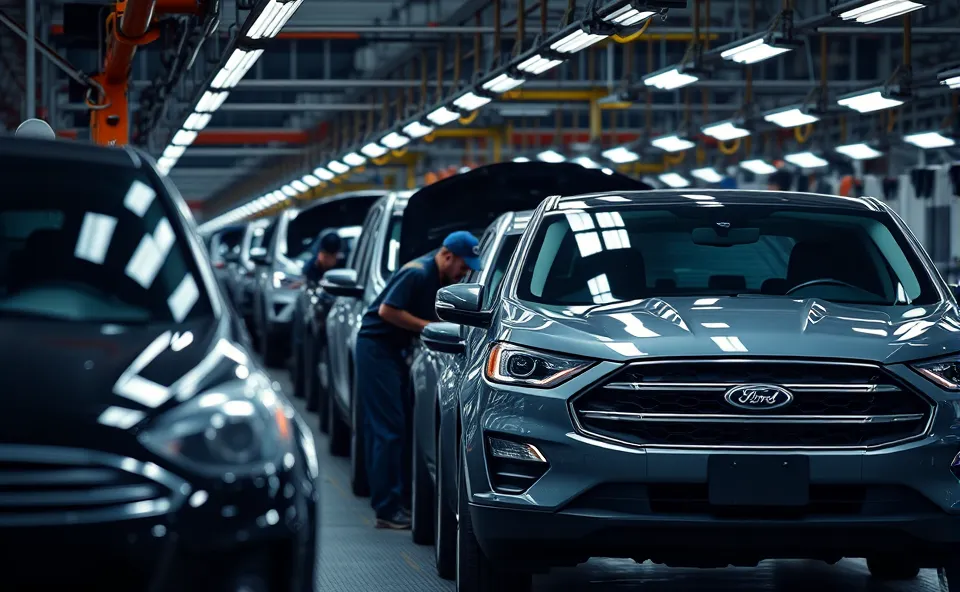
Ford is Getting Its House in Order
So, you’ve probably seen a lot about Ford lately, and maybe you’re wondering what’s up. It feels like the giant automaker has been facing a few big hurdles. Think of it like a really busy workshop where a lot of important projects are happening at once, and some things aren’t running as smoothly as everyone would like. Ford is actively working through some major challenges, aiming to get back on a stronger track. This isn’t about one single bad event, but rather a series of complex issues that the company is tackling head on. They’re trying to fix things that are causing delays, costing more money than planned, and sometimes even impacting the cars you see rolling off the assembly line.
Why All the Buzz About Ford Right Now?
The reason Ford is such a hot topic today is because the company is in the middle of a massive shift. The entire auto manufacturing world is changing rapidly, especially with the big push towards electric vehicles. Everyone is watching to see if Ford, a company with such a long history in traditional cars, can successfully navigate this EV transition. On top of that, there have been reports about production hiccups and higher than expected costs. People are interested because Ford is a massive player, and when a company of its size faces difficulties, it has ripple effects. We’re all curious about its turnaround, how it’s managing its financial challenges, and what its market strategy will look like moving forward. It’s a big story unfolding in real time.
A Look Back: The Road That Led Here
To understand where Ford is going, we need a little background. For decades, Ford has been a cornerstone of the automotive industry. They’ve built iconic vehicles and employed millions. However, the landscape started to change. The rise of new competitors, evolving consumer preferences, and the inevitable march of technology meant that standing still was no longer an option. The automotive industry is inherently cyclical, and it faces constant pressures. Ford, like many legacy automakers, has had to grapple with adapting its immense car production capabilities to new demands. This includes investing billions in new technologies, particularly in the EV space, while still needing to manage its existing, profitable but sometimes complex, gasoline-powered vehicle business. It’s a balancing act that takes time and a lot of careful planning. They’ve also faced global supply chain issues that have impacted nearly every car maker, adding another layer of complexity to their operations.
What This Means for You and the Auto World
The efforts Ford is making have a significant impact. For consumers, it means the cars you might be considering could be affected by production schedules and pricing strategies. When a company focuses on improving operational efficiency, it can eventually lead to better value or more innovative features down the line. For the broader auto industry, Ford’s journey is a case study in the immense challenges of an EV transition. Its successes and struggles provide valuable lessons for other established players and even for new startups trying to break into the market. It highlights the intense competition and the high stakes involved in reimagining car production. When Ford faces financial challenges, it also affects its suppliers, dealerships, and the communities where it operates. Ultimately, seeing a company like Ford navigate these changes helps us understand the future of mobility and the evolving role of established brands in this new era.
The Road Ahead for Ford
Looking forward, Ford’s path is definitely still challenging but also filled with potential. The company is heavily invested in its electric vehicle lineup, aiming to make these models more accessible and appealing to a wider audience. Expect to see continued efforts to streamline production processes, improve operational efficiency, and control costs. This is crucial for addressing its financial challenges and ensuring its long-term viability. Ford is also likely to refine its market strategy, focusing on where it can best compete and differentiate itself, particularly in the EV space. The future of Ford will likely involve a dual approach: continuing to innovate in electric vehicles while also optimizing its traditional truck and SUV businesses. It’s a complex puzzle, but the company seems committed to piecing it together. The success of its turnaround will depend on its ability to execute its plans effectively, adapt to market shifts, and deliver compelling products that resonate with customers. It’s a fascinating period to watch for the automotive industry.
Frequently Asked Questions About Ford’s Journey
What are the main issues Ford is trying to solve?
Ford is working on several key areas. These include smoothing out its EV transition, improving its overall operational efficiency, and managing financial challenges that have arisen from various market pressures and investment needs. The goal is a more stable and profitable Ford.
How is Ford approaching the EV transition?
Ford is investing heavily in developing and producing electric vehicles, from cars to trucks. They are focused on scaling up production, making EVs more competitive in terms of price and performance, and building out charging infrastructure to support their electric lineup.
What does operational efficiency mean for Ford?
For Ford, operational efficiency means finding ways to produce cars and conduct business more effectively and at a lower cost. This involves optimizing manufacturing processes, managing supply chains better, and making sure resources are used wisely to enhance overall productivity and profitability in auto manufacturing.
Are Ford’s financial challenges a cause for major concern?
While any company facing financial challenges requires careful attention, Ford is a large, established entity with a clear strategy to address these issues. They are actively working to improve their financial health and ensure their long-term sustainability within the competitive automotive industry.
What is the future outlook for Ford in the automotive industry?
The future of Ford is tied to its success in the EV transition and its ability to maintain strength in its traditional vehicle segments. The company is focused on innovation, adapting its car production to meet evolving demands, and executing a robust market strategy to navigate the changing automotive landscape.











