

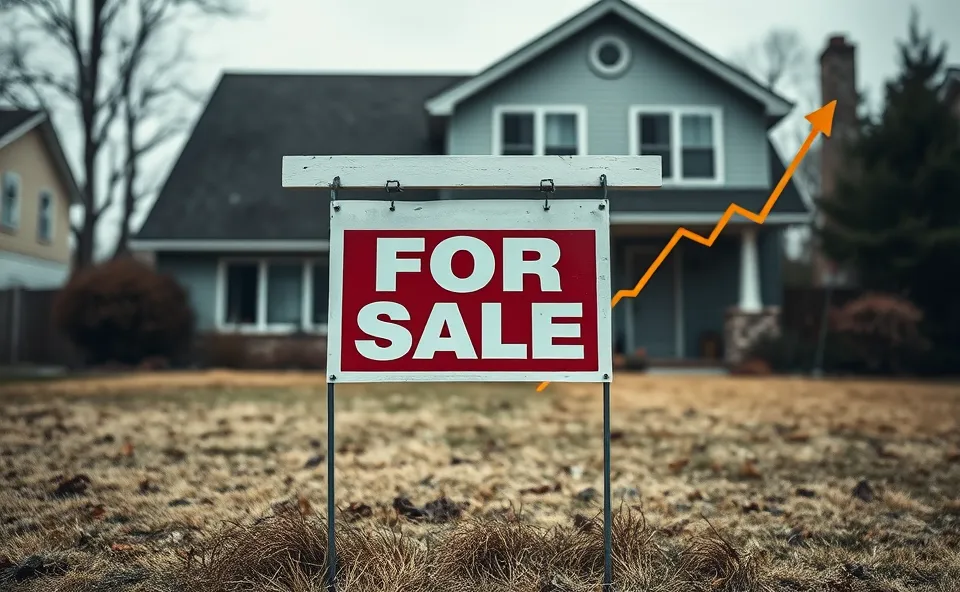
The Rising Tide of Foreclosures: A Closer Look at Homeowner Challenges
There is a noticeable shift happening across the housing market, and it is a tough one for many families. We are seeing a concerning rise in foreclosure filings, which means more homeowners are struggling to keep their homes. It is a complex situation, but at its core, it speaks to the increasing financial pressure many households are feeling right now. This isn’t just about mortgage payments; it’s about the entire cost of owning a home.
Why Homeowners Are Feeling the Economic Squeeze Now
You might be wondering why this trend is picking up speed lately. If you own a home, chances are you already have a good idea. The truth is, the cost of just having a home has skyrocketed. We’re talking specifically about two major expenses that often get overlooked until they hit hard: property taxes and homeowner’s insurance. These costs aren’t fixed; they can jump significantly, sometimes without much warning, pushing monthly housing expenses far beyond what many homeowners initially budgeted for.
Imagine you bought your dream home a few years ago, locking in a manageable mortgage rate. You factored in the property taxes and insurance costs at the time. But over the last year or two, you’ve likely seen those bills climb dramatically. Local property taxes often increase as home values rise, and while rising home values sound good on paper, they translate directly into higher tax bills. Then there’s insurance. Extreme weather events, inflation, and a general increase in risk assessments have sent insurance premiums through the roof in many areas. For some homeowners, these unexpected increases have added hundreds, even thousands, of dollars to their annual housing costs. When you combine that with everyday inflation impacting everything from groceries to gas, it creates an immense economic squeeze. This is why people are searching for answers and insights on foreclosures and homeowner distress – they are living it.
Understanding the Path to Current Housing Market Pressures
To really grasp what is happening today, let’s briefly look back. The housing market over the past few years has been quite a ride. During the initial phase of the pandemic, government programs and forbearance options offered a lifeline to many homeowners facing financial hardship. This kept foreclosure rates historically low for a time. Then, we saw a massive surge in demand for homes, fueled by low interest rates and a desire for more space, leading to rapid home price appreciation.
Many people bought homes, sometimes stretching their budgets, betting on continued appreciation and stable costs. However, as the economy shifted, inflation became a major concern. The Federal Reserve stepped in to cool things down by raising interest rates. While this primarily impacted new buyers or those looking to refinance, it also signaled a broader tightening of economic conditions. Meanwhile, the underlying costs of homeownership – property taxes and insurance – began their relentless climb, largely independently of mortgage rates. This created a new kind of challenge for existing homeowners who might have felt secure with their fixed mortgage payments but were unprepared for soaring operational costs. The safeguards that helped during the pandemic have mostly expired, leaving many homeowners to navigate these rising costs on their own.
The Direct Impact on Homeowners and the Housing Market
The recent surge in foreclosures represents real families facing profound financial hardship. For individual homeowners, the impact is devastating. Losing a home is not just a financial setback; it’s an emotional one, disrupting lives and communities. When the cumulative weight of rising property taxes and insurance costs becomes too heavy, even those who have diligently paid their mortgage can find themselves in an unsustainable situation.
For the broader housing market, this trend introduces a new layer of uncertainty. While we are not seeing a crash reminiscent of past financial crises, an increase in foreclosures can affect housing affordability and inventory. Here is what it means:
- Increased Financial Strain: Homeowners are experiencing significant pressure. Many are forced to cut back on other essentials, delay savings goals, or even consider selling their homes under duress to avoid foreclosure.
- Market Dynamics Shift: A rise in foreclosures can add more inventory to the housing market, potentially cooling rapid price appreciation in some areas. However, it also signifies underlying weakness in homeowner stability.
- Lender Adjustments: Lenders and insurers become more cautious. This could lead to stricter lending standards or higher premiums for new policies, further impacting housing affordability for future buyers.
- Community Impact: Foreclosures can leave homes vacant, potentially affecting neighborhood aesthetics and property values for surrounding homes. It can also reduce local tax revenue in the long run if properties sell for less.
The situation highlights a critical issue: the true cost of homeownership extends far beyond the mortgage payment, and these often-overlooked expenses are becoming a significant driver of homeowner distress.
Looking Ahead: Projecting Future Housing Market Trends
Predicting the future is always tricky, but we can identify some logical trends if current conditions persist. The escalating insurance costs and property taxes are not likely to disappear overnight. Many regions, especially those prone to natural disasters, will continue to see steep increases in insurance premiums. Property taxes will likely continue their upward trajectory in areas with strong home value growth, creating a sustained challenge for homeowners.
We might see a few key developments:
- Continued Pressure on Homeowners: Unless there is significant intervention or a dramatic shift in economic conditions, homeowners will likely continue to feel the pinch. This could mean a sustained, albeit slow, increase in foreclosures as budgets remain stretched.
- Focus on Housing Affordability: The conversation around housing affordability will broaden beyond just purchase prices and interest rates to include the ongoing costs of ownership. Policymakers and local governments may face increasing pressure to address rising property taxes and explore solutions for managing insurance costs.
- Market Segmentation: Certain housing markets, particularly those with the highest property taxes and insurance premiums, may experience more significant adjustments or slower growth compared to areas with more stable costs.
- Innovation in Insurance: The insurance industry might be compelled to innovate, offering more tailored policies or exploring new risk assessment models to make coverage more accessible and affordable for homeowners.
Ultimately, the resilience of the housing market will depend on how effectively homeowners, communities, and industries adapt to these evolving financial realities. The focus needs to be on sustainable homeownership, where the total cost of owning a home remains within reach for the average family.
Common Questions About Foreclosures and Homeowner Costs
What does the recent surge in foreclosures mean for the housing market?
The recent increase in foreclosures indicates growing financial hardship for some homeowners. While it is not signaling a market crash, it suggests that rising costs like property taxes and insurance are making homeownership unsustainable for a segment of the population, potentially adding more homes to the market over time.
How do rising property taxes contribute to homeowner distress?
As home values increase, so do property taxes in many areas. For homeowners on fixed incomes or those who bought at the peak of the market, these escalating tax bills can add significant, unexpected costs to their monthly budget, making it harder to afford their homes and increasing the risk of foreclosures.
Why are insurance costs rising so dramatically for homeowners?
Insurance costs are surging due to several factors, including an increase in severe weather events, higher reconstruction costs because of inflation in materials and labor, and a general reassessment of risk by insurance companies. These higher premiums directly impact the overall cost of homeownership.
Are current homeowners facing an economic squeeze different from past housing downturns?
Yes, in some ways. While past downturns often centered around high interest rates or speculative lending, the current economic squeeze for homeowners is heavily driven by the operational costs of homeownership – specifically property taxes and insurance costs – even for those with stable mortgage rates.
What resources are available for homeowners experiencing financial hardship and worried about foreclosures?
Homeowners facing financial hardship should explore options with their mortgage servicers for loss mitigation, such as loan modifications or forbearance. They can also seek advice from HUD-approved housing counselors who offer free or low-cost guidance on managing housing costs and avoiding foreclosures. Acting early is key.











