Understanding France’s Current Unrest and Economic Crossroads
In recent times, France has experienced significant social and political turbulence, often referred to as the France crisis. This unrest is fueled by a complex mix of economic anxieties, social divisions, and a rising tide of political sentiment. Understanding these forces is crucial because they don’t just make headlines; they can directly impact the economic well-being of individuals and the stability of the broader European economy. For those with savings, investments, or business interests linked to France or the EU, staying informed about the dynamics of French protests and the country’s economic direction is more important than ever.
The Core Idea Why People Care About National Debt
At its heart, understanding the economic pressures France faces requires grasping the concept of national debt. Think of national debt like an individual’s credit card bill, but on a massive scale. It’s the total amount of money a government owes to lenders, which can include its own citizens, businesses, other countries, or international organizations.
Why should you care about a country’s debt? Because a government that owes a lot of money might have to make difficult choices. To pay off its debts, it might raise taxes, cut spending on public services (like healthcare or education), or even struggle to fund new initiatives. This can affect the economy in many ways, from how much disposable income people have to the overall stability of financial markets. For individuals, this can translate into higher taxes, fewer services, or potentially slower economic growth, impacting everything from job security to the value of investments.
How Government Finances Work and Lead to Unrest
Governments fund their operations and public services through taxes collected from citizens and businesses. When spending consistently exceeds tax revenue, a government must borrow money to cover the difference. This borrowing adds to the national debt. Over time, if this debt grows too large, lenders may become worried about the government’s ability to repay. This can lead to higher interest rates on new loans, meaning the government has to spend more just to service its debt.
Imagine a household that spends more than it earns year after year, constantly borrowing more on its credit card. Eventually, the interest payments become a large chunk of its monthly budget, leaving less money for groceries, utilities, or saving for emergencies. Similarly, a government struggling with high national debt might implement austerity measures. Austerity means cutting government spending, often on social programs or public sector jobs, to reduce the deficit and debt.
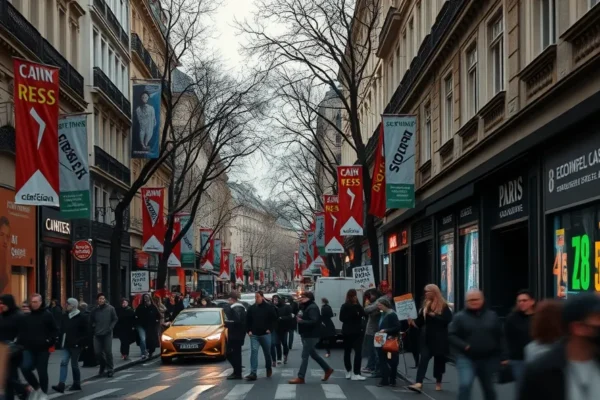
These austerity measures can be deeply unpopular, leading to widespread dissatisfaction and public outcry, which can manifest as French protests and Paris riots. For example, reforms aimed at cutting pension benefits or increasing retirement ages, often proposed to manage debt, can trigger significant social unrest as people feel their hard-earned security is being threatened. This creates a cycle where economic challenges lead to social unrest, which in turn can create further economic uncertainty.
Why Economic Challenges Matter to Everyone
The economic situation in a major country like France has ripple effects far beyond its borders.
For individuals, the France crisis can mean:
- Impact on Investments: If French or European markets become unstable due to economic worries or political uncertainty, investments held by people worldwide can lose value.
- Job Market Changes: Economic downturns can lead to job losses or slower job creation, affecting employment prospects globally.
- Inflation and Prices: Government fiscal policies, often driven by debt concerns, can influence inflation, meaning the cost of goods and services can rise.
- Consumer Confidence: When people are worried about the economy, they tend to spend less, which can slow down economic activity for everyone.
Economically, a stable France is a significant pillar of the European economy. Its struggles can affect trade, investment flows, and the overall health of the Eurozone. Countries with high national debt may also be less able to respond effectively to future economic shocks, such as pandemics or global recessions.
The benefits of economic stability are widespread, leading to better job opportunities, higher incomes, and more predictable prices. Conversely, those most negatively affected by economic hardship are often low-income households, those relying on public services, and young people facing a more challenging job market.
Historical Context and the Rise of Populism
The current France crisis is not an isolated event but is part of a broader trend seen in many Western democracies, often described as a populist surge. Populism is a political approach that appeals to ordinary people who feel their concerns are disregarded by the established elite. This sentiment often arises when economic conditions are difficult, and people feel left behind.
In France, a significant figure embodying this trend is Marine Le Pen. Her political platform often focuses on national sovereignty, stricter immigration controls, and economic protectionism, resonating with voters concerned about globalization, economic inequality, and cultural change. For decades, French politics has seen debates around economic reforms, social welfare, and the country’s role in the European Union. Figures like Le Pen have capitalized on public dissatisfaction with economic stagnation, high unemployment in certain regions, and the perceived impact of European integration.
Statistics paint a picture of ongoing economic challenges. While France is a major global economy, it has grappled with a substantial national debt, which stood at approximately 112% of its GDP in late 2023, according to the Bank of France. This level of debt, coupled with economic growth that has sometimes lagged behind other major economies, creates fertile ground for political discontent and the rise of parties offering radical solutions.
Thinking Practically About Economic Uncertainty
When you hear about economic instability or political unrest in a country like France, it’s important to consider how it might affect your own financial thinking.
- Diversification is Key: If you have investments, ensure they are spread across different asset classes, industries, and geographic regions. Relying too heavily on one economy or market can be risky.
- Stay Informed but Avoid Knee-Jerk Reactions: Understand the general economic climate, but avoid making impulsive financial decisions based on daily news cycles. Long-term financial planning is usually more effective.
- Focus on Your Own Financial Resilience: Building an emergency fund, managing your personal debt, and having a clear budget are fundamental steps that can help you weather economic storms, regardless of where they originate.
A common misconception is that events in distant countries have no bearing on personal finances. However, in our interconnected world, global economic and political stability are increasingly linked to individual financial well-being. Another misconception is that populist promises of quick fixes to complex economic problems are always viable. Such promises often involve significant trade-offs or may not address the root causes of economic challenges.
When following news about the France crisis, pay attention to how proposed solutions address debt, economic growth, and social welfare. Look for credible analyses from reputable financial institutions and economic experts rather than just political rhetoric.
Connecting France’s Challenges to Broader Economic Concepts
Understanding the situation in France also sheds light on several interconnected financial ideas:
- Fiscal Policy: This refers to how governments use spending and taxation to influence the economy. Debates around austerity and government spending in France are prime examples of fiscal policy in action.
- Monetary Policy: While France is part of the Eurozone, its national economic conditions interact with the broader monetary policy set by the European Central Bank (ECB).
- Globalization and Trade: The impact of international trade and global economic forces is a significant factor in the debates surrounding economic policies and the rise of populist movements.
- Political Risk: This is the risk that political changes or instability in a country could have a negative impact on its economy and financial markets.
Understanding concepts like fiscal policy helps to decipher the choices governments make when facing economic challenges. Recognizing the interplay between national economies and broader global forces, such as those influenced by the European economy, provides a more complete picture.
Frequently Asked Questions About the France Crisis
How might the France crisis affect inflation?
Economic instability or significant government spending changes, driven by a France crisis, can influence inflation. If a government borrows heavily or prints more money, it can devalue the currency, leading to higher prices. Conversely, strict austerity measures could potentially dampen demand, which might reduce inflationary pressures.
What are the risks of political instability in France for the French economy?
Political instability can deter foreign investment, lead to capital flight, disrupt business operations, and cause uncertainty in financial markets. This can slow economic growth and potentially increase borrowing costs for the government, exacerbating the national debt issue.
Can the rise of Marine Le Pen impact the French economy?
Yes, changes in government and policy direction associated with political figures like Marine Le Pen can have significant economic impacts. Her platform often includes policies that could alter France’s relationship with the EU, trade policies, and spending priorities, all of which would affect the French economy.
How do French protests typically influence economic policy?
Large-scale French protests have historically shown the power to influence or even halt government policy changes. When public opinion is strongly against proposed reforms, such as pension cuts or tax increases, governments often have to reconsider or modify their plans to maintain social order and political stability.
What is the general outlook for the French economy amidst this unrest?
The outlook is complex and depends on how France navigates its economic challenges and social tensions. Factors like global economic conditions, the effectiveness of government policies, and the resolution of internal political debates will shape the future of the French economy.
Does this crisis mean I should avoid investing in France?
Whether or not to invest is a personal decision based on your risk tolerance and financial goals. While crises present risks, they can also present opportunities. It’s important to conduct thorough research and potentially consult with a financial advisor to assess the specific risks and rewards associated with investing in any market.
This article is for educational purposes only and does not constitute financial advice. Financial situations vary significantly from person to person, and decisions about investments, savings, or economic matters should always be made in consultation with a qualified financial professional who can assess your individual circumstances. Investing involves risks, and past performance is not indicative of future results.