

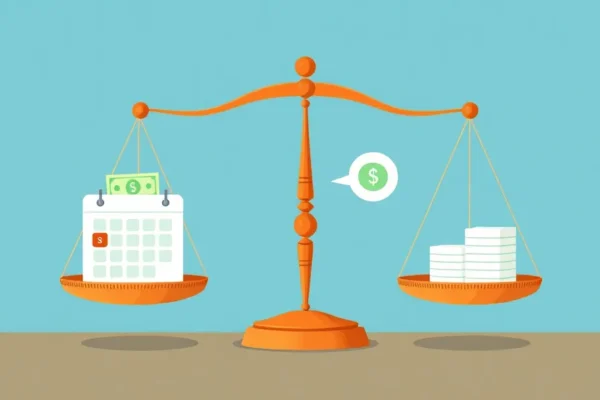
When Your Paycheck Plays Hide and Seek: Why Freelancer Cash Flow is a Different Beast
Hey there! Let’s talk about something that trips up a lot of folks who’ve ditched the traditional 9 to 5 for the freedom of freelancing: cash flow. It sounds a bit techy, but really, it’s just about managing the money that comes in and goes out. For freelancers, this dance is way different than for someone with a steady paycheck. Think of it like this: employees get a predictable drip, while freelancers often deal with a rollercoaster. Understanding this difference is key to keeping your freelance finance ship sailing smoothly.
Why This Money Puzzle is Suddenly So Popular
You might be wondering why everyone’s suddenly talking about freelancer cash flow. Well, the world of work has changed, hasn’t it? More and more people are choosing to be their own boss, to build their own careers. This shift means a whole new wave of people are facing these unique money challenges. They’re looking for answers, for tips on how to handle irregular income and make sure they can pay their bills, save for the future, and still enjoy life. It’s a growing community, and everyone’s trying to figure out the best ways to manage their self-employed money.
A Little History: The Steadfast Employee vs. The Nimble Freelancer
For decades, the standard path was pretty clear. You get a job, you get a regular salary every two weeks or month. Taxes are usually taken out automatically. Your employer handles a lot of the financial behind-the-scenes stuff. It’s predictable. You know roughly how much money will hit your bank account, making budgeting and personal finance much simpler. You can plan your expenses, your savings, even your holidays with a good degree of certainty. This stability is a huge part of the traditional employment model.
Freelancers, on the other hand, have always been a bit more on their own. Your income can fluctuate wildly. One month you might land a huge project and have more money than you know what to do with. The next, projects might dry up, and you’re left with leaner times. There’s no automatic tax withholding, so you have to set aside money yourself. You’re essentially running a small business, and that business is you. This requires a completely different approach to managing money.
The Ripple Effect: What This Means for Your Wallet and Your Work
So, what’s the big deal? Why is freelancer cash flow management so important? It boils down to a few critical areas:
- Stress Levels: Irregular income can cause a lot of anxiety. When you’re constantly wondering if you’ll have enough to cover your expenses next month, it’s hard to focus on growing your business or even enjoying your downtime. Good cash flow management brings peace of mind.
- Business Growth: If you don’t have money coming in consistently, it’s tough to invest in your freelance career. You can’t buy better equipment, take courses to upskill, or afford marketing that could bring in more clients. Managing your money well fuels your business’s growth.
- Personal Stability: Beyond your business, your personal finances are directly tied to your freelance success. You need to cover rent, groceries, utilities, and potentially retirement savings. Without a solid grasp on your freelancer cash flow, your personal life can feel precarious.
- Avoiding Debt: When income is unpredictable, it’s tempting to rely on credit cards or loans to bridge gaps. While sometimes necessary, a pattern of this can lead to significant debt and make managing your self-employed money even harder in the long run.
This isn’t just about surviving; it’s about thriving as a freelancer. It’s about having the control to make choices, to pursue opportunities, and to build a sustainable and rewarding career.
What’s Next on the Financial Horizon for Freelancers
Looking ahead, we’ll likely see even more tools and resources emerge specifically designed to help freelancers manage their finances. Think sophisticated invoicing software that helps track payments and predict income, alongside budgeting apps tailored for variable income. There’s also a growing understanding among financial institutions about the needs of the self-employed, which could lead to more flexible loan and insurance options. As more people embrace the freelance lifestyle, the ecosystem supporting their financial health will undoubtedly continue to evolve, making it easier for individuals to master their freelance cash flow and build secure futures.
Your Burning Questions About Freelancer Cash Flow Answered
How does freelancer cash flow differ from an employee’s?
The core difference lies in predictability. Employees receive a regular, consistent paycheck with taxes often pre-deducted. Freelancer cash flow is characterized by variable income streams and the responsibility of self-managing taxes and business expenses, making financial planning more dynamic.
What are the biggest challenges in managing freelancer finances?
The primary hurdles include unpredictable income, the need for diligent expense tracking, managing invoices and chasing payments, setting aside money for taxes, and balancing personal finance needs with business investments. Effective self-employed money management requires proactive strategies.
Why is invoicing so crucial for freelancer cash flow?
Invoicing is the direct link between your work and your income. Proper invoicing ensures you bill clients accurately and promptly. Timely payments from invoices are the lifeblood of a freelancer’s cash flow, allowing you to manage your money effectively and avoid gaps.
What strategies can improve self-employed money management?
Key strategies include creating a dedicated business bank account, diligently tracking all income and expenses, building an emergency fund, setting aside a percentage of each payment for taxes, creating a realistic budget, and using accounting software to simplify financial planning.
How can freelancers plan for inconsistent income streams?
Financial planning for inconsistent income streams involves creating a “lean month” budget that covers essential expenses only, maintaining a buffer in savings, diversifying income sources to reduce reliance on a single client, and actively seeking out new projects even when busy. This proactive approach is vital for stable freelance finance.











