

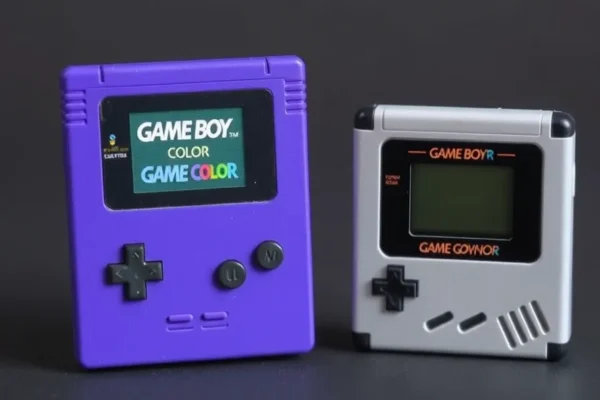
A Tale of Two Game Boys: FunnyPlaying FPGB Mini vs. Analogue Pocket
For many, the original Nintendo Game Boy holds a special place in their hearts. Its blocky graphics and satisfyingly clicky buttons defined a generation of portable gaming. Today, a resurgence of interest in retro gaming has led to the development of devices that aim to capture that nostalgic magic. Two notable contenders in this space are the FunnyPlaying FPGB Mini and the Analogue Pocket. While both offer ways to play classic Game Boy titles, they approach the challenge with vastly different philosophies, price points, and feature sets. Let’s explore what makes each unique.
What Are These Devices?
The FunnyPlaying FPGB Mini and the Analogue Pocket are modern devices designed to play original Game Boy and Game Boy Color cartridges. Think of them as updated, higher-fidelity versions of the classic handheld console. The problem they solve is simple: the original Game Boys are aging, prone to wear and tear, and their screens can feel dated compared to modern displays. These new devices offer a way to experience those beloved games on contemporary hardware, often with improved visual quality and features.
The significance of these devices lies in the growing retro gaming market. As original hardware becomes rarer and more fragile, and as many players seek more robust and visually appealing ways to revisit their childhood favorites, companies are stepping in to fill the demand. The FunnyPlaying FPGB Mini is a product from FunnyPlaying, a company known for its custom Game Boy shells and screen modification kits. The Analogue Pocket, on the other hand, comes from Analogue, a company that has built a reputation for creating high-end, hardware-accurate retro gaming consoles.
How Do They Recreate the Magic?
The core difference in how these devices work lies in their underlying technology. The FunnyPlaying FPGB Mini is essentially a highly refined Game Boy clone. It uses custom hardware, including a new motherboard and display, to replicate the functionality of the original Game Boy. FunnyPlaying has focused on improving the user experience by offering a brighter, sharper screen and better build quality compared to an original, well-used Game Boy. It’s like giving an old car a completely new engine and a modern dashboard while keeping the classic body. This approach prioritizes direct hardware replication for a very authentic feel.
The Analogue Pocket takes a different, more sophisticated route. Instead of simply cloning the original hardware, Analogue uses a technology called FPGA. FPGA stands for Field-Programmable Gate Array. Imagine a blank circuit board that can be programmed to behave like any digital circuit you design. For the Analogue Pocket, this means the FPGA is programmed to perfectly mimic the exact electrical behavior of the original Game Boy, Game Boy Color, and even the original Game Gear and Neo Geo Pocket Color hardware. This is not emulation, where software simulates hardware. Instead, it’s hardware replicating hardware. It’s akin to having a master craftsman who can meticulously recreate a vintage watch by hand, down to every gear and spring, rather than just making a digital copy.
This FPGA approach allows for exceptional accuracy in how the games run, capturing even the subtle timing and visual quirks of the original hardware. It’s a complex engineering feat that aims for a level of fidelity that software emulation often struggles to achieve perfectly.
Where Are We Seeing These Today?
The FunnyPlaying FPGB Mini is primarily available through specialized online retailers that cater to the Game Boy clone and retro gaming modification communities. It’s a product for enthusiasts looking for a more accessible, yet significantly upgraded, way to play original Game Boy cartridges. It’s already in the hands of many players who appreciate its improved display and build quality over a standard original Game Boy. Availability is generally direct from sellers or through community-focused stores. Think of it as a premium aftermarket part for your favorite classic car.
The Analogue Pocket, on the other hand, has been available through Analogue’s direct website. It’s positioned as a premium handheld console for dedicated retro gaming fans who value accuracy and build quality. Its availability has historically been subject to pre-orders and limited production runs, reflecting its status as a more high-end and specialized product. Analogue also sells “cartridge adapters” that allow the Pocket to play games from other systems like the Atari Lynx, TurboGrafx-16, and Sega Game Gear, expanding its utility far beyond just Nintendo titles. This makes it a versatile device for collectors and players of various cartridge-based gaming systems.
Who Else is in the Game?
The retro gaming hardware space is becoming increasingly crowded. For Game Boy specific solutions, you have companies like Retroid Pocket, which offer Android-based handhelds capable of emulating Game Boy games. However, emulation is different from the hardware-level accuracy offered by the Analogue Pocket’s FPGA. Other companies produce modified original Game Boys with upgraded screens and batteries, but these are typically repairs or enhancements rather than entirely new gaming hardware.
When comparing the FunnyPlaying FPGB Mini and the Analogue Pocket, the key differentiator is price and approach. The FPGB Mini is the more budget-friendly option, offering a significant upgrade over original hardware for a lower cost. It’s a direct competitor to modifying an original Game Boy but offers a complete, new unit. The Analogue Pocket, while much more expensive, offers a level of accuracy and versatility that is unmatched in its segment. Its FPGA core allows it to not only play Game Boy games with incredible fidelity but also, with adapters, games from a range of other classic consoles. Analogue has established a lead in the high-end, FPGA-based retro gaming market with devices like the Super Nt and Mega Sg, and the Pocket is a natural extension of that philosophy.
What Does This Mean for Gamers?
The existence of devices like the FunnyPlaying FPGB Mini and the Analogue Pocket is a boon for retro gaming enthusiasts. For those on a tighter budget, the FPGB Mini provides a compelling option to relive classic Nintendo experiences with modern comforts like a bright, clear screen. It makes older games more accessible and enjoyable for a new audience or for those who never owned an original. This democratizes access to beloved classics.
The Analogue Pocket, with its higher price tag, caters to a more dedicated and discerning audience. Its ability to accurately play not just Game Boy but also other legacy systems (via adapters) makes it a powerful tool for collectors and preservationists. It ensures that these classic games can be played today and for years to come with the closest possible experience to the original hardware. The implications extend to game preservation, as Analogue’s approach validates the importance of preserving original hardware experiences.
Economically, this signals a healthy and growing market for retro gaming hardware. It supports specialized manufacturers and retailers and creates a niche for high-quality, dedicated gaming devices. Socially, it allows for intergenerational gaming experiences, where parents can share their childhood favorites with their children on well-crafted, modern hardware.
What Are the Downsides?
The FunnyPlaying FPGB Mini, while a great option, is not without its limitations. As a Game Boy clone, its compatibility with every single Game Boy cartridge might not be as universally perfect as original Nintendo hardware, though it aims for very high compatibility. Furthermore, it doesn’t offer the same breadth of system support as the Analogue Pocket. Users are also reliant on third-party manufacturers for support and future updates, which can be less reliable than a major console maker.
The Analogue Pocket’s primary limitation is its cost. It is a premium device, significantly more expensive than the FPGB Mini or even most original Game Boys. This high entry price can be a barrier for casual fans of retro gaming. While its FPGA approach is highly accurate, it is still a complex piece of gaming hardware, and any technical issues could be more challenging to resolve compared to simpler hardware. Furthermore, while it plays many systems with adapters, these adapters also add to the overall cost and may have their own compatibility nuances.
One significant challenge for both is the reliance on original game cartridges. While they play original media, this means users still need to source their old game carts, which can be costly and time-consuming. This reliance on physical media is a core aspect of their appeal but also a potential barrier for those who no longer possess their collections.
What’s Next for These Devices?
The trajectory for devices like the FunnyPlaying FPGB Mini is likely to involve continued refinement and potentially more affordable iterations. As the technology for custom Game Boy parts matures, we might see even better screens, battery life, and perhaps broader system support within the “clone” category. FunnyPlaying and similar companies will likely continue to innovate in modifying and replicating classic handheld console experiences.
For Analogue, the future is bright but measured. They have established a strong foothold in the FPGA retro gaming market. We can expect continued development and release of new cartridge adapters for more systems, further solidifying the Pocket’s position as a versatile retro gaming hub. Analogue has also hinted at potential future console designs, so the expertise gained from the Pocket will likely inform their next steps. Their focus remains on hardware accuracy and premium build quality, appealing to those who want the definitive retro gaming experience.
The broader trend is toward more accessible, higher-fidelity ways to play classic games. Whether through refined clones or cutting-edge FPGA replication, the demand for cartridge-based gaming experiences remains strong, and companies are responding with increasingly sophisticated solutions.
Frequently Asked Questions
Is the FunnyPlaying FPGB Mini a true Game Boy clone?
Yes, the FunnyPlaying FPGB Mini is designed to replicate the functionality of the original Game Boy and Game Boy Color, offering a new hardware platform for playing original cartridges. It provides an upgraded experience with a modern screen and improved build quality.
How does the Analogue Pocket’s FPGA technology work for retro gaming?
FPGA technology means the Analogue Pocket uses a special chip that is programmed to precisely mimic the electrical behavior of original consoles, offering highly accurate game performance without software emulation. It’s like building an exact replica of the original hardware using a flexible digital chip.
Which device is better for budget gaming?
The FunnyPlaying FPGB Mini is the clear winner for budget gaming. It offers a significant upgrade over original hardware at a much lower price point than the Analogue Pocket, making it more accessible to a wider audience.
Can both play original Nintendo cartridges?
Yes, both the FunnyPlaying FPGB Mini and the Analogue Pocket are designed to play original Game Boy and Game Boy Color cartridges. The Analogue Pocket also supports other systems through optional cartridge adapters.
What are the main differences between the FunnyPlaying FPGB Mini and the Analogue Pocket?
The key differences lie in price, technology, and features. The FPGB Mini is more affordable and focuses on an upgraded Game Boy experience, while the Analogue Pocket is more expensive, uses advanced FPGA technology for high accuracy, and supports a wider range of classic systems.
Is the Analogue Pocket worth the high price for cartridge-based gaming enthusiasts?
For enthusiasts who prioritize the most accurate hardware replication and desire a versatile device capable of playing multiple classic systems, the Analogue Pocket is often considered worth the investment. Its FPGA core and build quality are highly regarded in the retro gaming community.
This article is based on publicly available information from manufacturers, tech publications, and community discussions regarding retro gaming hardware and Game Boy clone devices. Availability and specifications may vary.











