

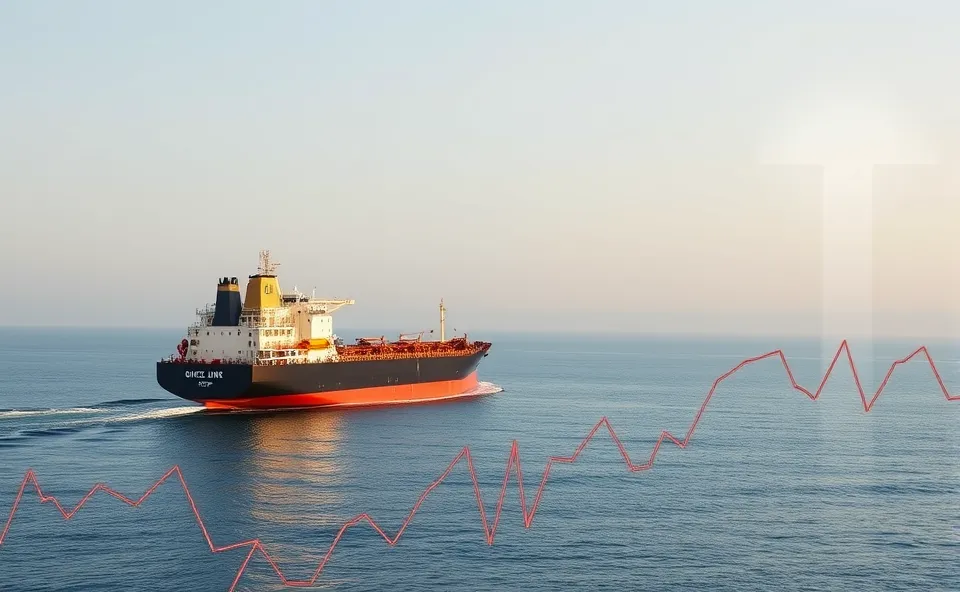
The Strait of Hormuz: Why Peace Might Not Mean Cheaper Gas Just Yet
Let’s talk about something that hits everyone’s wallet: gas prices. We’ve all seen those numbers tick up and down, and often, the talk turns to global events. One place that always gets a mention is the Strait of Hormuz, a super important shipping lane for oil. So, what happens if things calm down there, especially between the US and Iran? You’d think cheaper gas prices would be right around the corner, right? Well, the reality is a bit more complicated. Even if a major geopolitical hurdle like tensions involving the Strait of Hormuz were to disappear, don’t expect your gas pump prices to plummet overnight.
Why Everyone’s Talking About the Strait of Hormuz Now
The reason this topic is buzzing right now is pretty straightforward. Any news that hints at improving relations between major players like the US and Iran, particularly when it involves a critical chokepoint for global energy, sparks immediate interest. People are understandably looking for any silver lining that could ease the pressure on their budgets, and lower gas prices are a big one. The Strait of Hormuz is so crucial to the global oil supply that any shift in its status, real or imagined, sends ripples through the energy market and, by extension, the pockets of consumers worldwide. This current interest stems from the perpetual human desire for economic relief and the direct link between global politics and everyday costs like filling up your car.
A Little Background on a Vital Waterway
To understand why things aren’t so simple, we need a quick refresher on the Strait of Hormuz. Imagine a narrow stretch of water connecting the Persian Gulf to the open ocean. It’s incredibly narrow, only about 21 miles at its widest point, and even narrower in terms of shipping lanes. What makes it so important? A massive chunk of the world’s oil travels through it every single day. We’re talking about oil coming from major producers in the Middle East. Because so much crude oil passes through this specific passage, it’s always been a sensitive spot. Any hint of conflict or disruption there can send oil prices soaring because the market fears that supply could be cut off. This vulnerability is why the Strait of Hormuz is a constant factor in discussions about oil prices and geopolitical stability.
Why Peace Doesn’t Mean Instant Relief at the Pump
Here’s where we get to the heart of why a US-Iran détente, or even full peace, wouldn’t immediately translate to cheaper gas. Think of the energy market like a giant, complex machine. When it’s running smoothly, oil flows, and prices are relatively stable. But when there are disruptions or the threat of disruptions, like those historically linked to the Strait of Hormuz, the machine gets shaky.
Even if tensions ease, and that’s a big if, several factors keep gas prices from dropping instantly:
- Market Psychology: The energy market thrives on anticipation. If traders and investors have been operating under the assumption that there’s a risk of supply disruption from the Strait of Hormuz, they’ve already factored that risk into current oil prices. It takes time for that fear to dissipate and for new, more optimistic pricing to take hold.
- Supply Chain Realities: Getting oil from where it’s produced to where it’s refined and then to your local gas station is a long and intricate process. Even if tankers can now sail through the Strait of Hormuz with greater confidence, there are still logistical steps involved. It’s not like flipping a switch. Crude oil needs to be pumped, transported, refined into gasoline, and then distributed. This takes time.
- Existing Contracts and Global Demand: Oil is traded through a complex web of contracts and global demand. Major oil producers have existing supply agreements. Shifting those and adjusting production levels to reflect new, more stable conditions doesn’t happen overnight. Furthermore, global demand for oil is influenced by many factors beyond just the Strait of Hormuz, including economic growth in major consuming nations.
- Refinery Operations: Gas prices at the pump are also determined by the cost of refining crude oil into gasoline. Refineries operate on schedules and have their own economic considerations. They won’t immediately change their pricing structures just because the geopolitical risk associated with a particular shipping route has lessened.
- Broader Economic Impact: If there has been inflation driven in part by higher energy costs, that inflation itself has a broader economic impact. Businesses have adjusted their costs, and consumers have adjusted their spending. Reversing these effects takes a sustained period of lower energy prices, not just a single event.
So, while improved geopolitical stability in the region of the Strait of Hormuz is a welcome development for the global supply and potentially for long-term oil prices, the immediate impact on your gas prices is likely to be muted. The energy market needs time to adjust, and so do the intricate supply chains that bring fuel to your car.
What Could Happen Next in the Energy Market
Looking ahead, if we see sustained peace and stability around the Strait of Hormuz and a clear de-escalation of tensions involving Iran and the US, we can expect a gradual cooling of oil prices. This isn’t about a dramatic drop, but rather a slow, steady correction. Traders will begin to price in a lower risk premium, meaning the cost of crude oil should eventually decrease as the perceived threat to global supply diminishes. This could, over time, lead to more stable and potentially lower gas prices for consumers. Businesses that rely heavily on transportation will also see their operational costs potentially decrease, which could have positive ripple effects throughout the economy.
However, it’s crucial to remember that the energy market is influenced by many variables. While a peaceful Strait of Hormuz is a significant positive, other factors like global economic growth, production decisions by major oil producing nations outside of the immediate region, and the transition to renewable energy sources will continue to shape oil prices and, by extension, gas prices.
Frequently Asked Questions About Gas Prices and the Strait of Hormuz
How does the Strait of Hormuz affect global oil prices?
The Strait of Hormuz is a critical chokepoint for a significant portion of the world’s crude oil shipments. Any perceived threat or actual disruption there can cause oil prices to spike because of fears about reduced global supply.
Will peace between the US and Iran immediately lower gas prices?
It’s unlikely to be immediate. While peace would be a positive step for geopolitical stability and long-term oil prices, the energy market’s psychology, existing supply chains, and refining operations take time to adjust. Gas prices might see a gradual decrease rather than an instant drop.
What is the economic impact of a closed Strait of Hormuz?
A closure or significant disruption of the Strait of Hormuz would severely impact the global supply of oil, leading to much higher oil prices, increased inflation, and potential economic slowdowns worldwide due to increased energy costs.
How much crude oil passes through the Strait of Hormuz?
A substantial percentage of the world’s oil trade passes through the Strait of Hormuz daily, making it one of the most vital and vulnerable shipping lanes for crude oil.
What other factors influence gas prices besides the Strait of Hormuz?
Gas prices are influenced by many factors including the global demand for oil, production levels by OPEC and other major oil producers, refinery capacity and costs, geopolitical events in other regions, and seasonal demand changes.











