

GasGas and Husqvarna Motorcycle Recall Highlights Safety Focus Amidst Competitive Pressures
A Widespread Recall Affects Off-Road Motorcycle Enthusiasts
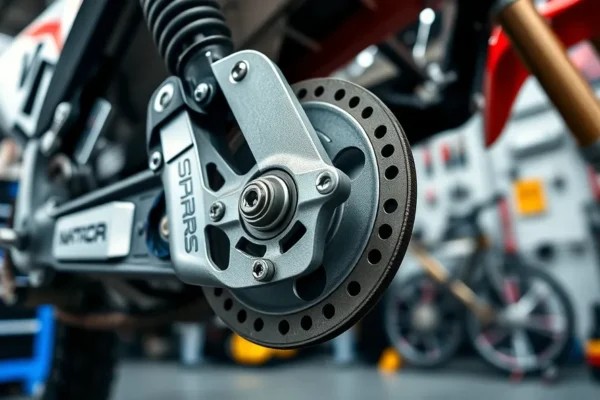
A significant product recall has been announced for approximately 20,000 GASGAS and Husqvarna off-road motorcycles. This widespread bike recall, initiated by the parent company Pierer Mobility AG (which also owns KTM), stems from a critical defect in the rear brake caliper. The issue, detailed in a recent company announcement and confirmed by the National Highway Traffic Safety Administration (NHTSA), poses a serious vehicle safety concern for riders of affected models manufactured between certain dates. Owners of the affected GASGAS recall and Husqvarna recall models are urged to contact their dealerships immediately for a free inspection and repair to address the rear brake defect.
Strategic Imperative: Prioritizing Safety Over Short-Term Costs
The decision to issue a recall of this magnitude is a strategic one, driven by a confluence of factors. Primarily, the overwhelming imperative is consumer safety. A malfunctioning rear brake caliper failure on an off-road motorcycle can lead to a loss of control, increasing the risk of a crash hazard. For companies like GASGAS and Husqvarna, known for their performance-oriented off-road motorcycles, maintaining rider trust and brand reputation is paramount. A failure to act decisively in the face of a safety defect could have devastating long-term consequences, including lawsuits, regulatory penalties, and a severe erosion of brand loyalty among their core customer base. While costly in the short term, addressing the rear brake defect swiftly is a strategic investment in long-term brand viability. This proactive approach aligns with industry best practices for vehicle safety and demonstrates a commitment to their customers beyond the point of sale.
Competitive Landscape: Protecting Market Share and Brand Integrity
In the highly competitive off-road motorcycle segment, where brands like Yamaha, Honda, and Kawasaki are key rivals, a product recall can create openings for competitors. However, the nature of this recall—focused on a specific component defect rather than a broader design flaw—allows GASGAS and Husqvarna to mitigate the damage. The speed and transparency of their response are crucial. Competitors, while potentially benefiting from any customer uncertainty, also face their own stringent vehicle safety standards and are likely monitoring the situation closely. Pierer Mobility AG’s swift action aims to limit negative publicity and reinforce its commitment to quality, thereby protecting its market positioning. The effectiveness of this recall execution will directly impact how riders perceive the overall quality and reliability of GASGAS and Husqvarna motorcycles relative to their competitors. A poorly handled recall could lead to a significant shift in consumer preference.
Industry Trends: Heightened Scrutiny on Vehicle Safety and Component Quality
This GASGAS recall and Husqvarna recall underscores a broader trend within the automotive and powersports industries: heightened scrutiny on vehicle safety and the reliability of critical components. As technology advances and regulatory bodies worldwide increase oversight, manufacturers are under constant pressure to ensure the highest safety standards. The incident also highlights the interconnectedness of the global supply chain; a defect in a single component, potentially sourced from a third-party supplier, can trigger widespread product recalls. Industry peers are likely to re-evaluate their own supply chain quality control measures and may accelerate their internal testing protocols for critical parts like brake calipers to avoid similar incidents. The focus on consumer safety is no longer just a compliance issue but a significant differentiator in brand perception.
Financial and Operational Realities: The Cost of Remediation
The financial implications of this motorcycle recall will primarily involve the costs associated with repairing or replacing the faulty rear brake calipers, shipping parts, and labor. While the exact financial impact is not yet fully detailed in company financial reports, recalls of this scale typically run into millions of dollars. For Pierer Mobility AG, this is a cost of doing business, especially given the premium positioning of GASGAS and Husqvarna brands. Operationally, dealerships will experience increased service bay demand, potentially impacting their ability to handle routine motorcycle maintenance for unaffected models. The company will also incur costs related to communication with customers and managing the recall logistics. In the short term, profitability may be affected due to these unforeseen expenses. However, a successful resolution is crucial for mitigating larger financial risks such as potential lawsuits and reputational damage that could impact long-term sales and profitability.
Execution Risks and Challenges: Navigating a Complex Recall Process
The primary execution risk for this GASGAS recall and Husqvarna recall lies in efficiently reaching all affected owners and completing the necessary repairs in a timely manner. Communicating the urgency of the rear brake defect to a dispersed customer base, particularly for off-road motorcycles that may see less frequent use or be stored for extended periods, can be challenging. Another risk is ensuring the quality and speed of the repairs themselves; any further issues arising from the repair process could exacerbate the negative impact. Historically, companies have faced challenges in recalls due to parts shortages or difficulties in scheduling service appointments. Pierer Mobility AG needs to ensure its dealership network is well-equipped and adequately staffed to handle the volume of repairs. Furthermore, ensuring the integrity of the replacement parts and the effectiveness of the repair are critical to preventing repeat issues or further incidents that could worsen the crash hazard perception.
Stakeholder Ripples: Trust, Loyalty, and Investor Confidence
This bike recall directly impacts multiple stakeholders. For owners of the affected GASGAS and Husqvarna motorcycles, the immediate concern is their safety and the inconvenience of having their bikes serviced. Building and maintaining customer trust is paramount; a transparent and efficient recall process can actually strengthen customer loyalty. For employees, particularly those in service departments, the recall means increased workload but also a reinforcement of the company’s commitment to safety. Dealers bear the brunt of the direct customer interaction and repair work, and their experience with the recall process will influence their perception of the manufacturer. Investors will be watching the financial impact closely, but more importantly, they will assess how effectively Pierer Mobility AG manages the crisis, as this reflects on overall management competence. A well-handled recall can reassure investors about the company’s commitment to product quality and long-term sustainability, whereas a bungled one could raise concerns about operational effectiveness and brand risk.
Outlook and Next Steps: Rebuilding Confidence and Monitoring Performance
The immediate next step is the successful completion of the recall service for all 20,000 affected motorcycles. Key milestones to watch include the percentage of recalled units that have undergone repair, the number of reported incidents related to the rear brake defect post-recall, and customer feedback on the service experience. Over the medium term, success will be measured by the absence of any further safety incidents linked to this issue and the sustained sales performance of GASGAS and Husqvarna models. Analysts will be monitoring dealer service reports and customer satisfaction surveys to gauge the long-term impact on brand perception. The company will also need to demonstrate that it has strengthened its quality control processes to prevent similar issues in the future. If the recall is executed smoothly, the long-term outlook remains positive, with the brands continuing to compete effectively in the high-performance off-road motorcycle market.
Key Questions and Answers
What is the primary safety risk associated with this motorcycle recall?
The primary risk is a rear brake caliper failure, which can lead to a loss of braking capability and potentially cause a crash hazard for riders of these off-road motorcycles.
Why did GASGAS and Husqvarna issue such a broad recall?
The companies issued a broad GASGAS recall and Husqvarna recall to proactively address a rear brake defect affecting a specific range of models, prioritizing consumer safety and preventing potential accidents, as mandated by vehicle safety regulations.
How does this compare to recalls by other motorcycle manufacturers?
While product recalls are not uncommon across the industry, the scale of this specific bike recall for a critical component like the rear brake caliper necessitates a swift and thorough response to maintain brand trust and competitive positioning against rivals.
What are the potential financial implications for Pierer Mobility AG?
The financial impact includes costs for parts, labor, and logistics for the recall service. While significant in the short term, this cost is viewed as a necessary investment to prevent greater financial exposure from lawsuits and reputational damage.
Will this rear brake defect affect future GASGAS or Husqvarna motorcycle models?
The company’s announcement indicates the defect is specific to certain production runs. Future models are expected to incorporate design or manufacturing changes to prevent recurrence, though ongoing vigilance in motorcycle maintenance and quality control is essential.
How long will it take for affected owners to get their bikes repaired?
The timeline depends on dealer availability and parts supply. Owners are advised to contact their dealership promptly to schedule an appointment for the necessary brake caliper repair.
Business outcomes are subject to execution risk and evolving market conditions.











