

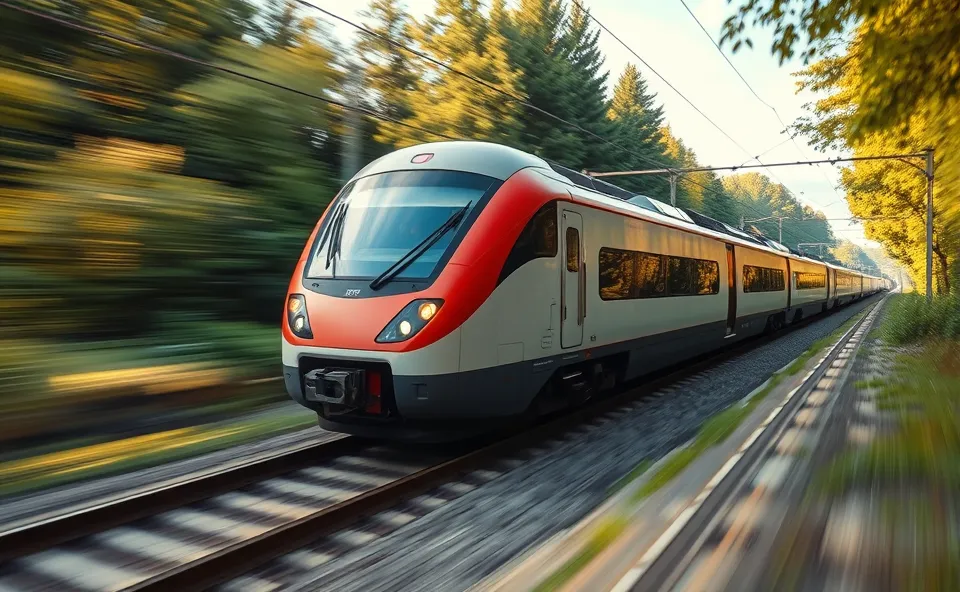
Germany’s Grand Plan to Revitalize Its Rails
Alright, let’s talk about something big happening over in Germany. They’ve decided to pour a massive €100 billion into their railway system. This isn’t just a minor upgrade; it’s a full-blown commitment to fixing and modernizing one of the country’s most vital arteries. Think of it as a huge renovation project for the entire national train network, aimed at making it faster, more reliable, and way more efficient.
Why Are We Hearing About This Now?
You might be wondering why this €100 billion Germany railway investment is suddenly a hot topic. Well, the reality of the situation has become undeniable. For years, passengers and businesses alike have grappled with increasing train delays and aging infrastructure. This massive investment plan is Germany’s official, concrete response to these persistent problems. It’s a signal that the government is finally taking decisive action to address the systemic decline that has plagued Deutsche Bahn and the broader rail network. People are searching for this because they want to know if this plan is enough to turn things around and what it means for the future of travel and transport in Europe.
A Look Back: The Crumbling Tracks
To truly appreciate the scale of this Germany railway investment, we need to understand how we got here. For decades, Germany’s rail infrastructure was a source of national pride, connecting cities and driving economic activity. However, years of underinvestment, coupled with increasing demand and the natural wear and tear of aging tracks and equipment, started to take their toll. Deutsche Bahn, the national railway company, found itself struggling to keep up. Maintenance budgets were often stretched thin, leading to slower speeds, more frequent breakdowns, and the dreaded train delays that have become a common frustration for travelers. This decline wasn’t a sudden event; it was a slow erosion of quality, making this €100 billion push for rail network renewal all the more critical.
The Ripple Effect Across Europe
This €100 billion Germany railway investment isn’t just a German affair; it has significant implications for the entire European transit system and the broader European economy. Germany is a central hub for freight and passenger traffic on the continent. When its rail network suffers, so does the efficiency of European transit. Improving Germany’s rail infrastructure means smoother, faster movement of goods, boosting logistics efficiency for businesses across Europe. For passengers, it promises more reliable connections and potentially faster journeys between countries. This transport modernization is also a huge economic stimulus. The sheer amount of money being spent means a massive boost for construction, engineering, and technology sectors. It creates jobs and drives innovation, not just within Germany but potentially for companies supplying materials and expertise across the EU. This is a prime example of public infrastructure funding having a wide-ranging economic impact.
What’s Next for the Rails?
Looking ahead, this Germany railway investment is designed to tackle several key areas. We’re talking about:
- Massive track upgrades: Laying new tracks, renovating existing ones, and improving signaling systems to allow for higher speeds and fewer disruptions.
- Modernizing stations: Making stations more accessible, user-friendly, and better equipped for the digital age.
- Investing in new trains: Bringing in newer, more efficient, and potentially greener rolling stock to replace aging fleets.
- Digitalization: Implementing advanced digital technologies for better planning, real-time information, and more efficient operations.
The goal is clear: to reverse years of decline and create a rail system fit for the 21st century. This isn’t a quick fix, and the challenges are considerable. Reversing systemic decline takes time, sustained effort, and a willingness to overcome bureaucratic hurdles. However, the commitment of €100 billion signals a strong intention to see this through. For Deutsche Bahn and for European transit, the future looks set to be defined by this ambitious undertaking. We can expect to see a gradual but significant improvement in the reliability and performance of Germany’s rail network, potentially setting a benchmark for transport modernization elsewhere in Europe.
Digging Deeper: Your Questions Answered
What is the main goal of the Germany railway investment plan?
The primary goal of the Germany railway investment plan is to significantly renew and modernize the country’s aging rail infrastructure. This aims to reduce train delays, increase reliability, improve speeds, and enhance overall efficiency for both passengers and freight. It’s a comprehensive effort to reverse years of decline and establish a state-of-the-art rail network.
How will this Germany railway investment affect Deutsche Bahn?
This substantial investment is crucial for Deutsche Bahn. It provides the financial resources needed to address long-standing maintenance backlogs, upgrade critical sections of the rail network renewal, and implement new technologies. The aim is to transform Deutsche Bahn into a more efficient, punctual, and customer-friendly operator.
What are the economic implications of this Germany railway investment for Europe?
The economic implications for Europe are considerable. By improving Germany’s central role in European transit, the investment will boost logistics efficiency for businesses across the continent. It also acts as a significant stimulus for the construction and engineering sectors, creating jobs and fostering innovation. Enhanced rail infrastructure contributes to a more sustainable and integrated European economy.
Can this €100bn Germany railway investment solve the problem of train delays?
While €100 billion is a massive sum and a strong commitment, it’s important to note that solving the problem of train delays is a complex undertaking. This investment is expected to drastically reduce delays by addressing the root causes, such as track wear and outdated signaling. However, complete elimination of all delays will likely take time and continued effort beyond the initial investment period, as it involves not just infrastructure but also operational efficiency.
What are the biggest challenges in executing this Germany railway investment and rail network renewal?
The biggest challenges include the sheer scale and complexity of the project, the need to coordinate extensive construction work with ongoing rail operations, and overcoming potential bureaucratic inefficiencies. Reversing decades of underinvestment and systemic decline within Deutsche Bahn requires not just funding but also sustained political will, effective project management, and technological implementation across a vast rail network.











