

Markets Take a Tumble: What’s Causing the Stock Market Drop?
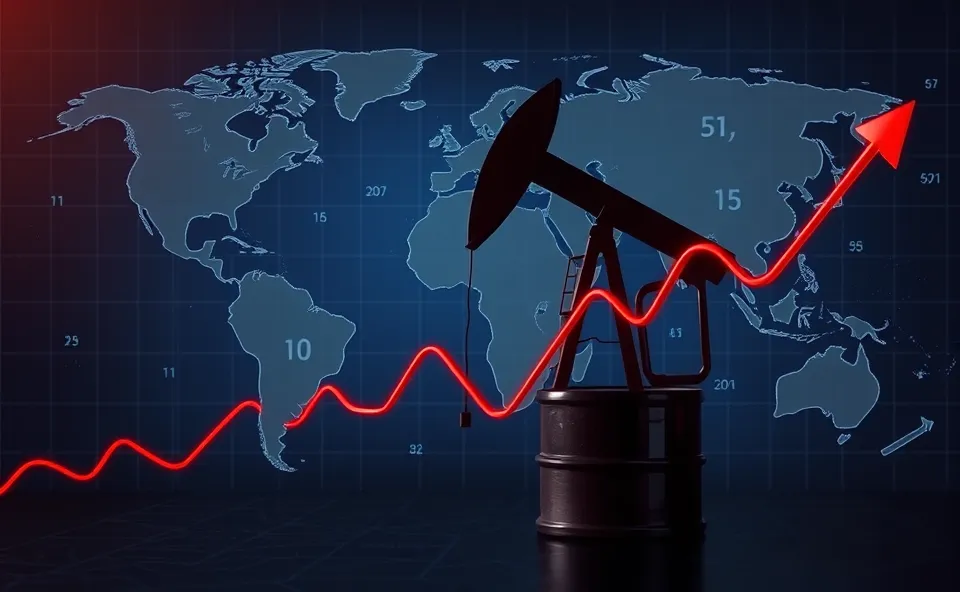
So, you’ve probably noticed the headlines lately – global markets are heading south, pulling back from those impressive record highs. It’s like the stock market party is winding down a bit, and folks are starting to wonder why. There are two big players really driving this recent stock market drop: a surge in oil prices and some serious jitters in the bond market.
Why All the Fuss About Oil and Bonds Right Now?
These two factors are shaking up investor sentiment across global markets. When oil prices climb, it’s not just about filling up your car. It means transportation costs go up, manufacturing gets more expensive, and essentially, everything from the food on your table to the gadgets you use becomes pricier. This inflation creep is a big worry. At the same time, the bond market, which is usually seen as a safer bet than stocks, has been acting up. When bond prices fall, their yields, or the return you get from them, go up. This makes bonds more attractive, pulling money away from the stock market drop we’re seeing. People start to think, “Why risk my money in stocks when I can get a decent return with less risk in bonds?” It’s a classic shift in where investors feel comfortable putting their cash, and right now, the balance is tipping away from stocks.
A Little Background: Oil’s Grip and Bond Basics
To really get why this is causing a stock market drop, let’s rewind a bit. Oil has always been a linchpin of the global economy. When crude oil prices are low, businesses thrive, consumers spend more, and markets tend to do well. But when oil prices spike, it’s like a tax on the entire world. Think about it: oil powers planes, ships, trucks, and factories. If that fuel gets significantly more expensive, it ripples through every industry. We’ve seen periods where high oil prices have directly contributed to economic slowdowns. On the other side, the bond market is where governments and corporations borrow money. When you buy a bond, you’re lending them money for a set period, and they promise to pay you back with interest. For a long time, bond yields were quite low, making them less appealing compared to the potential gains in the stock market. This encouraged investors to seek higher returns in stocks, pushing those markets to new heights. But recently, a combination of inflation concerns and potential interest rate hikes by central banks has caused bond prices to fall and yields to rise. This makes bonds a more compelling option again, especially for those who are more cautious.
What Does This Mean for All of Us?
This stock market drop isn’t just abstract numbers on a screen. For individuals, it might mean that retirement savings or investment portfolios see a temporary dip. It can create a sense of economic worries, making people a bit more hesitant to spend money. For businesses, higher oil prices mean increased operating costs, which can squeeze profit margins. They might pass these costs onto consumers, leading to higher prices for goods and services, further fueling inflation. For technology companies, while demand for their products might remain strong, the cost of manufacturing and distributing those products can increase. This market volatility can also make it harder for companies to raise capital if they need to. Overall, it signals a potential shift from a period of easy money and high growth to a more challenging economic environment. This can create a domino effect, influencing consumer confidence, business investment, and the overall pace of economic activity. The impact on global markets is significant because it affects everything from multinational corporations to small local businesses.
Peering Ahead: What’s Next for the Markets?
Predicting the future of financial markets is always tricky, but we can look at the trends. The immediate outlook depends heavily on how oil prices behave and what central banks decide to do about interest rates. If oil prices stabilize or begin to fall, that could ease some of the inflation fears and provide a boost to stock markets. However, if oil prices continue to climb, especially due to geopolitical tensions or supply issues, we could see more market volatility and potentially deeper corrections. Central banks are walking a tightrope. They need to control inflation without tipping the economy into a recession. If they raise interest rates too aggressively, it could further dampen economic growth and put more pressure on stock markets. Conversely, if they are too slow to act, inflation could become entrenched. Investor sentiment is key here. If investors start to feel more confident about the economic outlook and see a clearer path forward, they might start buying back into stocks. But if the economic worries persist, the trend of money moving from stocks to bonds could continue for a while. It’s a complex interplay of supply, demand, policy decisions, and psychological factors that will shape the next moves in global markets.
Frequently Asked Questions About the Market Drop
Why is there a stock market drop happening now?
The current stock market drop is largely driven by a significant increase in oil prices and growing concerns about the bond market. Rising crude oil costs make it more expensive to produce and transport goods, contributing to inflation. Simultaneously, rising bond yields make these safer investments more attractive, leading some investors to shift their money away from stocks.
How do rising oil prices affect the stock market?
When oil prices rise, it increases operational costs for many businesses, from airlines to manufacturers. This can lead to lower profit margins, which often translates to lower stock prices. Higher energy costs also mean less disposable income for consumers, potentially reducing spending on other goods and services, which further impacts company revenues and the overall stock market.
What are the jitters in the bond market and why do they matter?
The jitters in the bond market refer to concerns that cause bond prices to fall, leading to higher yields. This can be due to fears of inflation or expectations of central banks raising interest rates. These higher yields make bonds a more appealing alternative to stocks, drawing investment capital away from equities and contributing to a stock market drop.
Is this stock market drop a sign of recession fears?
While a stock market drop can sometimes precede or coincide with recession fears, it’s not always a direct indicator. However, the underlying causes, like rising inflation from high oil prices and potential interest rate hikes from bond market volatility, are factors that economic policymakers monitor closely as they can indeed signal a slowing economy or increase the risk of a recession.
What is the impact of this market volatility on global markets?
This market volatility affects global markets by creating uncertainty. As oil prices and bond yields fluctuate, investor sentiment shifts. This can lead to capital moving across borders and asset classes, impacting currencies, commodities, and the overall attractiveness of different regions for investment. It highlights the interconnectedness of financial markets and the global economy.











