

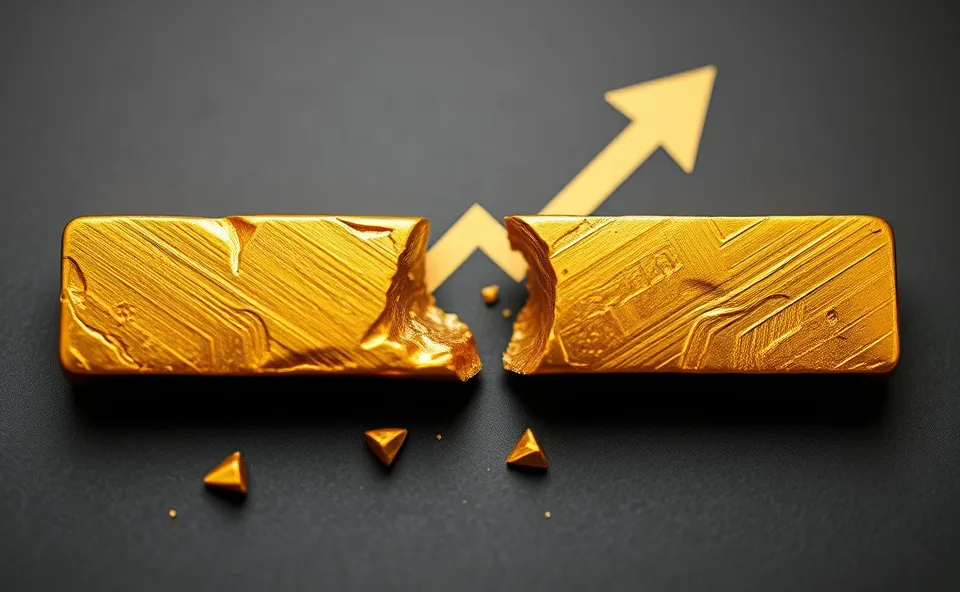
The recent shakeup in gold prices
If you have been keeping an eye on the financial news lately, you probably noticed that gold has been on a bit of a roller coaster ride. For a long time, gold prices were climbing higher and higher, reaching record peaks that made a lot of people feel like the rally would never end. But recently, that trend shifted. Gold experienced a noticeable pullback, meaning the prices dropped after those record highs.
This move has left many people wondering if the gold party is over. To make sense of this, the World Gold Council released its Q1 2026 Gold Demand Trends report. This document acts as a map for the current market, explaining that the recent dip is not necessarily a crash, but rather a complex reaction to several global factors. Essentially, the market is trying to find a new balance after a period of intense growth.
When prices drop after a massive spike, it often creates a sense of uncertainty. Some see it as a sign of weakness, while others see it as a natural correction. In simple terms, gold was perhaps a bit overpriced for a while, and the market is now adjusting to a more sustainable level. The key is understanding that gold does not move in a straight line. It breathes, reacts to news, and shifts based on how investors feel about the world.
Why everyone is talking about gold right now
You might wonder why this specific report is causing so much noise in the finance world. The reason is simple. Gold is often viewed as the ultimate safety net. When people are scared about the economy, they buy gold. When they feel confident, they might move their money elsewhere. Because we are currently living through a period of high global tension, the behavior of precious metals tells us a lot about what the big players think is happening behind the scenes.
The Q1 2026 Gold Demand Trends report is trending because it provides a data driven look at who is actually buying the metal. Is it just regular people, or are the big central banks still stacking gold in their vaults? When the report shows a pullback, it triggers an investor warning for those who bought in at the very top. These people are now trying to figure out if they should hold on or exit their positions.
Additionally, the timing is crucial. We are at a crossroads with global interest rates and inflation. Because gold does not pay a dividend or interest, its appeal changes based on what other investments are offering. Right now, the world is watching to see if gold will resume its climb or if we are entering a period of stagnation. This creates a massive amount of curiosity and search traffic as people try to refine their investment strategy.
The road that led to the record highs
To understand where we are, we have to look at where we came from. The massive gold rally that preceded this pullback did not happen by accident. It was fueled by a perfect storm of economic anxiety. For several years, the world dealt with soaring inflation, which eroded the purchasing power of traditional currencies. In that environment, gold became the go to asset because it tends to hold its value when paper money loses its punch.
Then there is the geopolitical side of things. Conflict and instability in various parts of the world always drive investors toward safe havens. When the world feels unstable, gold feels safe. This psychological drive pushed prices to levels we had never seen before.
Another huge factor was the behavior of central banks. In recent years, many countries began diversifying their reserves. Instead of relying solely on the US dollar, they started buying massive amounts of gold. This created a strong floor for the price. Even when some investors sold, the central banks were there to buy, which kept the momentum going upward. This background is essential because it shows that the demand for gold is rooted in deep, systemic issues, not just a temporary trend.
How this volatility impacts the broader market
So, what does a dip in gold prices actually mean for the average person or a business? First, it serves as a reminder that no asset is immune to volatility. For those who use gold as a hedge, this pullback is a test of patience. It shows that even the safest assets can experience price drops in the short term.
From a broader perspective, these market trends often signal a shift in the economic outlook. When gold prices slide, it can sometimes suggest that investors are becoming more optimistic about traditional markets, like stocks or bonds. It might mean they believe inflation is finally under control or that geopolitical tensions are easing. However, it can also mean that interest rates are staying high, making cash and bonds more attractive than gold.
- For Individual Investors: The pullback creates a dilemma. Do they buy more while it is cheaper, or do they fear a further drop?
- For Businesses: Companies that rely on gold for industrial use or jewelry may find lower prices beneficial for their cost of goods.
- For Global Markets: The movement of gold often mirrors the strength of the US dollar. Usually, when the dollar is strong, gold faces pressure.
The real impact here is the psychological shift. We are moving from a phase of blind optimism about gold to a phase of critical analysis. People are no longer just buying because the price is going up. They are now looking at the actual data from the World Gold Council to decide if the long term value is still there.
What to expect moving forward
Looking ahead, the path for gold is unlikely to be a simple straight line. The economic outlook remains mixed, which means gold will likely continue to be volatile. The most important thing to watch is the tug of war between central bank demand and interest rate policies.
If central banks continue to buy gold to protect their national reserves, it will provide a strong support level that prevents prices from crashing. This suggests that while the record highs might be gone for a moment, the long term foundation for precious metals remains solid. On the other hand, if central banks around the world decide to keep interest rates high for longer than expected, gold might struggle to regain its peak quickly.
We can also expect the market to react sharply to any new geopolitical shocks. Gold is like a sleeping giant. It can stay quiet for months, but it wakes up the moment there is a crisis. Therefore, the next few quarters will likely be a game of waiting and watching. The market is currently in a period of price discovery, where it is trying to figure out what a fair price is in a world that is slowly stabilizing but still feels fragile.
Common questions about gold and investors
Why are gold prices falling after hitting a record high?
Prices often drop after a huge rally because some investors decide to sell and take their profits. Additionally, factors like higher interest rates or a stronger US dollar can make gold less attractive compared to other investments, leading to a natural market correction.
What is the significance of the World Gold Council reports?
The World Gold Council provides the most comprehensive data on gold demand and supply globally. Their Q1 2026 Gold Demand Trends report helps the market understand whether the demand is coming from jewelry, technology, or central banks, which helps predict future price movements.
Is the current dip in gold a warning sign for investors?
It depends on the perspective. For some, it is an investor warning that the rapid growth phase has slowed down. For others, it is simply a healthier market where the price is returning to a sustainable level, potentially offering a better entry point for long term holders.
How do interest rates affect precious metals?
Gold does not pay interest. When bank interest rates are high, you can earn a guaranteed return on your money in a savings account or bond. This makes gold less appealing. When interest rates drop, the opportunity cost of holding gold disappears, which usually sparks a gold rally.
What should be part of a gold investment strategy?
A common investment strategy is to use gold as a diversifier. Instead of putting all their money into one place, many people keep a small percentage of their portfolio in gold to protect against extreme inflation or total market crashes, regardless of short term price swings.











