

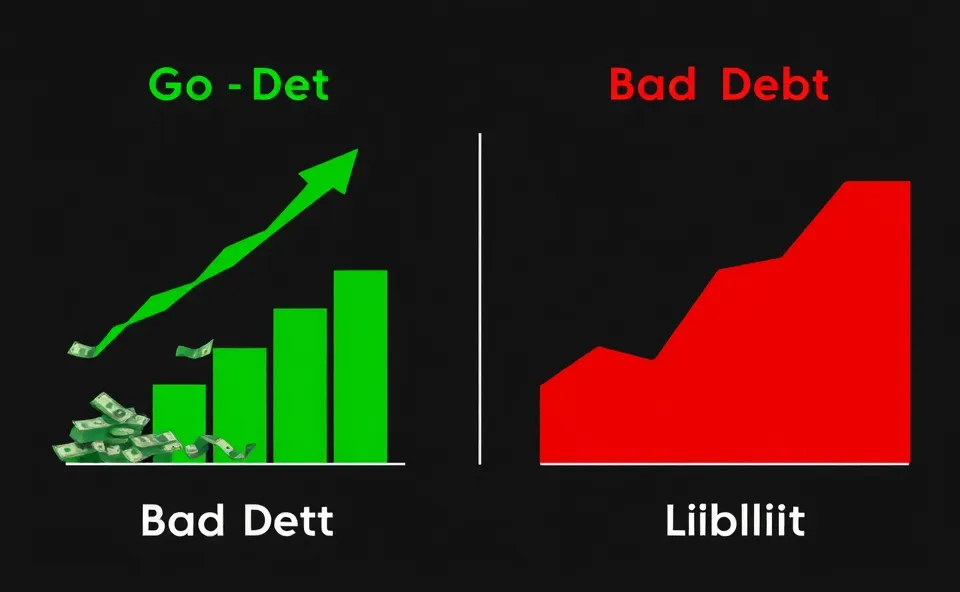
Let’s Talk About Debt: The Good, The Bad, and Your Wallet
Ever heard people talk about “good debt” and “bad debt”? It sounds a bit like assigning personalities to something as dry as money. But honestly, understanding this difference is a huge deal for your personal finance. It’s not just about owing money; it’s about why you owe it and what that debt is actually doing for you. Think of it like this: some debt can be a tool that helps you grow, while other debt just sits there, draining your resources and causing stress.
Why Are We Suddenly Chatting About Good Debt vs. Bad Debt?
In today’s world, it feels like everyone’s talking about managing their money better. The economy has its ups and downs, and people are looking for ways to secure their financial health. This often leads to digging into the nitty-gritty of how they use credit and loans. When you’re trying to build wealth or just stay afloat, understanding the nuances of good debt versus bad debt becomes incredibly relevant. It’s about making smarter choices so that your money works for you, not against you. People are searching for these explanations because they want practical advice on how to improve their financial situation, especially in uncertain times.
A Little History on How We Got Here with Debt
The concept of borrowing money isn’t new. For centuries, people have taken out loans to buy land, start businesses, or fund education. The idea of distinguishing between types of debt has evolved as financial systems became more complex. In the past, major purchases like a home or starting a farm were often the primary reasons for significant borrowing. These were typically viewed as investments that would pay off over time. However, with the rise of consumer credit, credit cards, and easy access to loans for almost anything, the landscape of debt has dramatically changed. We’ve moved from a world where debt was mostly for major assets to one where it can be for everyday items, vacations, or even just keeping up appearances. This shift makes the good debt vs bad debt conversation more important than ever for anyone navigating their personal finance.
What Does This Mean for Your Financial Health?
This is where it gets personal. The impact of good debt versus bad debt on your financial health is profound. Think of it as a fork in the road for your money.
The Upside: When Debt Works for You (Good Debt)
Good debt is essentially borrowing money for something that has the potential to increase in value or generate income over time. It’s often referred to as healthy debt because it can contribute to building wealth and improving your long-term financial standing. The key here is that the asset you’re acquiring is likely to be worth more than you paid for it, or it enables you to earn more money than the debt costs you.
- Mortgages for a Home: Buying a house is a classic example. While you have a loan, you’re building equity in an asset that historically tends to appreciate in value. It also provides shelter, which you’d have to pay for anyway.
- Student Loans for Education: A well-chosen degree or vocational training can significantly increase your earning potential throughout your career. The investment in your education can yield returns far exceeding the cost of the loans.
- Business Loans for Investment: Starting or expanding a business with a loan can lead to profits that not only cover the loan payments but also generate income and create jobs.
- Smart Real Estate Investments: Taking out a loan to purchase a rental property can provide a steady stream of income and capital appreciation.
The impact of good debt is positive. It helps you acquire assets, improve your skills, and increase your income. When managed responsibly, it can improve your credit score over time as you consistently make payments. It’s a form of smart borrowing that aligns with building wealth.
The Downside: When Debt Holds You Back (Bad Debt)
Bad debt, on the other hand, is borrowing money for things that depreciate quickly or are consumed and provide no lasting value or income. This is often called unhealthy debt. It’s money you owe for items that lose value the moment you buy them or services that offer temporary enjoyment but don’t contribute to your financial future.
- Credit Card Debt for Consumer Goods: Using credit cards to buy clothes, electronics, or go on vacations, especially if you only pay the minimum, often comes with high interest rates. These purchases don’t increase your net worth and can become a cycle of debt.
- Car Loans for Depreciating Vehicles: While you often need a car, the moment you drive it off the lot, its value plummets. If you borrow more than the car is worth or take out a loan with very high interest, it’s a significant drain.
- Payday Loans and High-Interest Personal Loans: These types of loans often have astronomical interest rates and fees, making them incredibly difficult to pay off and trapping borrowers in a debt spiral.
- Loans for Non-Essential Luxuries: Borrowing money for items that are purely for status or fleeting enjoyment, without a clear plan to repay, falls into this category.
The impact of bad debt is overwhelmingly negative. It drains your income with interest payments, prevents you from saving and investing, can severely damage your credit score, and creates significant financial stress. It’s the opposite of smart borrowing and actively works against building wealth.
The Bigger Picture: Credit Scores and Financial Freedom
Your approach to good debt versus bad debt directly influences your credit score. Consistently paying off good debt responsibly shows lenders you’re reliable, which can open doors to better loan terms in the future. Conversely, accumulating and struggling with bad debt can lead to a damaged credit score, making it harder and more expensive to borrow money for important things like a home or a car. Ultimately, understanding and managing your debt is key to achieving financial freedom and stability.
What’s Next on the Debt Horizon?
Looking ahead, the conversation around good debt versus bad debt will likely become even more nuanced. As financial products evolve, and as we see more emphasis on financial literacy, people will continue to seek clarity. We might see more tools and resources emerge to help individuals categorize and manage their borrowing habits effectively. The trend will probably lean towards encouraging smart borrowing for wealth-building assets and discouraging or providing alternatives to high-interest, depreciating debt. Expect a continued focus on debt management tips that empower individuals to make informed decisions that support their long-term financial health rather than hinder it.
Frequently Asked Questions About Good Debt and Bad Debt
What is the main difference between good debt and bad debt?
The primary difference lies in what you borrow money for. Good debt is for assets that can increase in value or generate income, like a home or education. Bad debt is for things that depreciate quickly or are consumed, such as most consumer goods bought with credit cards.
Can credit card debt ever be considered good debt?
Typically, credit card debt is considered bad debt due to its high interest rates and use for depreciating items. However, if you use a credit card for a purchase that will directly generate income (like a tool for your business) and pay it off immediately without incurring interest, some might argue it served a temporary good purpose. But as a general rule for personal finance, carrying credit card balances is unhealthy debt.
How does understanding good debt vs bad debt affect my financial health?
Understanding this distinction is crucial for personal finance. Good debt can help you build wealth and improve your credit score over time, leading to greater financial freedom. Bad debt drains your resources, hinders your ability to save, can damage your credit score, and creates stress.
What are some examples of good debt for building wealth?
Excellent examples of good debt for building wealth include mortgages for appreciating real estate, student loans for high-earning potential degrees, and business loans used to start or expand a profitable venture. These are forms of smart borrowing.
What are effective debt management tips for avoiding bad debt?
Key debt management tips include creating a budget to understand your spending, prioritizing paying down high-interest debt, avoiding impulse purchases, and always considering the long-term value and repayment of any loan. Focusing on healthy debt rather than unhealthy debt is key.











