

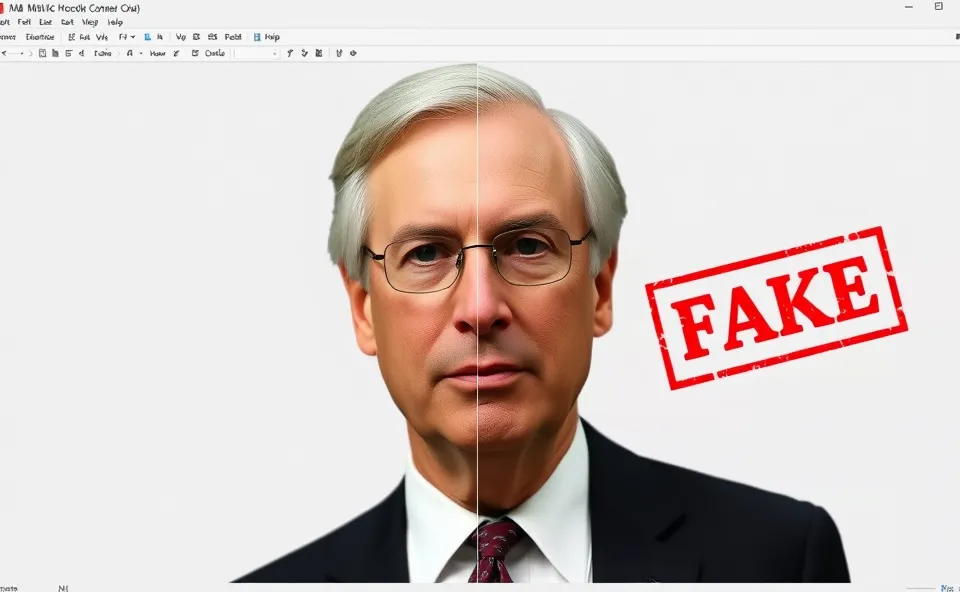
A New Digital Shield Against Fake Images
We have all seen how fast a single picture can travel online. Sometimes, a photo captures a genuine moment of history. Other times, it is a complete fabrication designed to trick us. Recently, a suspicious image of Senator Mitch McConnell began making the rounds on social media. It looked convincing enough to fool many people at first glance, but it was actually a piece of synthetic media. Thankfully, Google put its new AI technology to the test and successfully flagged the image as fake.
This incident shows just how far we have come in the fight against misinformation. Google used a specialized deepfake detector to analyze the pixels and patterns within the image that human eyes often miss. By spotting subtle inconsistencies in lighting, skin texture, and background geometry, the system was able to confirm that the image was not a photograph at all. It was an AI-generated hoax. This victory for digital forensics reminds us that while technology can create problems, it is also providing us with the tools to solve them.
Why Everyone Is Talking About Digital Truth
The reason this story is blowing up is simple. We are living in an era where anyone with a smartphone and a bit of software can create an image that looks perfectly real. When high-profile politicians like Mitch McConnell become the subjects of fake news, it creates a stir because it hits right at the heart of our public discourse.
People are searching for answers because they are worried about what they can actually trust. We have reached a point where seeing is no longer believing. The anxiety is palpable because a single viral post can alter public opinion or cause confusion within minutes. Google AI is stepping into the spotlight here because it offers a sense of security. Users want to know that someone is working behind the scenes to keep the truth from getting lost in a sea of digital manipulation.
The Evolution Of Synthetic Media
To understand why this matters, we have to look at how we got here. A few years ago, deepfakes were mostly clunky, obvious, and easy to spot. You could look at someone’s face in a video and see the edges flickering or the eyes behaving strangely. That is no longer the case. The tools used to generate synthetic media have improved at a breakneck speed.
This is not just about fun filters or harmless edits anymore. As the technology behind generative AI has advanced, the barrier to entry has dropped to almost zero. Bad actors are using these powerful models to push agendas, mock public figures, or simply cause chaos. Before this, we relied mostly on manual fact-checking, which is slow and cannot keep up with the speed of the internet. We needed an automated way to verify reality, and that is where the concept of a dedicated deepfake detector moved from a niche research project to a necessary public service.
What This Means For Our Online World
The impact of this technology goes far beyond just one debunked image. It changes how businesses, news organizations, and everyday users interact with digital content. For companies, the threat of fake news is a real risk to their reputation. Imagine if an AI-generated image of a CEO surfaced, showing them doing something illegal or unprofessional. Without a way to prove it is an AI hoax, the brand damage could be instant and permanent.
For us as users, this creates a healthier, more skeptical internet. When systems like Google AI start to label content, we get better at evaluating what we see. It encourages us to pause before we share something that might be fake. This shift is vital for the health of our markets and our communities because it forces platforms to take responsibility for the accuracy of the information they host. It turns the tide in favor of transparency.
Here are a few ways this shift changes the digital landscape:
- Increased Accountability: Platforms now have better evidence to remove harmful content without being accused of censorship.
- Restored Trust: When systems successfully debunk a lie, it helps users feel more confident in the legitimate news they consume.
- Enhanced Awareness: The general public is becoming more tech-savvy about the risks of AI-generated content.
- Corporate Safety: Businesses can use similar tools to protect their image from malicious synthetic media attacks.
Looking Toward A More Transparent Future
So, what happens next? We are entering a phase where the arms race between those creating fakes and those building detection tools will define the web. We should expect to see these detection systems integrated directly into our browsers, search engines, and social media feeds. In the near future, you might see a small badge or notification on an image telling you it has been verified as authentic by an AI system.
However, we must also stay grounded. Technology is never a perfect shield. As detection methods get smarter, those trying to bypass them will also find new tricks. This is a game of cat and mouse that will likely never end. The real solution is a combination of powerful AI tools and a more educated public. By staying informed and using these tools, we can maintain a digital space that values truth over viral impact.
Frequently Asked Questions
What exactly is a deepfake detector?
A deepfake detector is a piece of software that uses advanced AI to scan media for signs of manipulation. It looks for irregularities that humans cannot see, like math errors in how shadows fall or unnatural patterns in digital pixels, to confirm if an image or video is real or an AI hoax.
Why is Google AI involved in spotting fake news?
Google has a massive responsibility to manage the information people find online. By investing in AI-powered tools, they are trying to keep their search results and news feeds free from harmful, synthetic media that could mislead the public or cause panic.
Can an AI hoax look completely real to the naked eye?
Yes. Modern AI models are incredibly good at mimicking human skin, lighting, and movement. While a trained eye might spot a few errors, a high-quality deepfake can easily look real enough to trick even skeptical viewers on a small phone screen.
Why was the Mitch McConnell image considered so dangerous?
The image was misleading because it portrayed a political figure in a way that could influence public perception or incite anger. When content like this is shared without being debunked, it spreads rapidly and can be used to manipulate political discourse or damage someone’s character.
How can I avoid being fooled by AI-generated content?
Always check the source of an image before believing it. If you see something that looks shocking or unusual, search for it on major news sites to see if they have reported on it. If a deepfake detector tag or a warning appears on a post, take it seriously and avoid sharing the image further.











