

Did Google Earth Just Pull the Plug on an AI Image Maker?
So, you might have heard some buzz lately about Google Earth and an AI image generation tool. It turns out, they’ve taken down a specific feature that allowed users to generate images. It wasn’t just any old image maker, though. This tool was built on something called Nano Banana 2 technology, and it seems like things went south pretty quickly because of how it was being used.
Why the Sudden Interest in This Google Earth AI News?
The reason this is popping up in tech news right now is the sudden and decisive action Google took. When a big player like Google removes a feature, especially one involving generative AI, it’s a big deal. People are searching because they want to understand what went wrong, how it affects the broader world of AI development, and what it means for the future of tools that can create images from text or other inputs. The core issue revolves around the misuse of this powerful Google Earth AI tool for creating deepfakes, which has sparked a lot of discussion about AI safety and ethical AI practices.
What’s the Backstory on This Image Generation Tool?
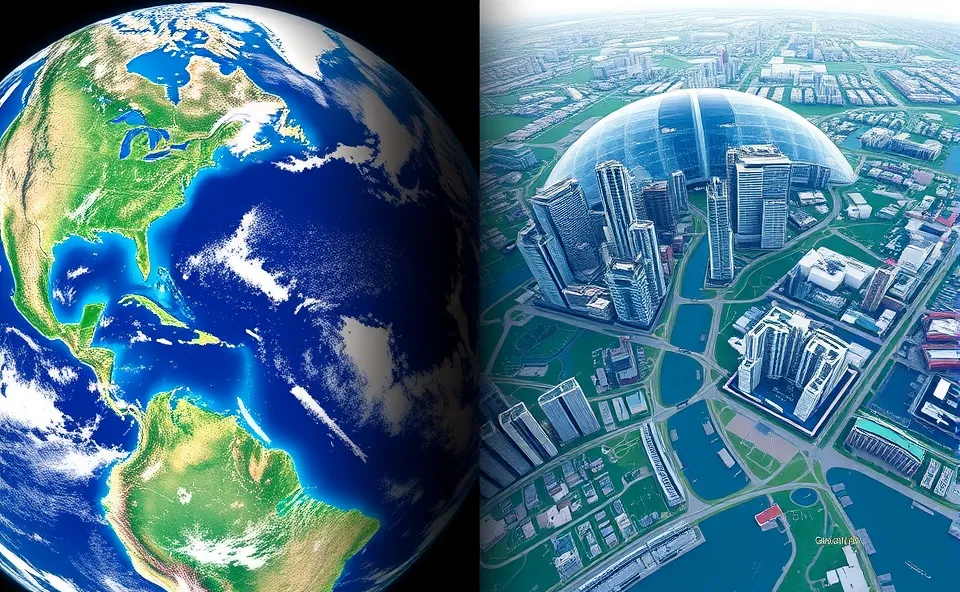
To get the full picture, we need to go back a little. Google has been investing heavily in artificial intelligence, and that includes pushing the boundaries of what generative AI can do. This particular image generation feature was a testbed, essentially. It leveraged advanced technology, known internally as Nano Banana 2, to create realistic images, in this case, specifically designed to work with satellite imagery. The idea was probably to let people visualize concepts or explore geographical data in new ways. However, the underlying power of Nano Banana 2, while impressive for generating novel content, proved to be a double-edged sword. It allowed for the creation of highly convincing synthetic images, and unfortunately, this capability was exploited for malicious purposes, leading to the creation of deepfakes that could be passed off as real. This kind of misuse is a growing concern across the entire field of artificial intelligence.
What Does This Mean for Us and the World of Tech?
The removal of this Google Earth AI tool has several ripple effects. For everyday users who might have been excited to play with AI-generated satellite views, it’s a bit of a disappointment. But more importantly, it’s a stark reminder of the challenges in managing powerful AI technologies. Businesses that are looking to integrate generative AI into their products now have another data point to consider. They need to weigh the innovation potential against the very real risks of misuse. This incident highlights the ongoing debate around content moderation and the difficulty of staying ahead of bad actors who can exploit new technologies. It also puts a spotlight on Google AI safety efforts, showing that even with robust internal processes, unforeseen issues can arise. The incident underscores the need for stronger safeguards, like robust digital watermarks, which can help verify the authenticity of AI generated content. For the broader tech industry, this serves as a critical lesson in responsible AI deployment. The dream of easily generating realistic imagery clashes with the nightmare of widespread deception.
Where Do We Go From Here with AI Image Generation?
Looking ahead, it’s unlikely that the advancements in AI image generation will simply disappear. Instead, we’ll probably see a stronger focus on security and ethical considerations from companies like Google. Expect to see more research and development dedicated to building AI systems that are inherently safer and more transparent. This could involve:
- Developing better methods for detecting and labeling AI generated content.
- Implementing more sophisticated digital watermarking techniques to track the origin of images.
- Creating stricter guidelines and controls for the use of powerful generative AI tools.
- Increased collaboration between tech companies, researchers, and policymakers to establish industry-wide standards for ethical AI.
The Nano Banana 2 technology itself might be repurposed or further developed with these safety measures built in from the ground up. The goal will be to harness the incredible potential of generative AI while mitigating the risks. This means that future versions of such tools, if they emerge, will likely be more controlled and perhaps have more limitations to prevent their misuse.
Got Questions About the Google Earth AI Deepfake Tool?
What exactly was the Google Earth AI tool that was removed?
The tool in question was an experimental image generation feature within Google Earth that used advanced AI technology, specifically Nano Banana 2, to create new images based on satellite imagery. It was taken down due to its misuse for creating deepfakes.
Why is the Nano Banana 2 technology relevant to this Google Earth AI deepfake tool issue?
Nano Banana 2 is the underlying technology that powered the image generation capability. Its advanced nature allowed for the creation of highly realistic synthetic images, which unfortunately made it susceptible to being used to generate convincing deepfakes, leading to the tool’s removal as part of Google AI safety measures.
How does this relate to AI deepfake tools in general?
This incident highlights the broader challenges with AI deepfake tools. The same generative AI technology that can be used for creative purposes can also be exploited to create deceptive content. The removal of the Google Earth AI tool is a direct response to the risks posed by such misuse.
What is Google doing to prevent future misuse of its AI tools like the Google Earth AI deepfake tool?
While specific details of Google’s ongoing security response are not public, incidents like this typically lead to enhanced AI safety protocols. This often includes exploring solutions like digital watermarks, improving content moderation, and refining the safeguards around powerful generative AI models to prevent them from being used to create harmful or misleading content.
What is the impact of removing such an AI generation tool on the field of generative AI?
The removal of the Google Earth AI tool, driven by deepfake concerns, serves as a cautionary tale for the generative AI field. It emphasizes the critical need for ethical AI development, robust content moderation, and proactive security measures. While it might temporarily slow down certain experimental applications, it also pushes the industry towards developing more responsible and secure AI technologies for the future.











