

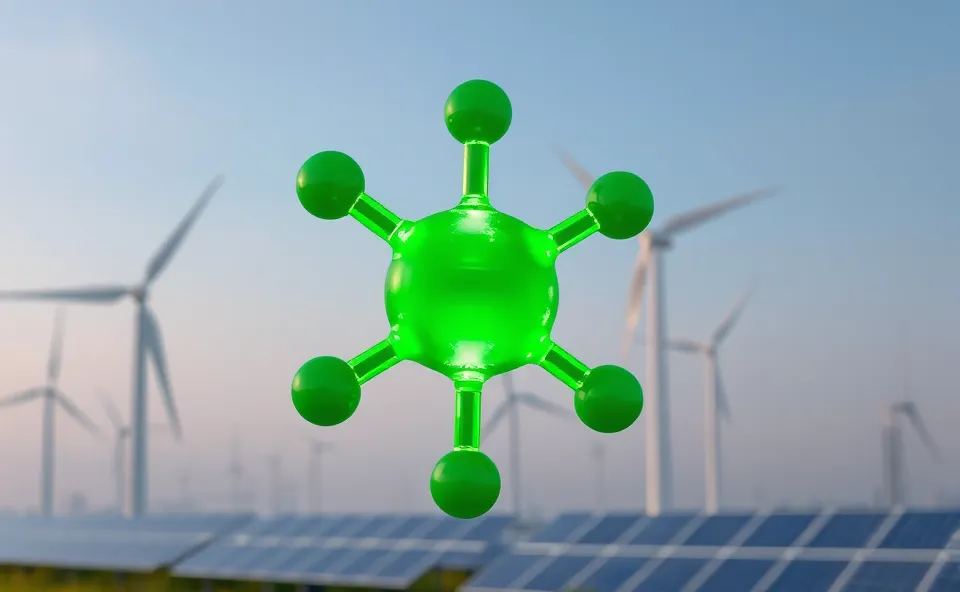
Hey there! Ever heard the buzz about “green hydrogen” lately? It’s this super exciting idea that’s popping up everywhere in the clean energy world, and for good reason. Think of it as the next big step in making our planet a healthier place, and it’s also creating some pretty amazing investment opportunities. Let’s break down what this is all about and why it matters so much right now.
Unpacking the “Green” in Hydrogen
So, what exactly is green hydrogen? Imagine hydrogen gas, which is incredibly versatile and can be used as a fuel. Now, picture getting that hydrogen in a way that’s totally clean, with zero pollution. That’s the core idea of green hydrogen. Unlike other ways of producing hydrogen that create a lot of greenhouse gases, green hydrogen is made using renewable energy sources. Think sunshine and wind power. It’s essentially taking electricity generated from these clean sources and using it to split water molecules into hydrogen and oxygen. The result? A clean, carbon-free fuel that doesn’t harm our atmosphere.
This process is mainly done through something called electrolysis. It’s like a high-tech way to take water and break it apart. The electricity powers a device that separates the hydrogen from the oxygen. When you use electricity from solar panels or wind turbines, you’re using 100% renewable energy to create this hydrogen. That makes it a truly sustainable fuel. It’s a way to capture the power of renewables and store it in a chemical form, ready to be used whenever and wherever it’s needed, without adding more carbon dioxide to the air.
Why All the Fuss Right Now?
You might be wondering why green hydrogen is suddenly such a hot topic. Well, it boils down to a few key things. Firstly, the world is really pushing for cleaner energy solutions. We’re all becoming more aware of climate change and the need to reduce our carbon footprint. Green hydrogen offers a compelling pathway to achieve this, especially in sectors that are hard to decarbonize, like heavy industry and long-haul transport. Think of massive ships, airplanes, or steel production – these are areas where traditional electrification is tricky, and hydrogen fuel is looking like a game changer.
Secondly, technology has advanced significantly. The cost of renewable energy like solar and wind has dropped dramatically over the past decade. This makes the electrolysis process, which requires a lot of electricity, much more economically viable. As the cost of renewable electricity goes down, the cost of producing green hydrogen also decreases, making it a more attractive option for businesses and governments. Plus, there’s a growing understanding of its potential applications, from powering fuel cell vehicles to storing excess renewable energy for later use. This combination of environmental urgency, technological progress, and newfound economic sense is driving the massive interest we’re seeing today.
A Little History to Understand the Present
Hydrogen itself isn’t new. For decades, scientists and engineers have explored its potential as a clean energy source. However, most hydrogen produced today comes from natural gas, a process that releases a lot of carbon dioxide. This is often referred to as “grey hydrogen.” There’s also “blue hydrogen,” which is made from natural gas but with some carbon capture technology to reduce emissions. But neither of these is as clean as the ultimate goal: green hydrogen. The concept has been around, but the practical, large-scale, and cost-effective implementation of green hydrogen production is really a more recent development.
The shift towards green hydrogen is part of a larger movement known as the energy transition. This is the global effort to move away from fossil fuels towards cleaner, more sustainable energy sources. Governments and major corporations are setting ambitious climate goals, and green hydrogen fits perfectly into these plans. It’s seen as a crucial element in creating a truly carbon-free future, providing a way to decarbonize industries that electrification alone might not be able to reach. So, while the idea of hydrogen as fuel has been around, the commitment and the technological readiness to make green hydrogen a reality on a large scale is a relatively new phenomenon.
What This Means for You and Me
The rise of green hydrogen has significant implications for all of us. For consumers, it could mean cleaner transportation options in the future. Imagine cars, buses, and even trucks running on hydrogen fuel cells, producing only water vapor as exhaust. This could lead to improved air quality in our cities and a healthier environment. It’s a step towards a more sustainable lifestyle where our energy choices have less impact on the planet.
For businesses, especially those in heavy industries like manufacturing, shipping, and aviation, green hydrogen offers a pathway to decarbonize their operations. This is crucial for meeting regulatory requirements, attracting environmentally conscious investors, and staying competitive in a world that’s increasingly prioritizing sustainability. It opens up new investment opportunities in green technologies and infrastructure. Companies are investing heavily in developing electrolyzer technology, building hydrogen fueling stations, and exploring new applications for this clean fuel. This creates jobs and drives innovation across various sectors, contributing to a broader economic shift towards a green economy. Essentially, green hydrogen is poised to become a cornerstone of the future of energy, impacting how we move, how we produce goods, and how we power our lives.
Looking Ahead: The Hydrogen Horizon
The future looks bright for green hydrogen, with significant investment pouring in from governments and private companies worldwide. We can expect to see more large-scale production facilities being built, making green hydrogen more accessible and affordable. The technology behind electrolyzers is constantly improving, becoming more efficient and cost-effective. This will further accelerate its adoption across various industries.
As the infrastructure for green hydrogen continues to grow, its use as a sustainable fuel is expected to expand rapidly. We’ll likely see it playing a key role in powering heavy-duty transport, like long-haul trucks and ships, and potentially even in aviation. Furthermore, green hydrogen can serve as a valuable tool for energy storage. Excess renewable energy, which can sometimes be an issue with intermittent sources like solar and wind, can be converted into hydrogen and stored for later use, helping to stabilize the power grid. This makes the entire renewable energy system more reliable and efficient. The ongoing research and development will undoubtedly uncover even more innovative applications for this versatile, carbon-free energy carrier.
Your Green Hydrogen Questions, Answered
What is the main benefit of using green hydrogen?
The primary benefit of green hydrogen is that it is a completely clean energy source. Its production using renewable energy and its use as a fuel produce zero carbon emissions, meaning it’s a key player in combating climate change and improving air quality. It represents a truly sustainable fuel option.
How is green hydrogen produced?
Green hydrogen is produced through electrolysis, a process that uses renewable electricity from sources like solar and wind power to split water molecules into hydrogen and oxygen. This method ensures the entire production chain is carbon-free.
Are there investment opportunities in green hydrogen?
Yes, absolutely. The growing demand and governmental support for clean energy are creating significant investment opportunities in green hydrogen. This includes investing in companies that produce electrolyzers, develop hydrogen infrastructure, or utilize green hydrogen as a fuel.
What are the potential applications for green hydrogen?
The applications for green hydrogen are vast and growing. It can be used as a fuel for transportation, especially for heavy-duty vehicles like trucks and ships. It’s also a vital component for decarbonizing heavy industries such as steel and cement production. Additionally, it can be used for energy storage, helping to balance renewable energy grids.
Is green hydrogen the future of energy?
Many experts believe green hydrogen will be a crucial part of the future of energy. As the energy transition progresses and the need for carbon-free solutions becomes more urgent, green hydrogen offers a versatile and scalable way to achieve a sustainable energy system, complementing other renewable energy technologies.











