

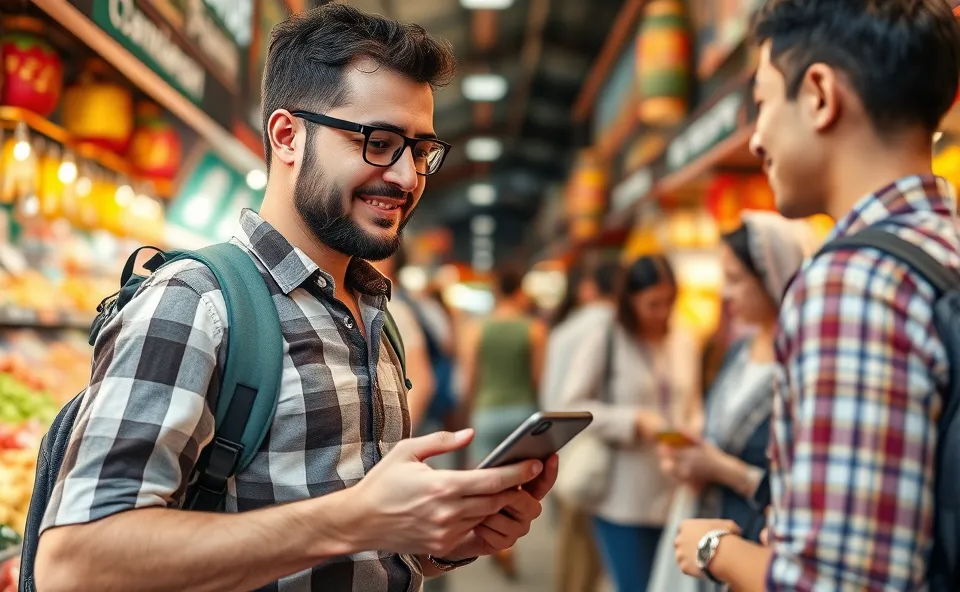
Unlocking the World: How Pocket Translators Are Changing Travel
Ever found yourself in a bustling foreign market, pointing frantically at a menu or trying to ask for directions, only to be met with blank stares and a shrug? It’s a classic travel moment, but thankfully, there’s a tech solution that’s making those moments a lot less stressful. We’re talking about handheld translators, those nifty little gadgets that are quickly becoming essential travel companions.
Whispers in Your Hand: The Magic Behind These Language Gadgets
So, how do these pocket translators actually work? It’s pretty clever, really. At their core, they’re specialized devices designed to take spoken words or text and convert them into another language, and then back again. Most of them use a combination of onboard software and cloud-based artificial intelligence. When you speak into the device, it captures your voice, processes it to understand the words, and then sends that information through Wi-Fi or a cellular connection to powerful servers. These servers, powered by sophisticated algorithms, perform the translation. The translated speech is then sent back to your device, which speaks it out loud in the desired language. Some even have screens that display the text, which is super helpful in noisy environments. The beauty of modern handheld translators is their speed. We’re talking real-time translation, so you can have a back-and-forth conversation without awkward, lengthy pauses.
What makes them even more impressive is their offline translation capability. While an internet connection usually offers the most accurate and up-to-date translations, many travel translator devices come with downloadable language packs. This means you can still get by even when you’re off the beaten path, with no Wi-Fi or data signal to be found. This offline translation device functionality is a game-changer for adventurous travelers.
Why Everyone’s Suddenly Talking About Travel Translator Devices
The surge in interest around handheld translators isn’t out of the blue. Think about it: the world feels smaller than ever, and more people are venturing out to explore new cultures. The desire to connect with locals, to order food with confidence, and to navigate unfamiliar cities without constant anxiety is huge. This is where the language translation device steps in. It’s not just about getting by; it’s about truly experiencing a place. Plus, with so many people sharing their travel experiences online, the effectiveness and ease of use of these portable translators are becoming more apparent. They represent a tangible solution to a very real problem the travel language barrier.
We’ve all tried using translation apps on our smartphones. They’re great in a pinch, and they’ve certainly improved over the years. But there’s something different about a dedicated device. For starters, it’s a single-purpose tool, meaning it’s often faster and more intuitive to use. You don’t have to unlock your phone, find the app, select the languages, and then try to hold it steady for the audio to pick up. A handheld translator is usually ready to go with a press of a button. This focus on simplicity and immediate utility is a big draw, especially when you’re juggling luggage or trying to catch a train.
A Blast from the Past: The Evolution of Speaking New Tongues
Language translation has been a dream for centuries. From ancient scrolls to early dictionaries, people have always sought ways to bridge linguistic divides. The advent of computers and then the internet opened up new possibilities. Early attempts at machine translation were clunky and often hilariously inaccurate. Remember those awkward, literal translations that made no sense? Those were the early days of trying to teach machines to understand human language. Over time, as computing power increased and vast amounts of text data became available for training, the accuracy of translation software improved dramatically. The development of AI and machine learning has been the real catalyst, allowing devices to learn nuances, context, and even slang. The handheld translator is the modern embodiment of this long-held human aspiration to communicate freely across borders.
Your Passport to Deeper Connections: The Impact of Portable Translators
The impact of handheld translators on travel is profound. They dismantle the travel language barrier, transforming potentially isolating experiences into opportunities for genuine connection. Imagine being able to have a meaningful conversation with a shopkeeper about their craft, or understanding the stories behind ancient ruins from a local guide. This level of immersion is what truly makes travel enriching. For travelers, it means less frustration and more confidence. You can explore off-the-beaten-path destinations with greater ease, feeling more secure knowing you have a reliable way to communicate. Businesses that cater to tourists also stand to benefit. Being able to communicate effectively with a wider range of customers can lead to increased satisfaction and loyalty.
From a technology perspective, the ongoing development of these devices pushes the boundaries of AI, natural language processing, and miniaturization. The need for faster, more accurate, and more versatile translation fuels innovation in these fields. It’s a clear example of how consumer tech can directly address a fundamental human need, making the world feel a little bit smaller and a lot more accessible. The smartphone vs handheld translator debate is also interesting. While phones are versatile, a dedicated pocket translator often offers a more streamlined, distraction-free experience for its primary purpose: language communication.
Peering into Tomorrow: What’s Next for Your Personal Interpreter?
Looking ahead, we can expect handheld translators to become even more sophisticated. We’ll likely see even greater accuracy and a wider range of supported languages, including regional dialects. The integration of advanced AI might allow for more nuanced translations that capture tone and emotion, making conversations feel even more natural. Imagine devices that can not only translate but also offer cultural context or explain local customs in real-time. Battery life will undoubtedly continue to improve, and the devices themselves might become even smaller and more discreet.
We might also see a merging of capabilities, where these devices offer more than just translation. Perhaps they’ll integrate with navigation apps, or offer real-time cultural insights as you explore. The ultimate goal is seamless, effortless communication, and handheld translators are well on their way to achieving that. The future promises an even more connected and understood world, one conversation at a time.
Frequently Asked Questions About Your Travel Companion
What is the main benefit of using a handheld translator for travel?
The primary benefit of a handheld translator is its ability to break down the travel language barrier, enabling clear and real-time communication with locals. This leads to more immersive experiences and reduces travel anxiety.
Are handheld translators better than translation apps on smartphones?
While smartphone apps are convenient, handheld translators often offer a more dedicated, faster, and user-friendly experience for language communication. Their single-purpose design means less distraction and quicker access to translation features.
Can I use a pocket translator without an internet connection?
Many modern pocket translators offer offline translation device capabilities. You can usually download language packs in advance, allowing you to translate even when you don’t have Wi-Fi or cellular service.
How does a travel translator ensure real-time translation accuracy?
These devices use advanced AI and often cloud-based processing for real-time translation. They quickly process spoken language and deliver accurate translations, sometimes within milliseconds, to facilitate natural conversations.
What makes a portable translator ideal for an immersive travel experience?
A portable translator fosters an immersive experience by allowing you to engage directly and confidently with the local culture and people. This goes beyond basic navigation, enabling deeper interactions and understanding of your surroundings.











