

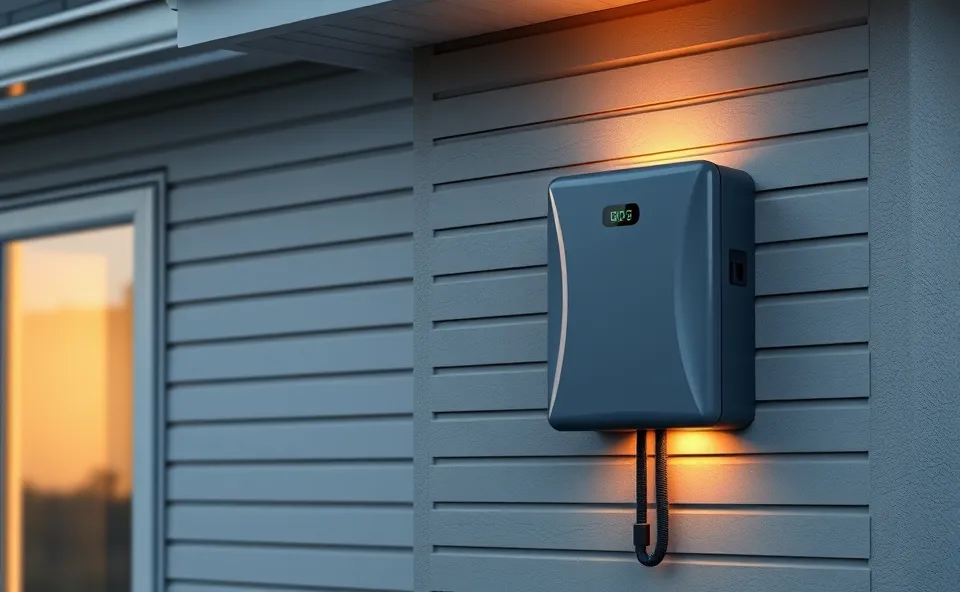
Hey there, tech enthusiasts and savvy homeowners! Ever looked at your electricity bill and thought, “There has to be a smarter way to power my home?” Or maybe you’ve experienced that frustrating moment when the lights go out during a storm? If so, you’ve probably heard whispers about home battery installation and the promise of energy independence. It’s a topic that’s really buzzing right now, and for good reason. Let’s dive into what these amazing devices are all about, how they work, and what it takes to bring one into your home.
Unpacking the Magic of Your Home Battery
So, what exactly is a home battery, anyway? Think of it as a big, rechargeable power pack for your house. Instead of just pulling electricity directly from the grid whenever you need it, a home battery lets you store power for later use. This stored energy can come from a few places. Most commonly, it’s linked up to your solar panels. When your solar panels are generating more electricity than your home is currently using during the day, that extra power can be sent to charge your home battery. You can also charge it directly from the grid during off-peak hours when electricity is cheaper. Then, when the sun isn’t shining, or when electricity prices are high, you can draw power from your battery instead.
These systems are becoming increasingly sophisticated, often integrating with what we call smart home technology. This means your battery can intelligently decide when to charge, when to discharge, and how to best manage your home’s power flow to save you money and keep you running, even if the grid goes down. It’s essentially a personal energy storage hub, giving you more control over your home’s power.
Why the Sudden Interest in Residential Battery Storage?
You might be wondering why everyone’s talking about home battery installation right now. There are a few big drivers behind this trend. Firstly, electricity costs are a major concern for many families. As grid prices fluctuate and often trend upwards, people are actively looking for ways to reduce their monthly bills. A home battery, especially when paired with solar, offers a tangible way to do just that by using your own generated power or cheaper grid power when it’s available.
Secondly, the desire for reliability is huge. We’re living in a world where constant power is almost an expectation, but grid outages, whether from severe weather, equipment failures, or other disruptions, do happen. The appeal of having a backup power source that kicks in automatically, keeping your lights on, your fridge running, and your devices charged, is incredibly compelling. This need for battery backup is becoming more pronounced as extreme weather events become more common.
Finally, there’s a growing awareness and desire to embrace renewable energy. Many homeowners who invest in solar panels want to maximize their use of that clean energy. A solar battery allows them to store that sunshine and use it long after the sun has set, further reducing their reliance on fossil fuel-generated electricity from the grid. It’s about more than just saving money; it’s about sustainability and taking a proactive step towards a greener future.
A Look Back: The Evolution of Home Power
To truly appreciate home battery installation, it helps to look at where we’ve come from. For decades, our homes have been almost entirely dependent on the centralized electricity grid. You flip a switch, and power flows. Simple, reliable, but with limited options. The concept of storing your own electricity at home isn’t entirely new; early forms of energy storage existed, but they were often bulky, expensive, and not very efficient for residential use. The real shift began with the rise of solar power. As solar panels became more accessible and affordable, the logical next step was figuring out how to store that intermittent energy.
Battery technology itself has seen incredible advancements. Think about your smartphone or laptop; the batteries powering those devices have gotten smaller, cheaper, and more powerful over time. This miniaturization and improvement in battery technology, particularly with lithium-ion chemistry, has finally made residential battery storage a viable and practical option for the average homeowner. We’ve moved from experimental systems to sleek, integrated solutions that are becoming a standard part of the modern smart home ecosystem. The journey has been one of technological leaps, making what once seemed like science fiction a tangible reality.
What Does This Mean for Your Home and Beyond?
The impact of home battery installation is multifaceted, touching your personal finances, your comfort, and even the broader energy landscape. For you, the homeowner, it means increased energy independence. You’re less at the mercy of fluctuating electricity costs and grid reliability. Imagine having a home battery that seamlessly keeps your essential appliances running during a blackout; it’s peace of mind that’s hard to put a price on.
Financially, the home battery cost is an investment, but one that can pay dividends. By reducing your reliance on expensive grid electricity and potentially selling excess power back to the grid under certain programs, you can see significant savings on your energy bills over the lifespan of the battery. Pairing it with solar panels amplifies these benefits, allowing you to maximize the value of your renewable energy investment.
On a larger scale, widespread adoption of residential battery storage contributes to a more stable and resilient power grid. When thousands of homes have their own energy storage, it can help manage peak demand, reducing the strain on the grid during busy periods. This distributed energy storage also supports the integration of more renewable energy sources, as batteries can smooth out the supply from intermittent sources like solar and wind. It’s a step towards a more decentralized and robust energy future.
Looking Ahead: The Future of Home Energy Storage
What does the future hold for home battery installation? We can expect continued advancements in battery technology. Prices are likely to decrease further as production scales up and efficiency improves. We might also see even smarter integration with smart home systems, allowing for more sophisticated energy management that learns your habits and optimizes power usage without you having to lift a finger.
There’s also a growing possibility of vehicle-to-grid or vehicle-to-home technology becoming more mainstream. Your electric car could potentially act as a large home battery, providing backup power or even feeding energy back to the grid. Furthermore, as more homes adopt solar and battery systems, the overall grid infrastructure will likely evolve to better accommodate and manage these distributed energy resources. The trend is clearly towards greater consumer control, increased efficiency, and a more sustainable energy ecosystem powered by innovative battery technology.
Frequently Asked Questions About Home Batteries
How much does a home battery installation typically cost?
The home battery cost can vary widely based on the capacity of the battery, the brand, and the complexity of the installation. Generally, you’re looking at an investment that can range from several thousand dollars to upwards of $10,000 or more for a robust system capable of providing significant backup power and energy storage. Many factors influence the final home battery cost, so getting detailed quotes is essential.
What is the difference between a solar battery and a general home battery?
While the terms are often used interchangeably, a solar battery is specifically designed to work in conjunction with solar panels for residential battery storage. It stores excess solar energy generated during the day. A general home battery can also store energy, but it might be charged primarily from the grid during off-peak hours, or it can be a standalone system for backup power. The core function of energy storage is the same, but the primary charging source and integration might differ.
How long do home batteries last?
The lifespan of home batteries is typically measured in years and the number of charge/discharge cycles they can endure. Most modern lithium-ion batteries used for residential battery storage are designed to last 10 to 15 years, and some manufacturers offer warranties covering 10 years or a certain number of megawatt-hours of energy discharged. Battery technology is constantly improving, extending these lifespans.
What are the benefits of having battery backup for my home?
The primary benefit of battery backup is uninterrupted power during grid outages, providing crucial power for essentials like lights, refrigerators, medical devices, and communication systems. Beyond backup power, a home battery can help you reduce electricity costs by storing cheaper off-peak grid electricity or excess solar energy for use during peak times when rates are higher. It also offers greater energy independence and supports the use of renewable energy.
Is home battery installation worth the investment?
Whether home battery installation is worth the investment depends on your specific needs and circumstances. If you experience frequent power outages, live in an area with high electricity costs, or want to maximize your use of renewable energy from solar panels, then the benefits of energy storage and potential cost savings can make it a worthwhile investment. Consider your local energy prices, the cost of the system, and available incentives or rebates when evaluating the return on investment for your home power needs.











