

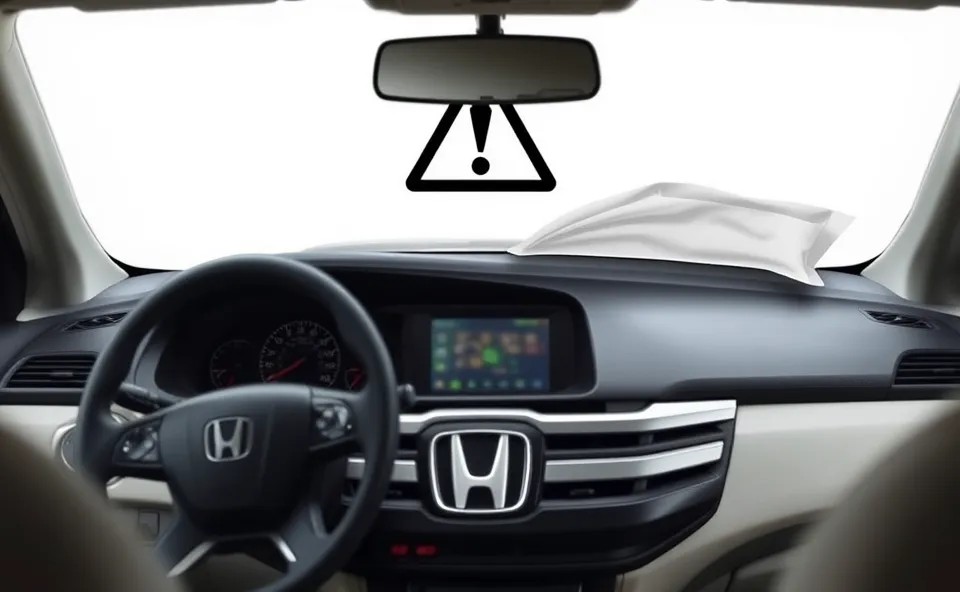
Honda’s Big Airbag Concern Sparks Widespread Search
Hey everyone, let’s talk about something important happening with Honda vehicles. You might have heard the buzz about a significant Honda recall, and it’s all centered around a potentially tricky airbag situation. Basically, Honda is recalling about 440,000 vehicles because of an issue that could cause the airbags to deploy when they shouldn’t. This isn’t a small hiccup; it’s a pretty substantial move by Honda to address a serious vehicle safety concern.
The core of the problem lies with a software flaw. This flaw can, under certain circumstances, lead to an unexpected airbag deployment. Imagine driving along and suddenly, without any warning or reason, your airbag pops out. That’s precisely the scenario Honda is trying to prevent. And yes, this issue has unfortunately been linked to injuries, which makes the Honda recall all the more critical.
Why is Everyone Talking About This Honda Recall Right Now?
So, why are so many people suddenly searching for information on this Honda recall and the airbag defect? It’s usually a combination of factors. First, recalls of this size, involving hundreds of thousands of vehicles, naturally grab attention. When a major automaker like Honda announces such a broad auto recall, it’s big news. People want to know if their car is affected, what the problem really is, and what they need to do.
Secondly, the nature of the defect the unexpected airbag deployment raises immediate alarms for consumer safety. Airbags are designed as a crucial safety feature, meant to protect occupants during a crash. When they malfunction and deploy without cause, it not only defeats their purpose but can also create a new hazard, potentially causing injuries. The fact that this particular airbag defect has been linked to injuries certainly fuels the urgency and online searches.
Beyond that, in today’s connected world, information travels fast. News of the recall spreads through social media, automotive forums, and news outlets, prompting many owners to seek clarification. The involvement of the National Highway Traffic Safety Administration (NHTSA) also lends weight to the situation, as they are the government body overseeing vehicle safety in the United States. Their involvement signifies the seriousness of the vehicle defect being addressed.
Looking Back: Precedents in Vehicle Safety
To truly understand the significance of this current Honda recall, it helps to put it in a bit of context. The automotive industry, while constantly pushing the boundaries of innovation and convenience, has had its share of challenges when it comes to vehicle safety. We’ve seen other large auto recalls in the past related to various components, from brakes to steering systems.
Airbags themselves have a history within recalls. Early on, there were widespread issues with certain airbag inflators that led to significant recalls across multiple manufacturers. This current situation, while stemming from a different cause a software flaw rather than a physical component defect highlights that even modern vehicle safety systems require ongoing vigilance and updates. It’s a reminder that the complex electronic systems in our cars, which manage everything from engine performance to safety features like airbags, can also be sources of unexpected problems.
For Honda, this isn’t the first time they’ve navigated a significant auto recall. Like many large automakers, they have faced situations that required them to recall vehicles to address safety concerns. Each of these instances, however, contributes to a broader narrative about the continuous effort required to ensure the reliability and safety of millions of vehicles on the road. The specific models affected by this particular Honda recall, such as certain Honda Odyssey minivans, are often family vehicles, making the consumer safety aspect particularly resonant.
What This Means for Drivers and the Auto World
So, what’s the big deal for the average driver and the broader auto industry? For Honda owners, especially those with potentially affected models, this Honda recall means a proactive step towards ensuring their vehicle’s safety. The primary impact is the need to take their vehicle in for a repair. Honda will be notifying owners and providing instructions on how to get the software updated or the necessary fix applied, usually free of charge.
The unexpected airbag deployment issue is a stark reminder that even with advanced technology, vehicle safety isn’t foolproof. It underscores the importance of staying informed about manufacturer communications and recalls. For the auto industry, this incident is another data point in the ongoing challenge of balancing rapid technological advancement with robust safety protocols. The reliance on complex software in modern vehicles means that software flaws can have far-reaching consequences, affecting vehicle safety just as much as mechanical issues.
This recall also puts a spotlight on the work of organizations like the NHTSA. They play a vital role in identifying potential safety issues, investigating them, and ensuring manufacturers take appropriate action. The pressure on automakers to maintain high standards of consumer safety is immense, and incidents like this reinforce why regulatory oversight is so crucial. For manufacturers, it’s a continuous cycle of design, testing, production, and then, when necessary, addressing any emerging vehicle defect through recalls.
The economic impact, while not the primary focus, is also present. Recalls cost manufacturers significant amounts of money for repairs, logistics, and sometimes reputational damage. However, the cost of not addressing a safety issue, both in terms of potential lawsuits and erosion of consumer trust, is far greater. This specific minivan recall, affecting models like the Honda Odyssey, could have a noticeable impact on consumer perception of that particular line of vehicles.
Looking Ahead: The Road to Safer Driving
What’s next after a Honda recall like this? The immediate future involves Honda diligently carrying out the recall process. This means notifying all affected owners, scheduling appointments at dealerships, and performing the necessary software updates or repairs. The goal is to rectify the airbag defect as quickly and efficiently as possible to prevent any further incidents of unexpected airbag deployment.
Beyond the immediate fix, this event will likely prompt further scrutiny of airbag control software across the industry. Automakers and their suppliers will be re-evaluating their testing and validation processes for safety-critical software. We might see increased emphasis on over-the-air updates for safety-related issues, allowing manufacturers to push fixes to vehicles remotely, much like smartphone app updates, which could speed up the resolution process for future software flaws.
For consumers, the expectation is continued transparency from manufacturers and regulators. The more informed drivers are about potential vehicle defects and the steps being taken to address them, the greater the confidence they will have in their vehicles. The trend towards more sophisticated vehicle technology is undeniable, and with it comes the evolving landscape of vehicle safety challenges. This Honda recall is a significant event, but it’s part of a larger, ongoing narrative about making our cars as safe as they can possibly be.
Frequently Asked Questions About This Honda Recall
What is the main issue in the latest Honda recall?
The primary concern in this Honda recall is a software flaw that can cause the airbags to deploy unexpectedly. This airbag defect has led to the recall of a large number of vehicles.
Which Honda models are affected by this airbag defect recall?
The recall affects approximately 440,000 Honda vehicles, including specific model years of popular vehicles like the Honda Odyssey minivan. Owners should check Honda’s official recall information for precise details on affected VINs.
Has this Honda recall linked to injuries?
Yes, unfortunately, this specific vehicle defect involving the unexpected airbag deployment has been linked to injuries. This underscores the seriousness of the issue and the importance of addressing the Honda recall promptly.
What should I do if I own an affected Honda vehicle regarding this airbag recall?
If you own a Honda vehicle that might be part of this auto recall, you should wait for the official notification from Honda. They will provide instructions on how to schedule a service appointment to have the software flaw corrected, which is usually a free repair.
How does this Honda recall affect overall vehicle safety and consumer confidence?
This Honda recall highlights the ongoing challenges in ensuring consumer safety with complex vehicle technology. While a recall can temporarily shake confidence, a prompt and transparent response from Honda, working with the NHTSA, aims to reinforce trust in vehicle safety measures and the automaker’s commitment to fixing the airbag defect.











