

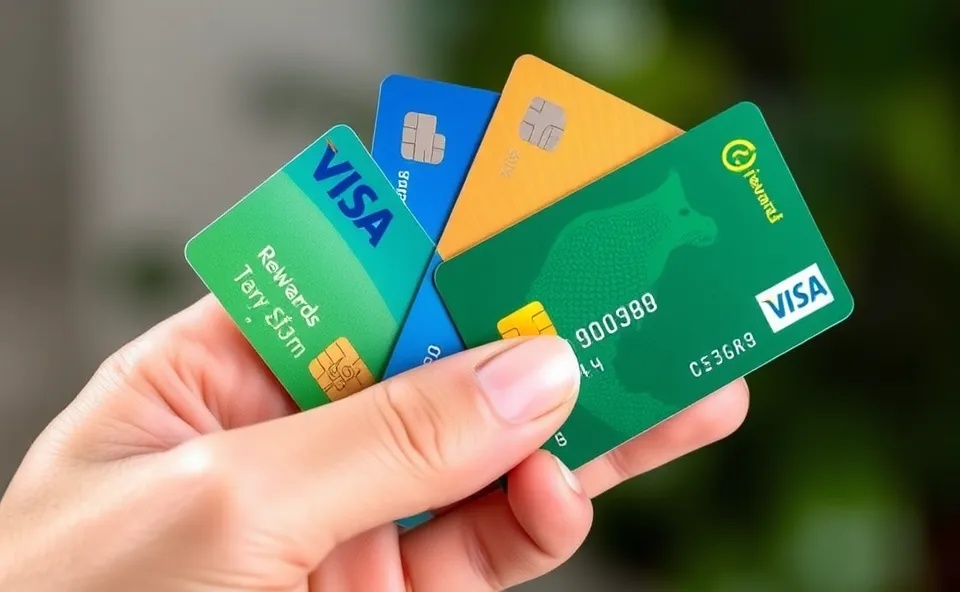
Finding Your Perfect Plastic Partner: A Guide to Choosing a Credit Card
Hey there! Let’s talk about something that touches pretty much everyone’s wallet: credit cards. Picking the right one can feel like navigating a maze, right? But it doesn’t have to be. Think of this as your friendly chat with a friend who’s done a little digging. We’re going to break down how to choose a credit card that actually works for you, not against you. It’s all about smart personal finance and keeping your credit score in good shape.
Why Everyone’s Talking About Credit Cards Right Now
You’ve probably noticed credit card offers flooding your mailbox or popping up online. There’s a good reason for this surge in interest. In today’s world, people are more conscious than ever about managing their money effectively. Many are looking for tools to help them budget, earn rewards on their everyday spending, and build a solid financial future. This desire to get the most out of every dollar, combined with a general interest in boosting their credit score, means more people are actively seeking the best credit cards for their needs. It’s not just about having a card; it’s about having the right card.
A Little History: How We Got Here with Credit Cards
Credit cards aren’t exactly a new invention. They’ve been around in various forms for decades. Initially, they were more like charge cards, requiring you to pay the balance in full each month. Over time, the concept evolved to include revolving credit, where you could carry a balance and pay interest. This shift opened the door to a wider range of options and strategies for consumers. Banks and financial institutions started offering different types of cards, each with its own set of perks and drawbacks. Understanding this evolution helps us appreciate the vast landscape of credit card choices available today and why a thoughtful approach is so important when you choose a credit card.
The Real Impact: What Your Credit Card Choice Means for You
Choosing the right credit card has a ripple effect on your personal finance journey. It’s not just about convenience; it’s about maximizing benefits and minimizing costs. For starters, think about rewards. Do you travel often? A travel rewards credit card could earn you points or miles that make your next trip cheaper. Are you a frequent shopper? Cashback cards can put money back into your pocket on everyday purchases. Beyond rewards, the interest rate, or APR, is crucial. A high APR can quickly turn small purchases into expensive debts, especially if you tend to carry a balance. On the flip side, a card with a low introductory APR can save you a bundle if you’re planning a large purchase or consolidating debt. And let’s not forget the impact on your credit score. Responsible credit card use, like paying your bills on time and keeping your credit utilization low, is one of the biggest drivers of a healthy credit score. A good credit score, in turn, opens doors to better loan rates, rental opportunities, and even certain jobs. So, the credit card you choose truly shapes your financial present and future.
What’s Next? The Evolving World of Credit Cards
Looking ahead, the credit card landscape will likely continue to adapt. We might see even more personalized rewards programs tailored to individual spending habits, driven by advancements in data analytics. The integration of technology will also play a bigger role, with enhanced mobile payment options and digital wallets becoming even more seamless. As consumers become savvier about managing their credit, we can also expect card issuers to compete by offering more transparent terms and better customer service. The core principle remains: finding a credit card that aligns with your financial goals and habits is key, and the tools to help you do that will only get more sophisticated.
Your Burning Questions Answered: Credit Card Deep Dive
What’s the first step in choosing a credit card?
Before you even look at specific offers, the very first step is to understand your own spending habits and financial goals. Are you trying to build credit, earn rewards, or transfer a balance? Knowing this will help you narrow down the many credit card options available. It’s the bedrock of a smart credit card comparison.
How does my credit score affect which credit card I can get?
Your credit score is a major factor. Generally, a higher credit score means you’ll qualify for cards with better terms, lower interest rates, and more generous rewards. If you have a lower credit score, you might start with secured credit cards or cards designed for people building their credit. Understanding your credit score is a vital part of your personal finance strategy.
Are rewards credit cards worth it?
For many people, yes! If you consistently pay off your balance each month, the rewards points, miles, or cashback you earn can be a great way to get more value from your spending. However, if you tend to carry a balance, the interest you pay could easily outweigh the value of the rewards. It’s a personal finance decision that depends on your spending and payment habits. Always do a credit card comparison of the rewards versus potential interest costs.
What are the biggest mistakes people make when applying for a credit card?
One common mistake is applying for too many cards at once, which can negatively impact your credit score. Another is not reading the fine print on the credit card application, leading to surprises about fees or interest rates. It’s also a mistake not to consider how a new card fits into your overall personal finance picture and credit card strategy.
How can I use credit cards wisely for my personal finance?
The best credit card tips involve treating your credit card like a debit card you pay off in full each month. This means only spending what you can afford to repay and always paying your bill on time, if not early. This helps you avoid interest charges and build a positive credit history, which is fundamental to good personal finance and a strong credit score. It’s about responsible use, not just accumulating cards.











