

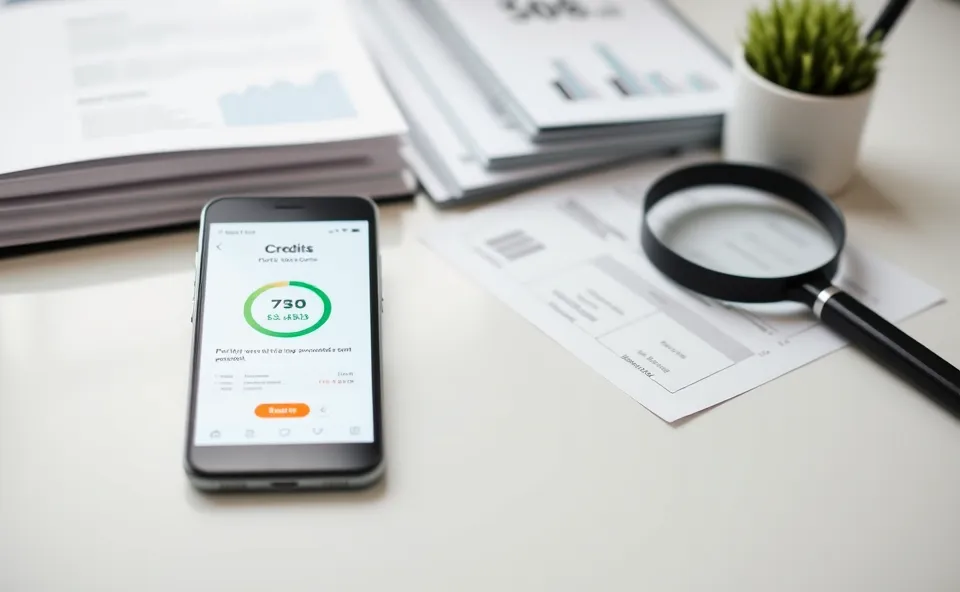
Hey there! Let’s chat about something super important for your financial well-being: your credit. You might have heard people talking more about it lately, and there’s a good reason why. Keeping an eye on your credit score and reports is a smart move, and guess what? You can totally monitor credit for free. We’re going to break down how to do it, why it matters, and what to look out for.
Why All the Buzz About Credit Health Now?
You’ve probably noticed more discussions around credit scores and reports. It’s not just a passing trend; it’s a reflection of growing awareness about how crucial good credit health is in today’s world. Life throws curveballs, and having a solid credit foundation can make a huge difference when you need it most. Think about applying for a loan, renting an apartment, or even getting certain jobs. Your credit score often plays a role. Because of this, more and more people are actively seeking ways to monitor credit for free, to stay on top of their financial picture without shelling out cash.
A Little History: How We Got Here
For a long time, getting a full picture of your credit involved either paying for it or waiting for a specific event like applying for a mortgage. The good news is that regulations have evolved, making it easier for everyone to access their financial information. This accessibility is a big deal. It means you don’t have to be a financial wizard to understand your credit report and credit score. The credit bureaus Equifax, TransUnion, and Experian, which hold this information, are now mandated to provide ways for you to review it regularly. This shift empowers individuals to take proactive control of their financial security.
What This Means for Your Financial Security
So, what does it really mean for you to monitor credit for free and keep an eye on your credit health? It’s all about empowerment and protection. When you regularly check your credit report, you’re not just looking at numbers; you’re getting a snapshot of your financial life. This habit has a few major benefits:
- Spotting Errors Early: Mistakes happen. Sometimes, incorrect information can appear on your credit report. Catching these errors quickly is vital because they can negatively impact your credit score. The sooner you spot them, the easier it is to get them corrected.
- Detecting Identity Theft: This is a big one. If you notice accounts you didn’t open or inquiries you didn’t make on your credit report, it could be a sign of identity theft. Free credit monitoring acts as an early warning system, giving you a chance to act fast to protect yourself.
- Understanding Your Borrowing Power: Your credit score is a key factor lenders use. By monitoring it, you understand how you’re perceived by lenders. This knowledge helps you know what interest rates you might qualify for on loans or credit cards, which can save you a lot of money over time.
- Building Better Financial Habits: Seeing your credit report and score regularly can be a great motivator to maintain good financial habits, like paying bills on time and keeping credit card balances low. It reinforces the positive outcomes of responsible financial behavior.
This proactive approach is the cornerstone of strong financial security. It’s about being informed and being prepared.
Looking Ahead: The Future of Credit Monitoring
The trend towards accessible credit monitoring is only likely to grow. We can expect more innovative tools and services that make it even easier for individuals to track their credit health. The focus will continue to be on providing clear, actionable insights rather than just raw data. Technology will likely play an even bigger role, perhaps with more personalized alerts and educational resources integrated into free credit check platforms. The aim is to demystify credit and make financial literacy a more widespread reality. This means better tools to monitor credit for free will be readily available, fostering greater financial control for everyone.
Frequently Asked Questions About Free Credit Monitoring
How can I monitor credit for free?
You can monitor credit for free through several reputable services. Many of these services offer regular access to your credit score and a snapshot of your credit report. Some also provide alerts for significant changes. You’re entitled to a free credit report from each of the three major credit bureaus, Equifax, TransUnion, and Experian, once a year through AnnualCreditReport.com.
What’s the difference between a credit score and a credit report?
Think of your credit report as your financial history book. It details your borrowing and repayment activity. Your credit score, on the other hand, is a three-digit number derived from the information in your credit report. This score summarizes your creditworthiness and is used by lenders to make decisions. Regularly checking both is key to understanding your credit health.
Is it safe to use free credit check services?
Yes, it is generally safe to use free credit check services offered by well-known financial institutions and credit monitoring companies. These services use secure platforms to protect your information. The key is to use services from reputable sources that clearly outline their privacy policies. Remember, the goal is to monitor credit for free, and these services are designed for that purpose.
How often should I check my credit report?
It’s a good idea to check your credit report at least once a year, especially your Annual Credit Report from the major credit bureaus. However, if you’re using a free credit monitoring service, you can often check your score and report summary more frequently, like monthly. This helps you stay on top of any changes and quickly spot potential issues like identity theft protection alerts.
What are the signs of identity theft on my credit report?
Signs of identity theft on your credit report can include accounts you don’t recognize, credit inquiries from lenders you didn’t apply to, changes to your personal information like your address or name, or collection notices for debts you didn’t incur. Being diligent and regularly reviewing your credit report is one of the best ways to catch these signs early and protect your financial security.











