

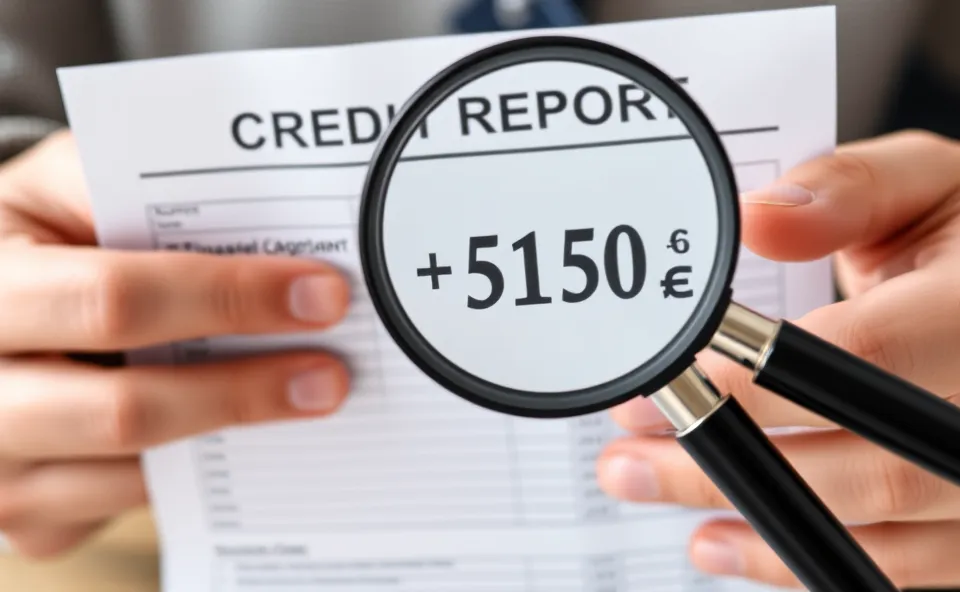
Hey there! Let’s dive into something super important for your financial life: your credit report. Think of it as your financial report card, showing lenders how responsible you’ve been with money. Understanding how to read it is a game changer, especially when you’re focusing on debt management and boosting your overall financial literacy.
Your Financial Story: What Exactly is a Credit Report?
So, what’s the deal with a credit report? It’s basically a detailed record of your borrowing and repayment history. It’s put together by credit bureaus, which are companies that collect this information from lenders like banks, credit card companies, and even some utility providers. When you apply for a loan, a mortgage, a new credit card, or even sometimes for an apartment or a job, someone will likely pull your credit report to see how creditworthy you are. It’s not just a number; it’s the story of your financial journey.
Why Everyone’s Talking About Understanding Credit Reports Now
You might be wondering why suddenly everyone seems to be talking about their credit report. In today’s world, financial stability is on everyone’s mind. With the economy being what it is, people are looking for ways to take control of their finances. Understanding your credit report is a fundamental step in that journey. It’s no longer just for people deep in debt; it’s a key tool for anyone aiming for better financial health, whether that means buying a home, getting a better interest rate on a car loan, or simply feeling more secure. This focus on personal finance guide aspects means more people are actively seeking to read credit report details to empower themselves.
A Look Back: How Did We Get Here?
The concept of credit reporting has been around for a while. In the past, getting a loan was a much more personal affair, often relying on your reputation in your community. As commerce grew and people moved around more, a standardized way to assess financial responsibility became necessary. Credit bureaus emerged to fill this need, collecting and organizing information about individuals’ credit activities. Over time, these reports became more detailed, including not just loan information but also public records like bankruptcies and collections. The rise of technology has made this process faster and more sophisticated, leading to the comprehensive credit reports we see today, playing a crucial role in modern personal finance.
What Your Credit Report Means for You
So, why should you care about what’s on your credit report? It has a huge impact on your life. A good credit report and a healthy credit score can unlock doors. It means you’re likely to get approved for loans and credit cards, and you’ll probably get lower interest rates. This saves you a ton of money over time, especially on big purchases like a house or a car. On the flip side, errors on your credit report or a history of missed payments can make it hard to get credit, or you might face much higher costs. It influences your ability to rent an apartment, get certain jobs, and even the cost of your insurance premiums. Effectively, it’s a key indicator of your financial trustworthiness.
Let’s break down what you’ll actually see when you look at your credit report:
Your Personal Information
This section is pretty straightforward. It’s where you’ll find your name, address, Social Security number, and date of birth. It’s important to make sure this is all accurate, as identity theft can lead to serious credit problems.
Credit Accounts
This is the heart of your credit report. It lists all your credit cards, loans (mortgages, auto loans, student loans), and any other lines of credit you have or have had. For each account, you’ll see:
- The name of the lender.
- Your account number (usually partially masked for security).
- The date you opened the account.
- Your credit limit or the original loan amount.
- The current balance.
- Your payment history: This is crucial! It shows if you’ve paid on time, if you’ve made late payments, and how late they were.
- Account status: Is it open, closed, paid off, or in collections?
Public Records and Collections
This section shows significant negative events that have made it into public records. This can include things like bankruptcies, foreclosures, tax liens, and civil judgments. It also lists any accounts that have been sent to a collection agency.
Credit Inquiries
Every time you apply for new credit, a lender makes a “credit check” which results in an inquiry on your report. There are two types:
- Hard inquiries: These happen when you apply for credit. Too many hard inquiries in a short period can signal to lenders that you might be a risk.
- Soft inquiries: These happen when you check your own credit report or when a company checks your credit for pre-approved offers. These don’t affect your credit score.
Your Credit Score
While not technically part of the report itself, your credit score is often provided alongside it or derived from it. It’s a three-digit number that summarizes your credit risk. Lenders use this score to quickly assess your creditworthiness. Higher scores mean you’re seen as less risky, leading to better loan terms.
Navigating Common Issues and What They Mean
Sometimes, things go wrong. You might find credit report errors, which are more common than you think. This could be anything from an incorrect balance, a payment marked late when it was on time, or even an account that isn’t yours.
Dealing with credit report errors is vital for your debt management strategy. Here’s what you can do:
- Dispute the error: If you find something wrong, you have the right to dispute it with the credit bureau and the creditor that reported the information.
- Keep good records: Save all your bills, payment confirmations, and statements. This documentation is your best friend when challenging inaccuracies.
- Monitor regularly: Make it a habit to check your credit report at least once a year. You’re entitled to a free report from each of the three major credit bureaus annually.
Understanding these sections and potential issues is a huge step in your financial literacy journey. It empowers you to take control of your financial narrative.
What Could Happen Next?
As more people understand the power of their credit report, we’ll likely see a greater emphasis on financial education. Companies might offer more tools to help consumers monitor their reports and scores. We could also see continued improvements in the accuracy and accessibility of credit information. For individuals, staying informed and proactive will be the key to leveraging their credit history for their financial goals, whether that involves managing existing debt or planning for future purchases. The focus will remain on empowering consumers with knowledge about their creditworthiness.
Frequently Asked Questions About Your Credit Report
What is the most important part of my credit report?
The payment history section is arguably the most critical part of your credit report. Lenders look very closely at whether you pay your bills on time, as it’s a strong indicator of your reliability as a borrower.
How often should I check my credit report?
It’s a good practice to check your credit report at least once a year, especially if you are actively involved in debt management. You are entitled to a free report from each of the three major credit bureaus annually. Staying updated helps you catch any errors or potential issues early.
Can I improve my credit score by reading my credit report?
Reading your credit report doesn’t directly improve your score, but understanding it is the first step to improving your score. By identifying areas for improvement, like late payments or high balances, and taking corrective action, you can positively impact your credit score over time.
What’s the difference between a credit report and a credit score?
Think of your credit report as the detailed document with all your financial history, while your credit score is a three-digit number that summarizes the information in your credit report. Your credit score is calculated based on the data found in your credit report.
How can a credit check affect my ability to get a loan?
A credit check, or credit inquiry, is how lenders assess your creditworthiness before approving a loan. A thorough review of your credit report helps them understand your credit history. A history of responsible borrowing shown on your credit report generally leads to loan approval and better terms, whereas negative information can lead to denial or higher interest rates.











