

Ever Heard of Sinking Funds? Let’s Break Them Down
Imagine this: your car suddenly decides it’s time for a major repair, or maybe that dream vacation you’ve been picturing is finally within reach. These aren’t your everyday, monthly bills. These are the big, often unexpected, or planned-for but infrequent expenses that can throw a perfectly good budget completely off track. That’s where sinking funds come in, and honestly, they are a game changer for anyone who wants to avoid the stress of debt and feel more in control of their money.
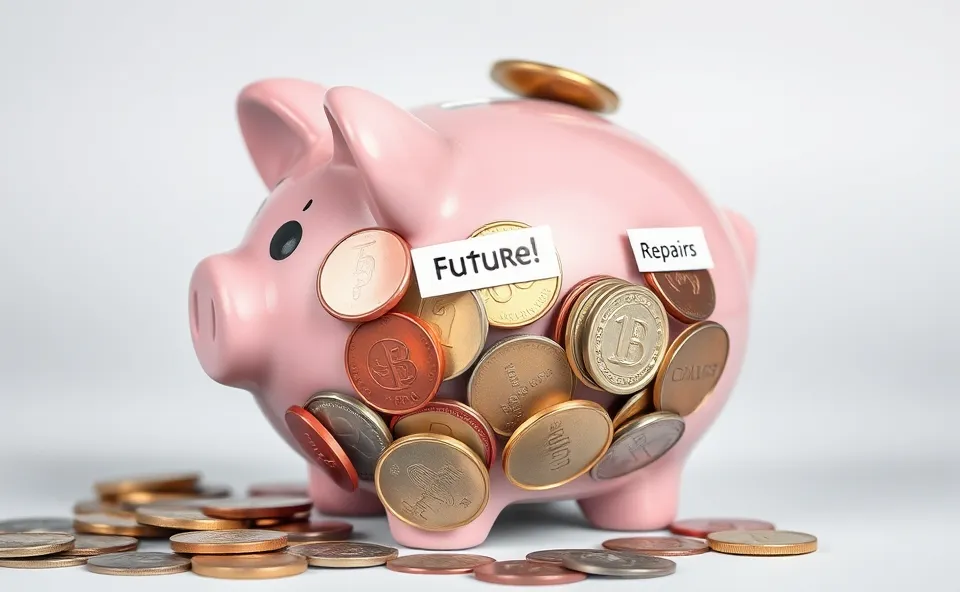
So, what exactly is a sinking fund? Think of it as a dedicated savings pot for a specific, larger expense that you know is coming down the road, or one that pops up from time to time. Instead of scrambling when that expense hits, you’re calmly taking money out of a fund you’ve been steadily building. It’s like having a special piggy bank just for your car repairs, your new roof, or that big holiday celebration. You decide what the fund is for, how much you need, and then you set up a plan to save a little bit each month until you get there. It’s a proactive approach to managing your money and saving for big expenses.
Why the Buzz Around Saving for Big Expenses?
It feels like everyone is talking about sinking funds right now, and there’s a good reason for that. In today’s world, financial stability feels more important than ever. People are looking for practical, actionable budgeting tips to help them navigate rising costs and unpredictable events. The traditional advice of just having an emergency fund is great, but it often doesn’t cover the planned large purchases or the not-quite-an-emergency but still significant household expenses. Sinking funds offer a specific solution to this gap. They empower individuals and families to prepare for specific financial goals, from replacing an aging appliance to funding a child’s education or simply taking a much-needed vacation. This focus on proactive saving and avoiding debt resonates deeply with people aiming for debt-free living and improved money management.
A Little History on Smart Money Moves
The concept behind sinking funds isn’t exactly new; it’s a tried-and-true method of financial planning that has been used by businesses for ages to manage large capital expenditures. Think about it: a company doesn’t suddenly come up with millions for a new factory. They set aside money over time. We’re just applying that same smart logic to our personal finances. For individuals, it represents a shift from reactive debt accumulation to proactive saving. Before credit cards and readily available loans were so common, people were often forced to save up for larger purchases because the alternatives were limited. Now, with the ease of instant gratification, sinking funds serve as a deliberate and disciplined way to reclaim that foresight and build a more secure financial future, ensuring you can save for big expenses without relying on high-interest debt.
What Sinking Funds Mean for Your Wallet and Your Peace of Mind
The impact of using sinking funds is pretty profound, and it touches on almost every aspect of personal finance. Firstly, and most importantly, it’s your shield against debt. When a big expense like a new washing machine or an annual insurance premium arrives, you simply tap into your dedicated fund. No frantic credit card swiping, no stressful borrowing. This alone significantly reduces financial anxiety and contributes to a feeling of security. It also vastly improves your cash flow management. By consistently setting aside small amounts, you prevent large, unexpected dents in your monthly budget. This makes budgeting tips feel less like a chore and more like a roadmap to your goals. For businesses, understanding this trend among consumers means recognizing a demand for products and services that align with a more planned, debt-averse purchasing behavior. It highlights the desire for predictable financial outcomes and supports the overall goal of debt-free living.
Beyond avoiding debt, sinking funds are incredibly effective for achieving specific saving goals. Want to travel the world? Need to replace your car? Planning for a major home renovation? Each of these can become a sinking fund. This compartmentalization makes your saving goals feel more tangible and less overwhelming. You’re not just saving a vague amount; you’re saving for that specific thing. This clarity can be a huge motivator. Moreover, it promotes a healthier relationship with money, moving away from a scarcity mindset to one of abundance and preparation. It teaches patience and discipline, valuable skills that extend far beyond just managing money.
What’s Next on the Horizon for Smart Savers?
Looking ahead, we can expect the popularity of sinking funds to continue to grow. As economic uncertainty persists and people become more aware of the pitfalls of debt, the appeal of a structured, proactive approach to saving for big expenses will only increase. We might see more sophisticated tools and apps emerge to help individuals set up and track their various sinking funds, making the process even more seamless. Financial literacy programs are likely to incorporate sinking funds more prominently, recognizing them as a fundamental building block for sound financial planning. This trend signifies a broader shift towards intentionality in personal finance, where individuals are actively designing their financial lives rather than just reacting to them. It’s about building resilience, achieving dreams, and living a more peaceful, debt-free life.
Frequently Asked Questions About Sinking Funds
What is a sinking fund and how does it help save for big expenses?
A sinking fund is essentially a dedicated savings account you set up to accumulate money for a specific, usually large or infrequent, expense. Instead of having to borrow money or drain your emergency fund when a big purchase or bill comes up, you’ve already saved the cash in your sinking fund. This way, you save for big expenses gradually, making them manageable and preventing debt.
What are common sinking fund categories?
Common sinking fund categories include saving for a new car, home repairs or renovations, annual insurance premiums, holiday gifts, vacations, medical expenses not covered by insurance, and even saving for a down payment on a house. Basically, if it’s a significant expense that doesn’t occur monthly, it can be a sinking fund category. Good money management involves identifying these potential costs.
How do sinking funds differ from an emergency fund?
While both are forms of saving, an emergency fund is for unexpected, urgent situations like job loss or a major medical emergency. A sinking fund, on the other hand, is for planned or predictable large expenses. You know a new roof will likely be needed eventually, so you create a sinking fund for it. An emergency fund is for the truly unforeseen. Both are vital for financial planning.
What are the benefits of using sinking funds for debt-free living?
Sinking funds are a cornerstone of debt-free living because they eliminate the need to borrow for large purchases. By saving consistently, you avoid high-interest payments that keep you trapped in debt cycles. This proactive approach to saving for big expenses ensures you can cover costs without taking on new loans, freeing up your cash flow and giving you greater financial freedom and peace of mind.
How can I start setting up sinking funds as part of my budgeting tips?
To start, identify your predictable large expenses. Estimate the cost and the timeframe you have to save. Then, calculate how much you need to set aside each month. Open separate savings accounts or use a budgeting app feature to track each fund. Regularly transfer that amount from your checking to your sinking fund. This consistent saving is key to mastering your money management and achieving your saving goals.











