

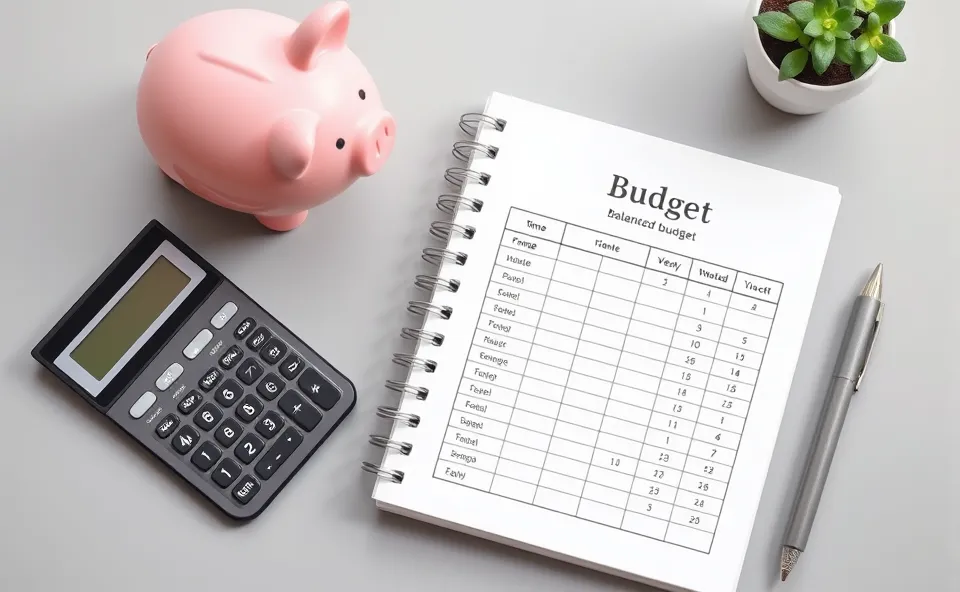
Ever feel like your money just disappears? You get paid, and before you know it, it’s gone. If that sounds familiar, you’re not alone. Many people struggle with understanding where their money goes. That’s where a powerful tool called zero-based budgeting comes in. It’s a method that can transform your personal finance by making you super intentional with every dollar. Think of it as giving every single dollar a job to do, so nothing is left unassigned.
What Exactly is Zero-Based Budgeting?
So, what’s the big idea behind zero-based budgeting? It’s pretty straightforward, really. Instead of looking at last month’s spending and adjusting, you start from scratch, or zero, every single month. Your income minus your expenses should equal zero. That means every dollar you earn has a purpose, whether it’s for bills, savings, debt repayment, or even a bit of fun money. It’s like a budget planner that forces you to be honest about your money management goals.
Why is Everyone Talking About How to Budget This Way Now?
You might be wondering why zero-based budgeting is trending right now. In today’s world, with rising costs and economic uncertainty, people are more focused than ever on taking control of their personal finance. We’re all looking for ways to achieve financial freedom, and understanding how to budget effectively is a huge part of that. Zero-based budgeting offers a clear, structured path to identify spending patterns, cut costs, and consciously direct money towards what truly matters. It’s a proactive approach to money management that resonates when people want to feel more secure.
A Quick Look Back: Where Did This All Come From?
While it sounds very modern, the concept of zero-based budgeting isn’t exactly new. It actually got its start in the business world back in the 1970s. A fellow named Peter Pyhrr developed it to help companies justify every expense. Instead of just rolling over the previous year’s budget, managers had to explain why they needed each item. This rigorous approach helped businesses find significant cost cutting opportunities. Over time, people realized this powerful method could be adapted for personal finance, giving individuals the same level of control over their household budgets.
The Impact: What Does This Mean for Your Wallet?
Implementing zero-based budgeting can have a significant impact on your financial well-being. For starters, it brings unparalleled clarity. You’ll know exactly where every dollar is going. This awareness is the first step to making smarter spending decisions. It can help you identify areas where you might be overspending without realizing it, making cost cutting much easier. Furthermore, by assigning funds to savings and debt repayment each month, you’re actively working towards your financial freedom goals. It moves you from a passive observer of your finances to an active driver, which is incredibly empowering.
Here’s what you can expect:
- Increased Awareness: You’ll develop a much deeper understanding of your spending habits.
- Better Control: You decide where your money goes, rather than letting it disappear.
- Faster Goal Achievement: By allocating funds for savings and debt, you reach your financial milestones quicker.
- Reduced Financial Stress: Knowing you have a plan can significantly ease money worries.
- Identification of Waste: It becomes easier to spot unnecessary expenses and implement cost cutting.
Looking Ahead: What’s Next for Your Budget?
The future of zero-based budgeting, for individuals, is about integration and refinement. As more people adopt this method, expect to see a rise in user-friendly budget planner apps and tools that simplify the process. These tools will likely offer more sophisticated expense tracking features, helping users refine their budgets even further. For those committed to this approach, the ongoing impact is continued financial discipline, greater resilience against unexpected expenses, and a more direct route to achieving long-term financial freedom. It’s a sustainable way to manage your money that builds good habits over time.
Frequently Asked Questions about Zero-Based Budgeting
What is a zero-sum budget and how is it different from zero-based budgeting?
A zero-sum budget is essentially the same concept as zero-based budgeting. The term “zero-sum” highlights the core principle that your income minus all your planned expenses, savings, and investments should equal zero. This means every single dollar is accounted for, leaving no room for unplanned or unallocated spending. It’s all about ensuring every dollar has a job.
How can I start using zero-based budgeting with a monthly budget template?
To start using zero-based budgeting with a monthly budget template, begin by listing all your income sources for the month. Then, list all your fixed expenses like rent or mortgage, utilities, and loan payments. Next, estimate your variable expenses like groceries, transportation, and entertainment. Crucially, allocate specific amounts to savings, investments, and debt repayment. The goal is to make your total income equal your total expenses and allocations, resulting in zero. Many free monthly budget templates are available to help you get organized.
What are the main benefits of zero-based budgeting for personal finance?
The main benefits of zero-based budgeting for personal finance are increased financial awareness and control. By assigning every dollar a purpose, you gain a crystal-clear view of your spending. This allows you to identify areas of overspending, make conscious choices about where your money goes, and actively work towards savings goals or debt reduction. It’s a powerful tool for achieving financial freedom and improving overall money management.
Can zero-based budgeting help with cost cutting?
Absolutely. Zero-based budgeting is an excellent method for cost cutting. Because you have to justify every expense, you are naturally prompted to scrutinize your spending. When you see exactly how much you are allocating to different categories, you are more likely to find areas where you can reduce spending without significant impact on your lifestyle. This conscious allocation makes identifying and implementing cost cutting measures much more effective than traditional budgeting methods.
What are some tips for beginners to track every dollar effectively with zero-based budgeting?
For beginners looking to track every dollar effectively with zero-based budgeting, consistency is key. Start by using an expense tracking app or a simple spreadsheet to record every transaction, no matter how small. Be realistic with your budget estimates; it’s better to overestimate slightly than underestimate and run short. Review your budget regularly, at least weekly, to catch any discrepancies and make adjustments. Don’t get discouraged if you overspend in a category; simply reallocate funds from another flexible category to cover it. The more you practice, the better you’ll become at money management.











