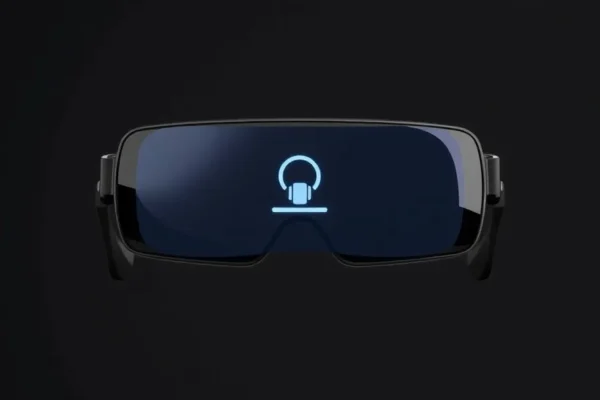
Meet the HTC Vive Eagle Smart Glasses: Your Private Window to the Digital World?
Ever feel like your tech is watching you back? In a world where smart devices are everywhere, privacy can feel like a luxury. That’s where the HTC Vive Eagle smart glasses aim to step in. These aren’t your grandma’s spectacles; they’re designed to blend augmented reality (AR) capabilities with a strong emphasis on keeping your personal data yours. Think of them as a wearable screen for your digital life, but with a focus on privacy that sets them apart. For anyone curious about the future of wearable tech and concerned about how their data is handled, HTC’s smart glasses are worth a look.
What Can HTC Vive Eagle Smart Glasses Actually Do for You?
Imagine walking down the street and seeing directions overlaid on the real world, or getting notifications without pulling out your phone. The HTC Vive Eagle smart glasses are built for exactly this kind of seamless integration of digital information into your daily life. They project information directly into your field of view, offering a hands-free way to stay connected and informed.
Let’s picture some real-world scenarios:
- The Busy Parent: You’re juggling groceries, a toddler, and a dog. Your phone rings, but you can’t answer it. With the Vive Eagle, you can discreetly see who’s calling and even read a text message without fumbling for your device. It’s like having a helpful assistant who can show you what you need, when you need it.
- The Tech-Savvy Traveler: Navigating a new city can be overwhelming. The Vive Eagle could display a virtual map directly in front of you, guiding you turn by turn. Imagine seeing virtual arrows pointing the way to your hotel or the nearest train station, all while keeping your hands free to manage luggage. It feels like the future of navigation, straight out of a sci-fi movie.
- The Home Organizer: You’re trying to keep track of multiple schedules, grocery lists, and to-do items. The Vive Eagle can display your family’s calendar or your shopping list right before your eyes. This means fewer forgotten items at the store and a clearer overview of your day, without cluttering your countertops with sticky notes.
Who Should Be Looking at These HTC Smart Glasses?
Best for: Privacy-Conscious Early Adopters. If you’re excited about augmented reality and wearable tech but are wary of the data collection practices of some big social media platforms, the HTC Vive Eagle’s privacy-first approach is its biggest draw. This is for people who want to dip their toes into smart eyewear without feeling like they’re broadcasting their every move.
Good for: Professionals and Frequent Travelers. Anyone who benefits from hands-free access to information – think logistics managers, field technicians, or even just someone who spends a lot of time on the go – will find practical uses. The ability to get notifications and information without interrupting your workflow or activities is a significant advantage.
Skip if: You’re Looking for a Full Virtual Reality Experience. While HTC is known for its VR headsets, the Vive Eagle is primarily an AR device. It augments your reality, it doesn’t fully replace it. If you’re hoping for a deep dive into the metaverse or immersive gaming, you’ll want to look at dedicated VR headsets instead. Also, if you’re on a tight budget, the cutting edge often comes with a premium price tag.
How Does HTC Vive Eagle Stack Up Against Meta’s Offerings?
The most direct comparison in the consumer smart glasses space is often Meta’s Ray-Ban Stories. While both offer wearable tech, their approaches differ significantly.
Meta’s Ray-Ban Stories, in partnership with Ray-Ban, focus more on everyday camera and audio features. They let you take photos and videos, listen to music, and take calls, all with a fashionable design. However, they’ve faced scrutiny regarding their privacy features, with concerns about the always-on camera and data collection practices.
The HTC Vive Eagle, on the other hand, positions itself as a “private smart glasses” alternative. Its core differentiator is its commitment to keeping your data local or under your control. While Meta’s approach is about integrating with their existing social ecosystem, HTC’s seems to be about providing a personal, private digital overlay.
Key Differences:
- Privacy Focus: HTC Vive Eagle emphasizes data privacy, aiming for local processing where possible. Meta’s Ray-Ban Stories have faced more questions about data handling and integration with Facebook.
- AR Capability: The Vive Eagle is designed with more robust augmented reality features in mind, aiming to overlay more complex information. Ray-Ban Stories are more about casual media capture and audio.
- Design: Ray-Ban Stories lean heavily into classic eyewear aesthetics. The Vive Eagle’s design, while evolving, is more geared towards functionality and housing AR components.
Price Value:** Historically, HTC’s VIVE products have been on the higher end, catering to enthusiasts and professionals. Meta’s Ray-Ban Stories are positioned more as a lifestyle product with a price that reflects that. If privacy is your absolute top priority and you want more advanced AR, the Vive Eagle might justify a higher cost for you. If style and basic smart features are enough, Meta’s offering could be more accessible.
Getting Started with HTC Vive Eagle Smart Glasses
Setting up the HTC Vive Eagle is generally designed to be as straightforward as possible for a piece of advanced technology. You’ll likely unbox the glasses, charge them, and then pair them with your smartphone via a dedicated app. This app is your command center, where you’ll manage settings, customize notifications, and potentially download AR applications.
For most users, the learning curve should be manageable. Think of it like getting a new smartphone or smartwatch. There will be an initial period of familiarization as you learn what the glasses can do and how to interact with them – perhaps through voice commands, subtle gestures, or on-screen menus. It’s not as simple as putting on a pair of regular glasses, but it’s far from requiring an engineering degree. Most published reviews suggest that the user interface is intuitive once you get the hang of it. The key is patience and a willingness to explore the features.
What’s Genuinely Great About These Smart Glasses
- Privacy by Design: This is the headline feature. Knowing that your personal data isn’t being extensively harvested and fed into a social media algorithm is a huge relief for many. It works like a personal digital assistant that respects your boundaries.
- Augmented Reality Integration: The ability to see digital information overlaid on your surroundings without needing to pull out your phone is incredibly convenient for navigation, notifications, and even hands-free task management. It feels like a seamless blend of your digital and physical worlds.
- Hands-Free Convenience: For busy individuals, the ability to access information and communicate without using your hands is a game-changer. Whether you’re cooking, exercising, or working, it keeps you connected without interruption.
- Potential for Future Development: As a platform, the Vive Eagle opens the door for future AR applications and experiences, suggesting long-term utility beyond immediate features.
The Not-So-Shiny Side: Downsides and Limitations
- Battery Life Concerns: Like many advanced wearable devices, battery life can be a limitation. Expect to charge them daily, especially with heavy AR use. This means you can’t just put them on and forget about them for days.
- Design vs. Functionality Trade-offs: While HTC is working on making them more stylish, advanced AR glasses can sometimes look bulkier or less fashionable than traditional eyewear. This might be a barrier for some users who prioritize aesthetics.
- Limited App Ecosystem (Currently): As with many new technologies, the range of specialized AR apps might be limited at launch. You’re relying on developers to create compelling experiences for the platform.
- Potential for Distraction: While convenient, seeing digital information can also be distracting, especially in complex environments. It requires a conscious effort to focus on what’s important.
Price, Value, and If It’s Worth Your Money
The HTC Vive Eagle smart glasses are positioned as a premium product. While exact pricing can vary and is subject to change, expect them to be a significant investment, likely in the range of several hundred dollars, similar to other high-end consumer electronics or VR headsets.
Is it worth the price? For the target audience – those prioritizing privacy and interested in cutting-edge AR – it could be. If you’re a tech enthusiast who wants to experience the latest in smart eyewear with a strong privacy promise, the value proposition is there. However, if you’re looking for a simple notification device or a fashion accessory, there are more affordable Meta alternatives or even smartwatches that might suffice.
There might be additional costs for premium AR applications or accessories that enhance functionality. Currently, there aren’t many budget alternatives that offer the same blend of AR capabilities and privacy focus as the HTC Vive Eagle.
The Final Word: Should You Buy the HTC Vive Eagle Smart Glasses?
The HTC Vive Eagle smart glasses are an exciting step forward for private smart eyewear. If you’re someone who has been intrigued by augmented reality but has serious concerns about how companies like Meta handle your data, this is a compelling alternative. Its focus on privacy, combined with practical AR features for navigation and notifications, makes it a standout option for early adopters and privacy-conscious tech enthusiasts.
However, if battery life concerns or a desire for more fashion-forward designs are paramount, you might want to wait or consider other options. The Vive Eagle is best suited for those who want to embrace the future of wearable tech while keeping their digital footprint secure.
Common Questions About HTC Vive Eagle Smart Glasses
What are the main privacy features of the HTC Vive Eagle smart glasses?
The HTC Vive Eagle smart glasses are designed with privacy at their core, aiming to process data locally on the device whenever possible, reducing the need to send extensive personal information to cloud servers. This approach helps protect your personal information from broad data collection.
How do HTC Vive Eagle smart glasses compare to Meta’s smart glasses like the Ray-Ban Stories?
While Meta’s Ray-Ban Stories focus on casual photo/video capture and audio features with a stylish design, the HTC Vive Eagle emphasizes augmented reality capabilities and a stronger commitment to data privacy, making it a different kind of smart eyewear experience.
What are some practical uses for HTC Vive Eagle smart glasses in daily life?
You can use them for hands-free navigation with overlaid directions, discreetly viewing notifications like calls and texts, managing to-do lists, or accessing information without needing to take out your phone, which is especially useful when your hands are busy.
What is the battery life like on the HTC Vive Eagle smart glasses?
Like many advanced smart glasses, battery life is a consideration. Expect to charge them daily, especially with continuous use of augmented reality features. Real-world usage will significantly impact how long a single charge lasts.
Is the HTC Vive Eagle a virtual reality (VR) or augmented reality (AR) device?
The HTC Vive Eagle is primarily an augmented reality (AR) device. It overlays digital information onto your real-world view rather than fully immersing you in a virtual environment like a VR headset does.
Where can I buy the HTC Vive Eagle smart glasses?
Availability can vary by region, but typically you would look for them through HTC’s official website, authorized electronics retailers, and potentially online marketplaces. It’s best to check HTC’s official channels for the most up-to-date purchasing information.
Product prices and availability vary by region. Verify current pricing before purchase.