

Making Your Old Lights Smart Has Never Been Easier
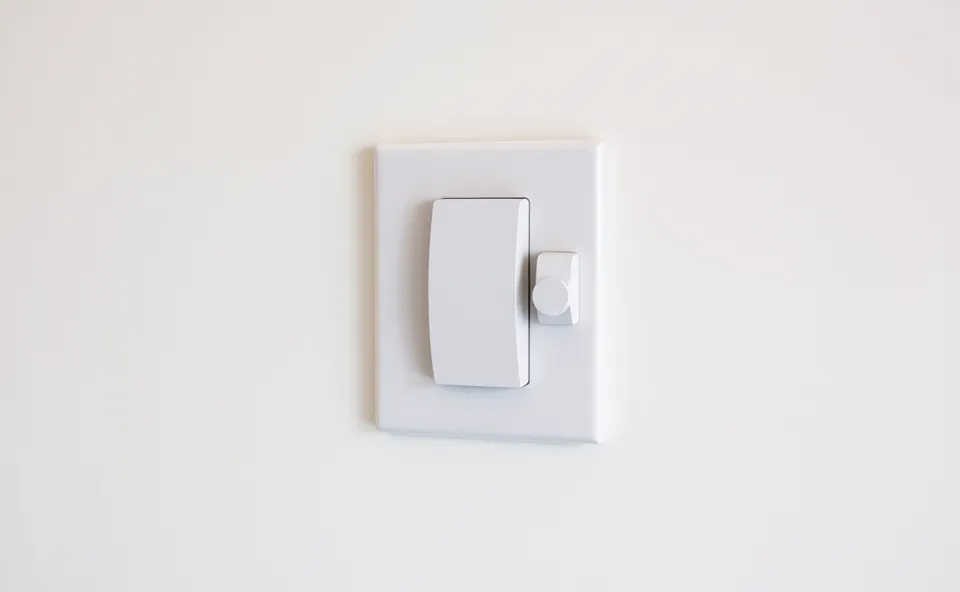
You know Philips Hue, right? They’ve been busy revolutionizing our homes with smart lighting for years. Well, they’ve just rolled out something pretty cool that might just change how we think about upgrading our homes to smart lighting. Imagine this: you love your existing light fixtures, maybe a classic pendant light or a stylish floor lamp that’s been with you forever. Until now, if you wanted to bring those lights into the Philips Hue ecosystem, you’d have to replace the bulbs with Hue’s smart ones. But Philips Hue is changing the game with their new wired wall modules. These clever little devices let you integrate your non-smart lights directly into the Philips Hue system, all without needing to swap out every single bulb.
This is a big deal because it means you can enjoy the convenience and ambiance of smart lighting – think mood settings, schedules, and voice control – even with the lights you already have. It’s like giving your favorite old lamps a brand new, smart brain. Plus, they’re also dropping some new, more affordable lamps and upgrading their popular candle bulbs, making the Philips Hue smart lighting experience more accessible and versatile than ever.
Why Everyone’s Talking About This Now
So, why is this suddenly a hot topic? It’s all about accessibility and choice. For ages, the path to smart lighting meant one of two things: either buying entirely new smart fixtures or, more commonly, replacing every single bulb with a smart one. This could get expensive, especially if you have a lot of lights in your home. People have been asking for a way to make their existing, favorite lights smart without the fuss or the big price tag. The introduction of these Philips Hue wired wall modules directly addresses this widespread desire. It taps into a growing trend of people wanting to upgrade their homes incrementally, rather than undertaking a complete overhaul. They want the benefits of smart technology but don’t want to discard perfectly good, aesthetically pleasing light fixtures.
The timing also feels right. As more people embrace the smart home, the limitations of older systems and the desire for more integration become apparent. Philips Hue, a leader in the smart lighting space, is responding to consumer demand for more flexible and budget-friendly solutions. The fact that this is rolling out in Europe first also adds a layer of anticipation for other regions. It shows a strategic approach to market expansion and product development, making it a significant talking point among smart home enthusiasts and tech observers.
A Little Background on the Hue Journey
To truly appreciate what Philips Hue is doing now, it helps to look back a bit. Philips Hue, a brand of Signify, first burst onto the smart lighting scene with a simple premise: make your lights controllable from your phone. Initially, this meant dedicated Hue bulbs that screwed into your existing sockets. The magic happened through a bridge that connected to your home network, allowing you to control your lights remotely. Over time, the system grew. We saw new types of bulbs, light strips, outdoor lights, and even smart accessories like motion sensors and dimmer switches.
The goal was always to create an immersive and intuitive smart lighting experience. George Yianni, a prominent figure at Philips Hue, has often spoken about the philosophy of making smart home technology feel natural and unobtrusive. The introduction of Matter, a new smart home standard, has also been a big driver for innovation. Matter aims to make different smart home devices work together seamlessly, regardless of brand. Philips Hue has been a strong proponent of Matter, and this new push with wired modules and improved bulbs aligns perfectly with that vision of a more connected and open smart home. It’s a natural evolution from just smart bulbs to a more integrated approach that respects existing home infrastructure.
What This Means for Your Home and Beyond
The implications of these new Philips Hue wired wall modules are pretty exciting for homeowners. Firstly, and most obviously, it dramatically lowers the barrier to entry for smart lighting. If you have beautiful lamps that you love but aren’t smart, you don’t need to replace them anymore. You can simply install a wired wall module behind your existing switch, and voilà, your lights are now controllable by the Hue app, voice assistants, or automated routines. This means more flexibility in how you build your smart home, allowing you to mix and match new smart devices with your cherished existing ones.
Think about the possibilities for mood lighting. You can set the perfect ambiance for movie nights, dinner parties, or quiet evenings without having to buy a whole new set of lamps. The upgraded candle bulbs are also a nice touch, offering that warm, flickering glow of traditional candles but with the smart control and energy efficiency of LED. This makes them perfect for adding character to existing fixtures or for creating cozy atmospheres. For Signify, this move could mean capturing a larger segment of the smart home market by offering solutions that cater to a wider range of budgets and preferences. It’s about making smart lighting less about replacing everything and more about enhancing what you already have. The focus on Matter-over-Thread compatibility also positions these new products for a future where interoperability is key.
Looking Ahead: What’s Next for Smart Lighting
So, what’s on the horizon? With Philips Hue now offering ways to integrate non-smart lights, we can expect to see even more innovative solutions that bridge the gap between traditional home fixtures and smart technology. The success of these wired wall modules, especially if they become available beyond Europe, could pave the way for similar integrations for other types of lighting controls. We might see more focus on making complex installations simpler for the average user, reducing the need for specialized electricians for basic smart home upgrades.
The continued push towards standards like Matter suggests a future where your smart home devices, regardless of brand, will work together more harmoniously. Philips Hue is clearly positioning itself to be a central player in this evolving landscape. We could also see more budget-friendly options emerge across their entire product line, making smart lighting a more mainstream choice. The focus on user experience, championed by people like George Yianni, will likely lead to even more intuitive and seamless ways to control our home environments. It’s an exciting time for smart homes, and Philips Hue is clearly leading the charge with practical, user-focused innovations.
Your Smart Lighting Questions, Answered
What exactly are Philips Hue wired wall modules?
Philips Hue wired wall modules are devices that you install behind your existing light switches. They allow you to connect non-smart light fixtures to the Philips Hue smart lighting system, enabling control through the Hue app, voice commands, and automated routines without needing to replace the bulbs in those fixtures.
Can I use these new Philips Hue modules with any light switch?
The wired wall modules are designed to work with existing electrical wiring and standard light switches. While they aim for broad compatibility, it’s always a good idea to check the specific product details or consult with an electrician if you have any doubts about your home’s setup.
Are the new affordable lamps from Philips Hue fully smart?
Yes, the new affordable lamps are designed to be part of the Philips Hue ecosystem, offering smart lighting features. This means they can be controlled through the Philips Hue app, integrated with voice assistants, and programmed with schedules, providing a more accessible entry point into smart lighting.
What makes the new candle bulbs different?
The upgraded candle bulbs likely offer enhancements in terms of brightness, color accuracy, energy efficiency, or improved connectivity, such as Matter-over-Thread support. They are designed to mimic the look of traditional candle bulbs while providing the smart control and versatility expected from Philips Hue products.
Will Philips Hue wired wall modules be available globally?
Currently, the Philips Hue wired wall modules are launching in Europe. While Philips Hue has a global presence, the availability of new products in other regions often follows after an initial launch. Keep an eye on official Philips Hue announcements for updates on international availability.











