

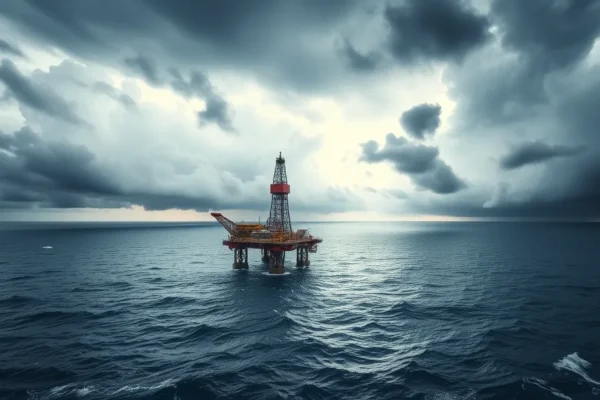
Understanding How Storms Disrupt Energy Production
Imagine your local grocery store has a special delivery day for all its fresh produce. Now, picture a huge storm hitting the region right before that delivery. The trucks can’t get through, the roads are flooded, and the farmers might not be able to harvest their crops. Suddenly, your favorite fruits and vegetables aren’t available, and the prices might even go up because there’s less to sell. This is a simple way to think about how major weather events can disrupt the production of essential goods, like oil and natural gas.
Oil and gas production is a complex process. It involves finding and extracting resources, processing them, and then transporting them to where they are needed. These operations often happen in specific locations, and sometimes these locations are vulnerable to natural disasters. When a severe weather event occurs, it can interrupt every step of this chain, from the initial extraction to the final delivery. Understanding these disruptions is important because energy is a fundamental part of our economy and affects everything from the cost of heating our homes to the price of gasoline at the pump.
The Impact of Hurricane Isaias on Gulf Coast Energy
Hurricane Isaias, which hit the U.S. East Coast in early August 2020, serves as a real-world example of how extreme weather can impact the energy sector, particularly in regions like the Gulf Coast. While much of the direct impact was felt further north, the hurricane’s path and associated weather systems had consequences for oil and gas production activities in states like Florida, Alabama, Georgia, and Mississippi, which are part of the broader Gulf Coast region and have varying degrees of involvement in the energy supply chain.
When a hurricane approaches, energy companies often take preemptive measures to protect their infrastructure and personnel. This can involve shutting down offshore platforms, temporarily halting production at refineries, and securing pipelines. For instance, in anticipation of Isaias, some offshore oil and gas operations in the Gulf of Mexico were temporarily suspended. This shutdown is a critical step to prevent damage and ensure safety, but it directly leads to a pause in the production of oil and gas. Think of it like a factory temporarily closing its doors when a severe storm warning is issued to keep its workers and machinery safe.
The storm’s impact isn’t just limited to offshore activities. Inland production facilities, processing plants, and crucial transportation networks like pipelines and ports can also be affected by high winds, heavy rainfall, and potential flooding. While Florida, Alabama, Georgia, and Mississippi might not be the primary oil and gas extraction hubs compared to Louisiana or Texas, they play roles in processing, refining, and distributing energy products. A disruption in these areas, even if indirect, can contribute to broader supply concerns. For example, if a key pipeline or storage facility experiences damage or operational delays due to the storm’s aftermath, it can affect the availability of refined products like gasoline in these states.
Why These Disruptions Matter to Your Finances
When the supply of oil and gas is reduced, even temporarily, it can have a ripple effect on consumer prices. This is a fundamental economic principle known as supply and demand. When demand for a product remains high, but the supply is suddenly limited due to a storm impact, prices tend to rise.
For individuals, this can mean paying more for gasoline at the pump. It can also translate into higher heating or cooling costs depending on the season, as natural gas and electricity prices can be influenced by the availability of fuel. Businesses also feel the pinch; higher energy costs can lead to increased operating expenses, which may be passed on to consumers in the form of higher prices for goods and services. This phenomenon is a key driver of inflation, which is a general increase in prices and a fall in the purchasing value of money. Understanding how events like Hurricane Isaias can influence energy prices helps people anticipate potential changes in their household budgets and make more informed spending decisions. For instance, during periods of anticipated energy supply disruption, consumers might consider ways to reduce their energy consumption or explore alternative transportation options.
From an economic perspective, significant disruptions to the energy sector can impact national energy security and economic stability. The U.S. energy sector is a massive part of the economy, providing jobs and contributing to Gross Domestic Product (GDP). Extended production halts can lead to job losses in affected areas and reduce overall economic output.
The Evolving Landscape of Hurricane Preparedness in the Energy Sector
The energy sector has a long history of dealing with the impacts of hurricanes, particularly in regions like the Gulf Coast. Over the decades, as hurricane seasons have become more intense and destructive, companies have invested heavily in understanding weather patterns, strengthening infrastructure, and developing robust emergency response plans. This evolution is driven by both economic necessity and regulatory pressure.
The 2020 hurricane season, for example, was one of the most active on record, with numerous storms making landfall. This heightened activity brought renewed focus on the resilience of the energy sector. Data from the National Oceanic and Atmospheric Administration (NOAA) consistently tracks hurricane activity, providing critical information for forecasting and preparedness. For instance, according to NOAA’s National Hurricane Center, the 2020 Atlantic hurricane season produced a record-breaking 30 named storms, with 12 making landfall in the continental United States. This level of activity necessitates continuous adaptation by the energy sector.
The response to events like Hurricane Isaias is not static. It involves a continuous cycle of assessment, learning, and improvement. Companies analyze the effectiveness of their shutdown procedures, the resilience of their infrastructure against specific storm intensities, and the efficiency of their restoration efforts. This ongoing process aims to minimize the duration and severity of production disruptions and their downstream economic consequences.
Navigating Information During Energy Supply Disruptions
When news of a significant storm impacting energy-producing regions like the Gulf Coast emerges, it’s helpful to understand how to interpret the information and what it might mean for your finances. One common misconception is that any storm immediately leads to gas shortages or massive price hikes. While disruptions are real, the energy sector has become quite adept at managing these events.
Companies monitor weather forecasts closely and often begin shutting down non-essential operations well before a storm makes landfall. This proactive approach helps to minimize damage and speed up the return to normal operations. The impact on prices often depends on the scale and duration of the disruption, as well as the overall supply situation at the time. For example, if the overall energy supply is already tight globally, a regional disruption might have a more pronounced effect than if there is ample supply.
What to watch for when this topic appears in the news:
- Scale of Disruption: Is production being halted in major oil or gas producing regions, or are the impacts more localized to processing or distribution centers?
- Duration of Outages: How long are facilities expected to be offline? Short-term shutdowns have less impact than extended ones.
- Inventory Levels: What are the current levels of crude oil, natural gas, and refined products in storage? Higher inventories can buffer against supply disruptions.
- Company Preparedness: Reports often detail the measures energy companies are taking, which can give insight into expected recovery times.
An actionable insight for consumers is to stay informed through reliable sources like government energy agencies (e.g., the U.S. Energy Information Administration) and to be aware of general energy market trends. This awareness can help in making more informed decisions about energy consumption and budgeting.
Connecting Storm Impacts to Broader Economic Concepts
The impact of natural disasters on the oil and gas production is intrinsically linked to several broader economic and financial concepts. Understanding these connections can provide a more complete picture.
One key concept is commodity pricing. Oil and natural gas are commodities, meaning they are raw materials or primary agricultural products that can be bought and sold. Their prices are highly sensitive to global supply and demand dynamics, as well as geopolitical events and, of course, natural disasters. Understanding commodity pricing helps explain why events affecting the supply chain can lead to price volatility.
Another related concept is infrastructure risk. Energy production relies on vast networks of physical infrastructure, from offshore platforms and pipelines to refineries and power plants. These assets are susceptible to damage from extreme weather, and the cost of repairing or replacing them can be substantial, impacting the long-term cost of energy.
Furthermore, the resilience of the energy sector supply chain is a critical consideration. This refers to the entire network of companies and processes involved in bringing energy from its source to the consumer. Disruptions at any point in this chain, whether at Hurricane Isaias’s impact sites or elsewhere, can affect the final availability and price of energy. Understanding the energy sector supply chain helps to appreciate the interconnectedness of global energy markets.
Frequently Asked Questions About Hurricane Isaias and Energy Production
Here are some common questions people have about how events like Hurricane Isaias affect oil and gas production and what it means for consumers:
How does Hurricane Isaias affect oil and gas production in the Gulf Coast?
Hurricane Isaias led to temporary shutdowns of offshore oil and gas platforms and potential disruptions to processing and transportation in coastal areas. This storm impact reduces the immediate supply of energy products in the region and can have wider market effects.
Can hurricanes cause long-term damage to oil and gas infrastructure?
Yes, severe hurricanes can cause significant damage to offshore platforms, pipelines, refineries, and other energy infrastructure. The extent of the damage determines the duration of the production disruption and the cost of repairs.
How does the storm impact on energy supply affect gasoline prices?
When oil and gas production is disrupted, it can reduce the supply of refined products like gasoline. If demand remains constant, this shortage can lead to higher prices at the pump, reflecting the immediate storm impact on the market.
What are the financial implications for energy companies after a hurricane?
Energy companies face costs associated with shutting down operations, repairing damaged infrastructure, and lost production revenue. However, they also invest in preparedness measures and insurance to mitigate these financial risks.
How do states like Florida, Alabama, Georgia, and Mississippi experience the storm impact on the energy sector?
While these states may not be primary production hubs, they can experience impacts through higher fuel prices, potential supply chain disruptions for refined products, and effects on regional energy grids if power generation is impacted.
Can individuals do anything to prepare for potential energy price increases due to hurricanes?
While individuals cannot control hurricane activity or energy markets, they can prepare by budgeting for potential price fluctuations, conserving energy where possible, and staying informed about energy supply conditions.
Disclaimer: This information is for educational purposes only and is not intended as financial advice. Financial situations vary significantly based on individual circumstances, risk tolerance, and market conditions. Consult with a qualified financial professional before making any financial decisions or adjustments to your personal financial plan.











