

The Intersection of Retail Data and Federal Investigations
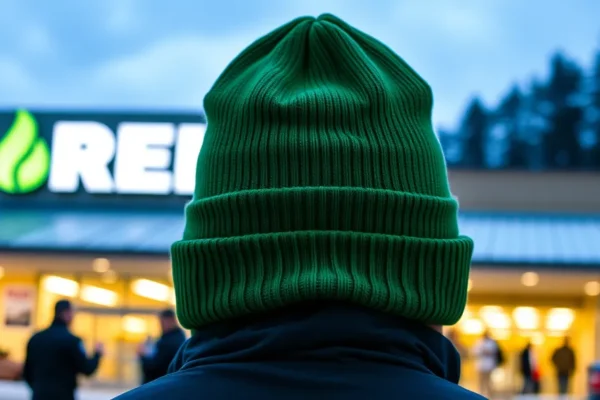
In a development that has sparked significant debate regarding data privacy, federal authorities recently sought to obtain customer information from the outdoor retailer REI. The request, issued by Homeland Security Investigations—a division of ICE—targeted individuals who purchased a specific green beanie. This move was part of an ongoing protest investigation, signaling a growing trend where law enforcement agencies look to private retail records as a primary source of investigative intelligence.
This incident highlights a major friction point between the digital footprints created by everyday consumer shopping and the increasing reach of government surveillance. As retailers collect more granular data about what we buy and when, that data becomes a target for agencies looking to reconstruct the movements or associations of individuals during public events.
How Targeted Data Requests Function
To understand this request, think of it like a digital dragnet search. When law enforcement suspects a crime was committed, they traditionally look for eyewitness accounts or physical evidence. In the modern era, they look for digital breadcrumbs. By requesting a list of everyone who bought a specific item, such as a green beanie, authorities are essentially asking the retailer to cross-reference their database with a specific timeframe and location.
The mechanism relies on the subpoena power held by agencies like ICE. When a company like REI receives a subpoena, they are legally compelled to provide the requested information unless they have grounds to challenge it in court. The process is relatively straightforward from a technical perspective: the retailer’s database administrators run a query to isolate customers who purchased a specific SKU (Stock Keeping Unit) at specific stores within a designated window. Once the list is exported, it is turned over to federal agents. The risk here is that such requests often include innocent bystanders who happened to purchase the same gear, effectively pulling thousands of non-suspects into a law enforcement inquiry.
Current State of Consumer Privacy and Retail Tracking
The use of retail data for government investigations is no longer a futuristic scenario; it is an active practice. Major retailers now maintain sophisticated customer relationship management systems that track everything from purchase history to geographic location through loyalty programs and online accounts. While this data is intended for marketing and inventory management, it represents a goldmine for investigators.
Currently, there is no standardized federal law in the United States that prevents companies from handing over this type of information to government agencies under a subpoena. Most large outdoor retailers and big-box stores have policies that detail how they handle legal requests, but these policies generally prioritize legal compliance over individual anonymity. For the average consumer, this means that every time you swipe a loyalty card or make an online purchase, you are creating a permanent record that could eventually be accessed by government entities.
The Competitive Landscape of Digital Surveillance
While the focus has been on REI, this is a broad issue that affects the entire retail sector. Competitors ranging from other outdoor specialty brands to national department store chains operate under the same legal framework. The advantage in this landscape often goes to the companies that choose to fight these subpoenas in court to protect their customers’ data.
Companies that prioritize user privacy often use “warrant canaries”—a method of informing users that they have not received secret government requests—or they lean on third-party privacy advocates to challenge overbroad subpoenas. However, most retailers are not equipped for or interested in engaging in lengthy legal battles with federal agencies. This creates a disparity where customers of some brands are essentially more exposed than others, depending entirely on the legal department’s willingness to push back against a dragnet search.
Implications for Consumer Trust and Business
The implications of federal agencies accessing consumer purchase data are profound. In the short term, we are seeing a shift in consumer behavior where individuals may become more cautious about linking their identity to physical purchases. If buying a piece of clothing becomes a way for the government to track your potential presence at a protest, consumers may turn toward cash transactions or anonymous methods to protect their privacy.
Economically, this creates a dilemma for retailers. They rely on detailed consumer data to drive sales, yet that same data creates a liability that could drive away customers concerned about privacy. Long-term, we may see a rise in “privacy-focused” retail models that offer data-minimization practices as a premium service. For the industry, the cost of handling and potentially litigating these requests is a growing burden that threatens the relationship of trust between brands and their customers.
Limitations and Regulatory Challenges
The primary bottleneck in resolving this tension is the lack of specific, enforceable federal privacy legislation. Currently, we rely on a patchwork of state laws, such as California’s Consumer Privacy Act, which offers some protection but does not necessarily prevent the fulfillment of federal subpoenas. The technical challenge is that retailers are essentially caught in the middle. They are designed to collect data for efficiency, not to act as gatekeepers for government surveillance.
Another significant hurdle is the cost and complexity of auditing these requests. Retailers often lack the resources to verify if a request from Homeland Security Investigations is truly narrow in scope or if it is an overly broad fishing expedition. Without clear legal precedents that define what constitutes an unreasonable search of private customer data, companies are left to make their own determinations under extreme pressure.
Future Trajectory of Data Requests
Moving forward, we can expect an increase in the sophistication of these investigations. As facial recognition and mobile phone location data become harder to obtain due to new regulations, retail records will likely become an even more attractive target for federal investigators. We are entering an era where your shopping list may be used as a proxy for your political activities or social associations.
Experts anticipate a rise in legal challenges from civil liberties organizations, such as the Electronic Frontier Foundation, aimed at establishing clearer protections against the use of mass retail data in protest investigations. The next decade will likely be defined by a series of court battles that will eventually force the hand of legislators to decide whether consumer data is protected under the same constitutional standards as personal papers and effects.
Key Questions and Answers
Is this type of data request common for ICE and other agencies?
While it was once rare, federal agencies have increasingly utilized subpoenas to acquire vast amounts of data from private companies. Using retail purchase history to track individuals during a protest investigation is becoming a recognized, if controversial, tool for federal investigators.
Does a company have to give over customer data if asked?
Generally, if a company receives a valid subpoena, they are legally required to comply. They can attempt to quash or narrow the subpoena in court if they believe it is too broad or violates their privacy policies, but this is a complex and expensive process.
Are there ways to protect my purchase data from being included in a dragnet search?
Using cash for purchases remains the most effective way to avoid leaving a digital trail tied to your identity. Many loyalty programs also collect extensive data, so opting out of these programs can limit the amount of personal information that a retailer stores about you.
What is the risk to the average consumer?
The risk is being caught in a dragnet search, where innocent people are identified simply because they bought a common item, such as a green beanie, near an event of interest to law enforcement. This can lead to unwanted questioning or inclusion in government databases.
How long until we see stronger federal privacy laws?
There is currently no clear timeline for federal privacy legislation that would shield consumer data from these types of requests. While the conversation is active in Congress, legislative progress remains slow and subject to intense lobbying from both tech companies and law enforcement agencies.
Disclaimer: This article is for informational purposes and summarizes recent reports regarding federal investigations. It does not constitute legal advice. Investigative practices are subject to change based on evolving court rulings and legislative activity.











