

Catching Up on the Latest Global Economic Chat
So, the IMF and World Bank just wrapped up their big annual meetings. You know, these are the super important gatherings where leaders from all over the world get together to talk about the global economy. It’s like the ultimate strategy session for how to keep things running smoothly. They discuss all sorts of pressing economic challenges, from inflation to debt to how to help countries that are really struggling. Think of it as a global economic town hall, trying to figure out solutions for our interconnected world.
Why All the Buzz Around These Meetings Now?
You’re probably hearing more about the IMF and World Bank these days because the world economy is facing some pretty serious bumps. We’re talking about things like unexpected shocks, economic instability, and just a general feeling of uncertainty. It’s easy to feel a bit uneasy when the global economic picture looks cloudy, and people are looking to these major financial institutions for reassurance and concrete plans. These meetings are always a focal point when there’s a lot of talk about mitigating shocks and steering the global economy through tricky times. The sheer scale of the economic challenges we’re currently facing makes these discussions particularly relevant and, frankly, a bit urgent.
A Little History to Understand Today’s Picture
To really get what’s going on, it helps to remember why the IMF and World Bank were created in the first place. After World War II, the world leaders wanted to build a more stable economic system. They realized that countries helping each other out financially was key to preventing future conflicts and fostering prosperity. The International Monetary Fund IMF was set up to promote global monetary cooperation and financial stability, basically making sure countries could pay their bills and trade smoothly. The World Bank’s focus was more on rebuilding and development, providing loans and grants to help poorer countries get back on their feet and grow. For decades, they’ve been the main players in international finance, offering a safety net and development support. But the world has changed a lot since then, and the types of global economic shocks we face are evolving.
What Does All This Mean for Us?
Here’s where it gets interesting for everyday people, businesses, and even the tech world. When the IMF and World Bank discuss strategies, it has ripple effects.
- For Businesses: Decisions made at these financial meetings can influence interest rates, currency exchange rates, and even trade policies. This can make it easier or harder for companies to expand, import, or export goods. For businesses trying to navigate economic instability, understanding these trends is crucial.
- For Technology: Innovation often thrives in stable economies. If the IMF and World Bank can help stabilize economies, it can indirectly boost investment in new technologies and infrastructure, which benefits the tech sector. Conversely, prolonged economic downturns can slow down tech investment.
- For Individuals: While not always direct, policy shifts discussed can eventually influence job markets, inflation, and the cost of goods. Think about how global events can impact the price of gas or the availability of certain products.
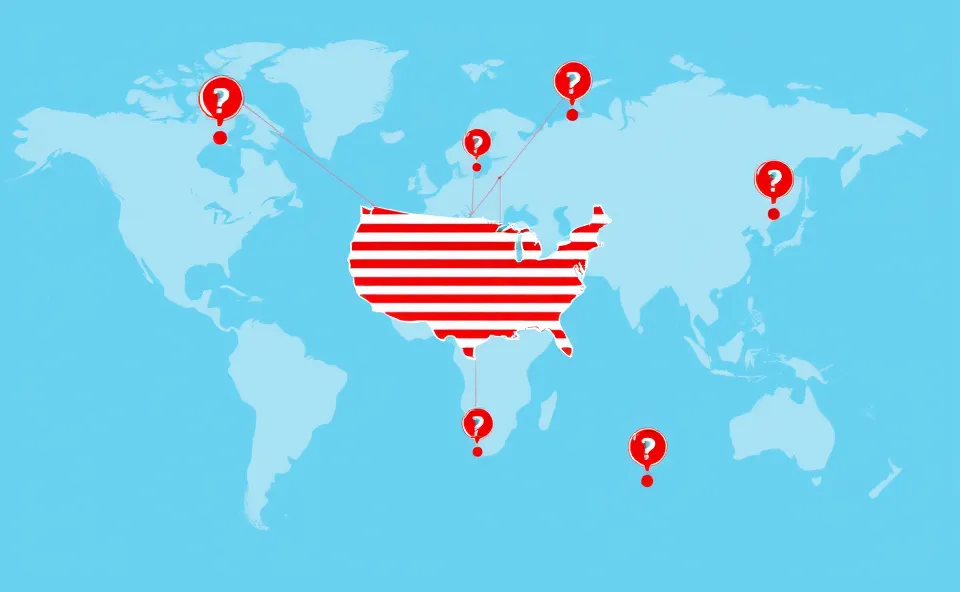
However, a significant point of discussion and concern emerging from these meetings is the perceived reliance on solutions often shaped by the United States. While US economic influence is undeniable, a heavy dependence on its policy prescriptions can sometimes overlook the unique needs and contexts of other nations, potentially limiting the effectiveness in mitigating diverse global economic shocks. It raises questions about whether a more diverse set of solutions, drawing from a broader range of global experiences, could be more effective in the long run for truly safeguarding the global economy.
Looking Ahead: What’s Next for Global Finance?
The discussions at the IMF and World Bank meetings are just one piece of a much larger puzzle. The real impact comes from how these discussions translate into actual policies and actions. We’ll likely see continued debates about the best ways to adapt the roles of these institutions to new challenges.
One key area to watch is how they plan to diversify their approach to problem-solving. Will there be a greater emphasis on regional solutions or a more inclusive decision-making process? The ability of the IMF and World Bank to effectively manage future global economic shocks and foster sustainable growth for everyone will depend on their capacity to evolve and offer solutions that truly resonate with a global community, rather than relying too heavily on a single national perspective. It’s about building resilience in the global economy, and that requires a collective effort and diverse perspectives.
Frequently Asked Questions
What is the main goal of the IMF and World Bank?
The International Monetary Fund IMF aims to foster global monetary cooperation and financial stability, while the World Bank focuses on reducing poverty and providing development assistance. Both play vital roles in the international finance system, working to address global economic challenges and mitigate shocks.
Why are the IMF and World Bank meetings important for the global economy?
These financial meetings are crucial because they bring together world leaders to discuss and coordinate strategies for managing the global economy. They address pressing issues like economic instability and provide a platform for developing policies to help countries navigate difficult economic times and avoid major shocks.
What does it mean if the IMF and World Bank rely heavily on US solutions?
This suggests that policy recommendations and financial approaches often align with or are heavily influenced by the economic policies and priorities of the United States. While the US is a major economic power, such reliance can sometimes limit the diversity of solutions available for global economic shocks, potentially not addressing the unique needs of all member countries effectively.
How can the IMF and World Bank better help mitigate global economic shocks?
To better mitigate shocks, the IMF and World Bank could focus on diversifying their policy recommendations, encouraging more country-specific solutions, strengthening early warning systems for economic instability, and promoting greater collaboration among member nations to share diverse economic insights and foster a more resilient global economy.
What are the current economic challenges discussed at the IMF and World Bank meetings?
Current economic challenges often include managing high inflation, addressing sovereign debt burdens in developing countries, promoting sustainable growth, navigating the impacts of geopolitical events on the global economy, and ensuring financial stability in an increasingly interconnected world. These discussions are central to their efforts in mitigating shocks.











