

India’s New Rule for Caller ID Apps: Sharing Spam Data with Telecom Operators
In a significant move impacting the digital landscape of India, the government has introduced a new regulation requiring caller identification (caller-id) apps to share spam reports with telecom operators. This directive aims to bolster efforts against unsolicited commercial communications (UCC), commonly known as spam calls and messages. However, it has also sparked concerns, particularly from prominent players like Truecaller, regarding the sharing of proprietary assets and user privacy.
What’s Behind the New Regulation?
The core of this development lies in India’s ongoing battle against the deluge of unwanted calls and texts. For years, users have been inundated with promotional offers, phishing attempts, and fraudulent messages, often routed through various telecommunications channels. While caller-id apps have provided a crucial layer of defense by identifying and blocking suspected spam, the information they gather has largely remained within their own ecosystems.
This new government regulation, as reported by various Indian news outlets and tech publications, seeks to centralize and streamline the spam reporting process. The goal is to create a more unified and effective system for tackling UCC by leveraging the vast datasets collected by these mobile apps. The significance is amplified by India’s massive mobile user base and the increasing sophistication of spam operations, making this a critical step towards a cleaner digital communication environment. The Department of Telecommunications (DoT) in India is the driving force behind this initiative.
How These Apps Detect Spam
Caller-id apps like Truecaller, and others, operate by building a crowdsourced database of phone numbers. When you install and use such an app, it can, with your permission, scan your contacts and your call history. This information, anonymized and aggregated, helps build a picture of who is calling.
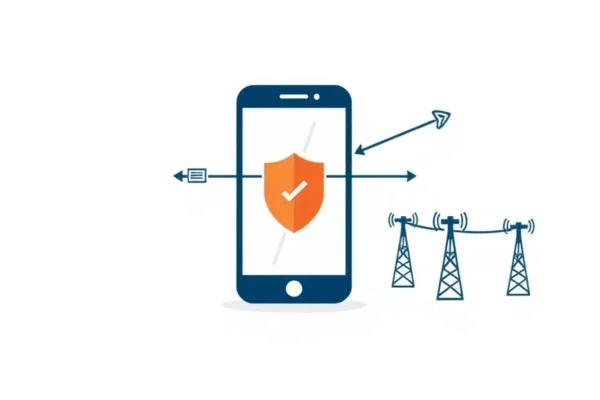
Think of it like a community watch for your phone. When many users report a specific number as spam or mark it with a certain label (e.g., “telemarketer,” “scam”), the app learns that this number is likely problematic. This collective intelligence allows the app to identify unknown callers that might be spam even before they’ve called you. The new regulation essentially asks these apps to share these collective reports with telecom operators, who can then use this information to block spam at a network level, preventing it from reaching users’ phones in the first place.
The Current Landscape of Spam Fighting
Currently, caller-id apps are widely used by millions of Indians. Services like Truecaller have become indispensable tools for many, offering features that go beyond simple caller identification to include spam blocking, messaging, and even payment functionalities. These mobile apps have demonstrated significant success in filtering out a large percentage of unwanted communications for their users.
However, the effectiveness of these individual apps has limitations. Spam campaigns can be sophisticated, constantly changing numbers and tactics. The new regulation aims to elevate this fight by creating a symbiotic relationship between app data and telco infrastructure. This would mean that a spam number identified by an app could potentially be blocked by your mobile operator before it even attempts to connect your call. The availability of such integrated solutions is currently in the developmental stages, with the regulation marking the beginning of this new phase.
A Competitive Field of Spam Blockers
The caller-id app market is competitive, with several players vying for user attention. Truecaller is arguably the most dominant player in India, boasting a massive user base and a comprehensive suite of features. However, other apps and services also contribute to spam detection, either independently or as part of broader mobile security suites offered by smartphone manufacturers and antivirus companies.
This new regulation creates a unique dynamic. While it standardizes the reporting mechanism, it also raises questions about how different apps will comply and whether smaller players will be able to match the data-sharing capabilities of larger ones. The advantage for established players like Truecaller lies in their existing infrastructure and user data. However, their concern is also that the sharing of this data, especially if it includes elements of their proprietary algorithms or user insights, could diminish their unique value proposition.
Reshaping Digital Communication in India
The implications of this regulation are far-reaching. On the positive side, it promises a significant reduction in spam calls and messages, leading to a more pleasant and secure mobile experience for Indian consumers. This can enhance trust in digital communication channels, which is vital for the continued growth of services like e-commerce, digital payments, and online education – all key pillars of the “Digital India” initiative.
Economically, it could lead to increased efficiency for businesses that rely on telecommunication for customer outreach, as legitimate calls are less likely to be mistaken for spam. For telecom operators, it offers a powerful tool to improve customer satisfaction and reduce network load from unwanted traffic. However, it also introduces new compliance costs and operational adjustments. Socially, a significant reduction in spam could mitigate risks associated with scams and fraud, protecting vulnerable populations. The immediate impact will likely be felt as telcos integrate the new data streams, with more substantial changes expected over the next 12-24 months.
Challenges in Data Sharing and Privacy
Despite the intended benefits, the regulation presents several challenges. The primary concern, voiced by companies like Truecaller, revolves around the sharing of proprietary assets. Caller-id apps invest heavily in developing sophisticated algorithms and building extensive, often proprietary, databases of spam patterns and user behavior. The mandate to share this data with telecom operators, without clear guidelines on what specific data is to be shared and how it will be protected, raises fears of intellectual property theft and dilution of competitive advantage.
Furthermore, privacy concerns are paramount. While the intention is to share aggregated and anonymized spam reports, any data sharing, especially involving user communication patterns, needs robust safeguards. Ensuring that user data is not misused, de-anonymized, or exploited for commercial purposes beyond spam control is a significant hurdle. The technical complexity of anonymizing and aggregating vast amounts of data while retaining its spam-fighting utility is also a considerable challenge.
The Road Ahead for Spam Reporting
The future trajectory for this regulation will likely involve a period of intense collaboration and negotiation between the government, telecom operators, and caller-id app providers. We can expect to see the development of standardized data formats and secure protocols for data exchange. Early adopters who effectively integrate this shared data into their spam detection and blocking systems will likely see the most significant improvements.
Looking ahead, the success of this initiative could pave the way for similar collaborations in other regions facing similar challenges. It also hints at a future where data from various sources is increasingly leveraged to create more robust and intelligent digital ecosystems, while simultaneously needing strong frameworks to ensure privacy and security. The next 12-18 months will be crucial in determining the long-term effectiveness and sustainability of this new regulatory approach.
Frequently Asked Questions
What is the new Indian regulation concerning caller-id apps?
India’s government has mandated that caller-id apps must share their spam reports with telecom operators to improve the fight against unsolicited commercial communications.
Why are apps like Truecaller concerned?
Truecaller and similar apps are concerned about sharing their proprietary data and algorithms with telecom operators, which they consider valuable assets that differentiate their services. They also have privacy concerns regarding user data.
How do caller-id apps currently work to detect spam?
These mobile apps use crowdsourced data, where users report numbers as spam. This collective intelligence helps the app identify and block unwanted calls and messages before they reach the user.
What is the primary goal of this data sharing?
The primary goal is to create a more effective and unified system for blocking spam calls and messages by allowing telecom operators to leverage the data insights from caller-id apps.
Will this regulation improve my experience with spam calls in India?
Potentially, yes. By sharing spam reports, telecom operators can implement network-level blocks, which could significantly reduce the number of spam calls and messages you receive.
When will I see the effects of this new regulation?
The full impact may take some time to materialize, likely over the next 12-24 months, as telecom operators and caller-id apps implement the necessary systems and data-sharing protocols.
This article discusses a developing regulatory environment and technological implementation. Specifics regarding data sharing protocols and privacy safeguards are still being defined and may evolve.











