

The Hidden Danger Lurking Inside Your Home
Most of us think of a heat wave as something that happens outside. We worry about the burning sun, the hot pavement, and the humidity that makes the air feel like a warm blanket. Naturally, we see our homes as a sanctuary. We assume that once we step through the front door and close it behind us, we are safe from the elements. However, there is a hidden reality that many homeowners overlook. In many cases, the indoor heat wave danger can actually be more severe than the heat outside.
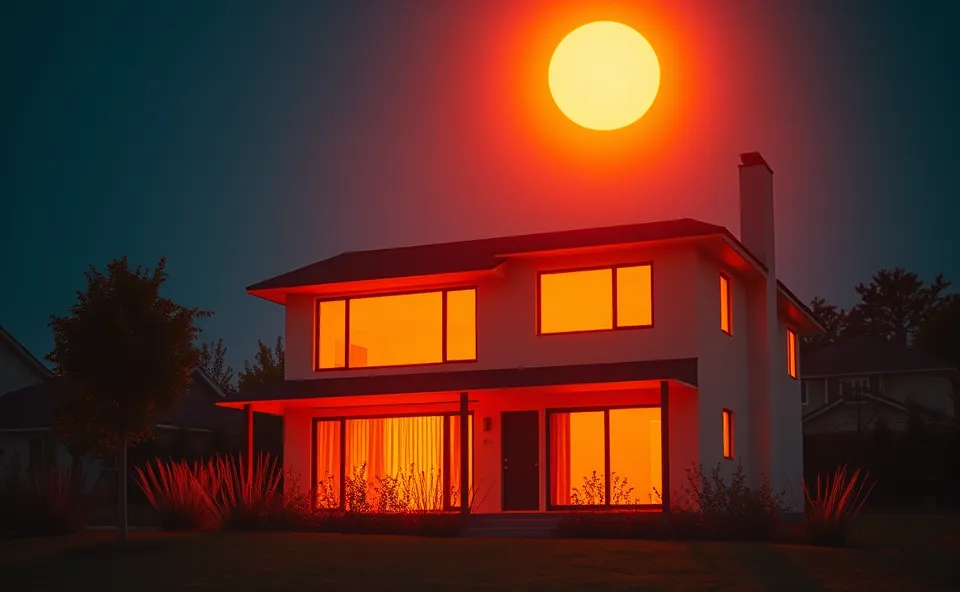
Think of your house like a giant battery. Instead of storing electricity, some houses store heat. When the outdoor temperature spikes, your walls, roof, and floors absorb that energy. If your home is not designed to release that heat, the interior becomes a trap. You might find that while the outdoor temperature drops in the evening, your living room remains stifling. This is because the building materials are slowly releasing the heat they soaked up all day. Instead of a cool retreat, your home becomes an oven that stays hot long after the sun goes down.
Why Everyone is Talking About Indoor Heat Now
You might notice more people discussing summer heat risks and home efficiency lately. This is not a coincidence. We are seeing more frequent and intense heat waves globally. At the same time, the cost of living is rising. For many people, cranking up the air conditioner for twelve hours a day is simply too expensive. This creates a dangerous gap. People are trying to save money on energy bills, but they are discovering that their homes are not built to handle these new temperature extremes.
There is also a growing awareness of how we build our houses. For decades, the focus in many regions was on keeping heat inside during the winter. We added thick layers of insulation and sealed every crack to stop drafts. While this is great for January, it can be a nightmare in July. People are realizing that the same features that saved them money on heating bills in the winter are now contributing to the indoor heat wave danger during the summer.
The Science of Heat Retention and Thermal Mass
To understand why some homes stay hotter than others, we have to look at thermal mass. This is a fancy term for the ability of a material to absorb and store heat energy. Materials like concrete, brick, and stone have high thermal mass. They take a long time to heat up, but once they are hot, they stay hot for a very long time.
If you live in a brick house, your walls are essentially absorbing heat all day. When the cool night air arrives, the outside of the brick cools down, but the inside of the wall is still radiating heat into your bedroom. This is why some people feel like they are sleeping in a sauna even if they have the windows open.
Then we have home insulation. Insulation is designed to slow down the transfer of heat. In the winter, it stops heat from escaping. In the summer, it is supposed to stop heat from entering. However, if your home is poorly ventilated, the heat that does manage to get inside becomes trapped. The insulation then works in reverse. It keeps the heat inside the house, preventing it from escaping. This creates a cycle of heat retention that pushes the indoor temperature higher and higher each day of a heat wave.
How This Affects Your Health and Your Wallet
The impact of this phenomenon is not just about being uncomfortable. It has real consequences for your health and your finances. When the indoor temperature stays high, your body cannot cool down. This is especially dangerous during the night. Your body needs a drop in temperature to enter deep sleep and recover. If your home stays hot, you wake up exhausted and dehydrated.
This environment significantly increases the risk of heat exhaustion. When you cannot find a cool place to rest, your core body temperature rises. This can lead to dizziness, nausea, and in severe cases, heat stroke. The most dangerous part is that people often ignore these signs because they are inside their own homes and assume they are safe.
From a financial perspective, this creates a massive strain. Poorly insulated or poorly ventilated homes require more energy for house cooling. This leads to:
- Skyrocketing electricity bills during peak summer months.
- Increased wear and tear on HVAC systems, leading to expensive repairs.
- Lower property value for homes that are not energy efficient.
- Higher healthcare costs due to heat related illnesses.
When a house cannot regulate its own temperature, it becomes a financial liability. The cost of running a cooling system to fight against a house that traps heat is far higher than the cost of cooling a well designed space.
The Future of Cool Living
So, where do we go from here? The goal for the future is a shift toward passive cooling. Instead of relying solely on expensive machines to blow cold air, we are seeing a move toward smarter architecture. This means using materials with better thermal properties and designing homes that encourage natural airflow.
We can expect to see more widespread use of reflective roofing and cooling paints. These technologies reflect sunlight away from the building rather than absorbing it. There is also a push for better heat wave safety guidelines in urban planning, such as planting more trees to shade buildings and reducing the amount of concrete in cities.
Technology will also play a role. Smart home systems are becoming better at managing house cooling. Instead of just turning on the AC, these systems can coordinate motorized blinds to block the sun at the hottest part of the day and open vents to let in cool air at night. The future is about working with nature rather than fighting against it.
Common Questions About Indoor Heat
What is the biggest indoor heat wave danger for homeowners?
The biggest danger is the trap effect. This happens when home insulation and high thermal mass materials keep heat trapped inside the house. This prevents the home from cooling down at night, which can lead to heat exhaustion because the body never gets a chance to recover.
How does home insulation affect summer heat?
Good insulation should keep heat out. However, if the house is already hot or has no way to vent the air, the insulation can stop the heat from escaping. This increases heat retention and makes the indoor temperature higher than it would be in a more breathable house.
What is thermal mass and why does it matter for cooling?
Thermal mass refers to materials like brick and concrete that store heat. In a heat wave, these materials soak up energy all day and radiate it into the home at night. Understanding this helps you choose better materials for house cooling and home renovation.
How can I improve my heat wave safety at home?
Focus on blocking the sun before it hits your interior. Use blackout curtains, reflective films on windows, and ensure you have a way to ventilate the home once the outdoor air is cooler than the indoor air. This reduces the overall summer heat risks.
Why is the indoor temperature sometimes higher than the outdoor temperature?
This happens when a house has high heat retention. Heat enters through the roof and walls and gets trapped by insulation. If there is no airflow to push that warm air out, the house continues to warm up, even as the outside air begins to cool.











