

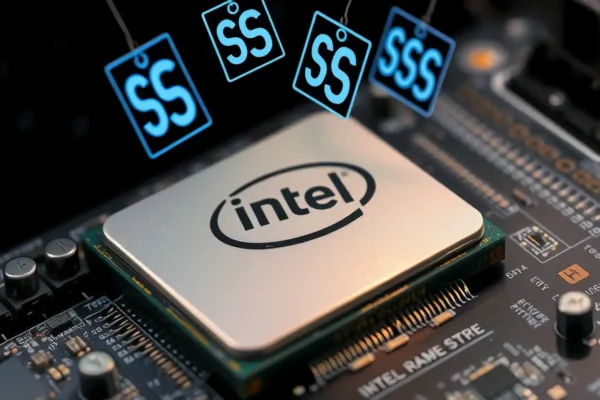
Intel’s Strategic Shift: A CPU Price Hike Signals Focus on Profitability
Intel, a titan in the world of computer processors, is reportedly planning a significant shift in its business strategy, including a notable Intel CPU price hike of approximately 10% for its PC Central Processing Units (CPUs). This move, detailed in a report by Digitimes, signals a departure from its long-standing emphasis on market share to a more aggressive pursuit of profitability. This strategic pivot is further underscored by potential staff layoffs and the reported phase-out of its “Small Core” line of processors. For consumers and businesses alike, this development in PC hardware pricing and product strategy raises important questions about the future of Intel processor cost and the broader CPU market trends.
Understanding Intel’s Processor Power
At its core, a CPU is the “brain” of a computer. It performs most of the processing inside a computer, which includes the instructions of a computer program. Think of it like a very sophisticated calculator that can execute billions of operations per second. Intel’s processors, the chips that power a vast majority of personal computers worldwide, have historically been a battleground for performance and innovation. The company has produced various types of these processors, each designed for different tasks and power efficiencies. One such line, the “Small Core” processors, were typically designed for lower power consumption and background tasks, complementing larger, more powerful “Performance Cores” to optimize overall system performance and battery life. The decision to potentially discontinue this line suggests a simplification of Intel’s product offerings and a recalibration of its manufacturing and design priorities.
The Shifting Sands of the CPU Market
For years, Intel has navigated a competitive landscape with rivals like AMD constantly challenging its dominance. While market share has been a key metric, recent financial reports and industry analysis suggest Intel is now prioritizing its financial health. The reported hardware price increase is a direct manifestation of this shift. This move is not unprecedented in the semiconductor industry news; as companies mature, they often re-evaluate their cost structures and pricing models to ensure sustainable growth and shareholder value. The intention behind this Intel processor cost adjustment appears to be a move towards ensuring that each chip sold contributes more significantly to the company’s bottom line, a crucial step in its ongoing turnaround efforts under CEO Pat Gelsinger. The Digitimes report offers a glimpse into the internal discussions and strategic planning at the heart of this influential chipmaker.
A Look at the Competitive Arena
Intel’s primary competitor in the PC CPU market is AMD. AMD has made significant strides in recent years with its Ryzen processors, often offering competitive performance at attractive price points. This has put pressure on Intel to maintain its technological edge and market presence. However, the current economic climate, characterized by global supply chain challenges and increased manufacturing costs, provides a context for Intel’s pricing strategy. Rival technologies, such as those found in Apple’s M-series chips used in Mac computers, also represent a significant segment of the premium computing market, pushing Intel to differentiate its offerings. The phasing out of the Small Core line, if it occurs, might also signal a consolidation of Intel’s architecture, potentially simplifying its product portfolio to better compete against these diverse threats.
Implications for the Tech Ecosystem and Beyond
The potential Intel CPU price hike will undoubtedly ripple through the PC hardware market. For consumers looking to build or upgrade their computers, this means higher upfront costs for new machines or components. This could particularly impact budget-conscious buyers and small businesses that rely on cost-effective solutions. For PC manufacturers, who often operate on thin margins, absorbing this increase could be challenging, potentially leading them to pass on the costs to consumers or seek alternative suppliers where possible. On a broader economic scale, the shift in Intel profitability focus, coupled with potential layoffs, reflects the ongoing economic pressures and the intense competition within the semiconductor industry. This strategic recalibration by a key player like Intel could influence investment decisions and research and development priorities across the entire tech sector.
Navigating the Challenges Ahead
Despite its market position, Intel faces substantial challenges. The intricate process of manufacturing advanced semiconductor chips is incredibly capital-intensive and prone to supply chain disruptions. The company has also experienced delays in bringing its next-generation manufacturing technologies to market, a critical factor in maintaining a competitive edge. The reported phase-out of the Small Core line, while potentially streamlining operations, could also alienate certain market segments or applications that benefited from its specific power-efficiency characteristics. Furthermore, overcoming the perception of being a step behind in certain technological advancements compared to competitors like AMD and Apple requires sustained innovation and efficient execution of its manufacturing roadmap.
The Future Trajectory of Intel’s Strategy
Intel’s current direction suggests a company determined to regain its footing and ensure long-term financial health. The focus on Intel profitability over sheer market share indicates a mature approach to business, prioritizing sustainable operations. Future developments to watch will include the actual rollout and reception of the price increases, the success of Intel’s next-generation processor architectures, and its ability to stabilize and expand its manufacturing capabilities. The company has committed significant resources to rebuilding its foundry business, aiming to become a major manufacturer of chips for other companies. This dual strategy of designing its own chips while also producing chips for others will be crucial in shaping its future trajectory. Experts in the CPU market trends will closely monitor how these strategic moves impact Intel’s standing against its rivals.
Key Questions and Answers
What is the primary change Intel is making?
Intel is reportedly planning an approximate Intel CPU price hike of 10% for its PC processors, signaling a strategic shift towards prioritizing profitability over market share, according to a Digitimes report.
Who will be affected by this hardware price increase?
Consumers looking to purchase new PCs or upgrade their existing ones, as well as PC manufacturers and other businesses relying on Intel processor cost, will likely be impacted by this hardware price increase.
What is the significance of the reported phase-out of the Small Core line?
The potential phasing out of Intel’s Small Core line suggests a streamlining of its product portfolio and a recalibration of its design and manufacturing focus, potentially impacting the efficiency and cost-effectiveness of certain devices.
How does this compare to Intel’s competitors?
While Intel is implementing this pricing strategy, competitors like AMD continue to offer a range of processors, and the overall CPU market trends are constantly evolving with advancements in chip technology from various players, including custom silicon from companies like Apple.
What are the potential benefits and drawbacks of Intel’s focus on profitability?
The focus on Intel profitability could lead to more stable financial performance and increased investment in research and development. However, it may also lead to higher prices for consumers and could impact Intel’s competitive standing if rivals maintain more aggressive pricing strategies.
When can we expect these changes to take effect?
Specific timelines for the Intel CPU price hike and the discontinuation of the Small Core line have not been officially confirmed by Intel, but industry reports suggest these changes could be implemented in the near future.
This report is based on industry sources and analyses of market trends. Specific details regarding Intel’s product roadmap and pricing strategies are subject to change and official announcements from the company.











