

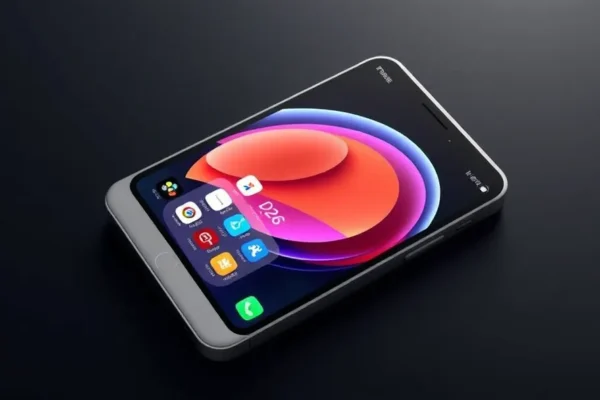
The iPhone Duo A Foldable Enigma: Brilliant Software Meets Familiar Form
The tech world has been buzzing with whispers and leaks about Apple’s potential entry into the foldable phone market, with the hypothetical “iPhone Duo” emerging as a focal point. While concrete details remain elusive, the anticipation stems from Apple’s history of refining existing technologies and introducing them with a polished, user-centric approach. This article delves into what we can infer about the iPhone Duo’s potential, particularly focusing on the expected synergy between its innovative software and what might be a more conservative hardware design, especially when compared to the already established Android foldables.
Unpacking the Apple Foldable Vision
At its core, the concept of an “iPhone Duo” — or any Apple foldable, for that matter — represents an attempt to blend the portability of a smartphone with the screen real estate of a small tablet. This addresses a fundamental user desire: a single device that can seamlessly transition between quick communication, immersive media consumption, and productive multitasking. The problem it aims to solve is the current compromise users face: either a compact phone that’s limiting for certain tasks or a larger device that’s cumbersome to carry. Apple’s hallmark has always been to simplify complexity and integrate hardware and software so deeply that the user experience feels intuitive and magical. The significance of a potential Apple foldable now lies in its ability to disrupt a market that, while growing, still grapples with early adoption challenges and a lack of a universally loved design. Leaks and patent filings from Apple, as reported by publications like MacRumors and The Information, suggest ongoing exploration into various foldable form factors, indicating a deep commitment to this next-gen phone category.
How the iPhone Duo’s Software Might Work
Imagine an iPhone that can expand its view, like a book opening to reveal more pages. That’s the fundamental idea behind a foldable phone. For the iPhone Duo, Apple’s renowned software prowess would be the star. Think of it like a master conductor leading an orchestra. The hardware is the instrument, but the conductor (software) dictates how it plays. Apple is expected to leverage its existing iOS ecosystem, but with significant enhancements tailored for the larger, flexible display. This would likely involve dynamic app resizing, allowing apps to fluidly transition between phone and tablet modes. Multitasking would be a key focus, perhaps featuring an advanced split-screen or windowed mode that feels less like a compromise and more like a natural extension of the phone’s capabilities. For instance, you might have your email open on one side and a document you’re referencing on the other, with the ability to easily drag and drop content between them, all managed by iOS’s intuitive gestures. The “how” is about intelligent software recognizing the available screen space and optimizing the app experience accordingly, without requiring users to manually adjust anything. This contrasts with some early Android foldables where the software felt like an afterthought bolted onto a new form factor.
Foldable Phones Today: A Mature but Fragmented Market
The foldable phone market is no longer a futuristic concept; it’s a tangible reality, dominated primarily by Android manufacturers. Companies like Samsung, with its Galaxy Z Fold and Z Flip series, have been pioneers, refining their designs and software over multiple generations. Samsung foldables are now in their fifth iteration, showcasing advancements in durability and user experience. Huawei has also made significant strides with its Mate X series, pushing the boundaries of screen technology and design, though availability has often been limited. Xiaomi, Oppo, and Motorola also offer compelling foldable options, each with their own unique take on the form factor and software integration. These devices are currently used by early adopters, tech enthusiasts, and professionals who seek the flexibility of a larger screen in a pocketable device. They are finding use in tasks like mobile journalism, content creation, and enhanced productivity on the go. While not yet mainstream, foldable phones are increasingly available globally through major electronics retailers and carrier stores, indicating a growing consumer interest and a maturing supply chain.
The iPhone Duo’s Challenge: Balancing Innovation and Familiarity
When we look at the competitive landscape, the iPhone Duo would enter a market where players like Samsung have established a significant lead. Samsung’s foldables are characterized by their dual-screen approach (an outer display for quick tasks and an inner, larger folding screen), robust hinge mechanisms, and integrated stylus support on the Fold series. Huawei, known for its innovative display technology, often presents devices with sleeker profiles and unique aspect ratios. Xiaomi and others are also bringing competitive hardware, often at more aggressive price points. Apple’s perceived advantage lies in its ability to deeply integrate software and hardware, creating a cohesive and polished user experience that often sets industry standards. However, Apple’s history also suggests a tendency towards conservative hardware design, prioritizing proven technologies over radical experimentation. This means the iPhone Duo might sport a more familiar design, perhaps a book-style fold or a clamshell, rather than entirely novel approaches seen from some competitors. The key differentiator for Apple will be how it leverages its software ecosystem to make the foldable experience uniquely “Apple,” perhaps through exclusive multitasking features or seamless integration with other Apple devices.
Reshaping How We Interact with Technology
The potential impact of a successful iPhone Duo, and foldables in general, is substantial. For individuals, it promises a more versatile personal device, potentially reducing the need to carry both a smartphone and a tablet. This could lead to a shift in how we consume media, work remotely, and even communicate, with larger, more interactive screens becoming the norm for mobile interactions. For businesses, it opens new avenues for mobile productivity and specialized applications. Imagine field service technicians with a foldable device that can display schematics and data simultaneously, or healthcare professionals accessing patient records on a portable, large-screen interface. Economically, a successful Apple foldable could spur further investment in foldable display technology, hinge mechanisms, and related software development, creating new markets and jobs. The social implications are equally profound, potentially democratizing access to larger screen devices and enhancing digital inclusion. However, this transition also raises questions about digital distraction and the potential for further blurring the lines between work and personal life. The short-term impact would likely be felt by early adopters and developers, while the long-term impact could see foldables become a significant segment of the smartphone market.
Navigating the Hurdles of Foldable Technology
Despite the excitement, foldable phones, including a potential iPhone Duo, face significant limitations and challenges. Durability remains a primary concern. The folding screen, while improving, is still more susceptible to scratches, creases, and damage than traditional smartphone displays. Hinge mechanisms, crucial for the folding action, are complex and can be points of failure. Cost is another major barrier; foldable phones are significantly more expensive than their rigid counterparts, putting them out of reach for many consumers. Software optimization is also an ongoing challenge. While Apple excels at software integration, making every app perfectly adapt to a folding screen across a vast ecosystem is a monumental task. Power consumption can also be higher due to larger, brighter displays. For Apple, introducing a foldable device means overcoming these inherent technological hurdles while also justifying a premium price point to its discerning customer base. The technology is still evolving, and these issues are not yet fully resolved, as evidenced by ongoing research and development in materials science and engineering.
The Road Ahead for Foldable Phones
The future trajectory of foldables, and by extension the iPhone Duo, points towards greater refinement and wider adoption. We can expect continued improvements in display durability, thinner and more robust hinge designs, and more seamless software integration. Companies are exploring various form factors, from tri-fold devices to rollable screens, suggesting a diverse landscape of future foldable phones. Apple will likely focus on perfecting its existing iOS multitasking capabilities to leverage the foldable form factor, ensuring a fluid and intuitive user experience. Advancements in battery technology will be crucial to support larger screens. The timeline for widespread adoption remains debated, but many analysts predict that foldable phones will become a more significant portion of the premium smartphone market within the next five years. Key developments to watch include breakthroughs in ultra-thin glass (UTG) technology, advancements in water and dust resistance for folding mechanisms, and the development of more power-efficient displays.
Your Questions About the iPhone Duo Answered
What is the iPhone Duo?
The iPhone Duo is a hypothetical foldable smartphone from Apple. It represents Apple’s potential entry into the growing market of foldable phones, aiming to combine the portability of a smartphone with the larger screen of a tablet.
Is the iPhone Duo real and when will it be available?
As of now, Apple has not officially announced any foldable iPhone, including the “iPhone Duo.” While patents and industry rumors suggest Apple is actively developing foldable technology, there is no confirmed release date. Industry analysts speculate a potential launch could be a few years away.
How does a foldable phone like the iPhone Duo work?
A foldable phone features a flexible display that can be bent or folded, allowing it to transition between a compact smartphone form factor and a larger screen. Apple’s expected software innovation would ensure apps adapt seamlessly to these different screen sizes for an optimal user experience.
What are the advantages of a foldable phone compared to a regular smartphone?
The primary advantage is versatility. A foldable phone offers a larger display for multitasking, media consumption, and productivity when unfolded, while still fitting into a pocket when folded. This could eliminate the need to carry multiple devices.
What are the main competitors to a potential iPhone Duo?
The main competitors are established Android foldables from companies like Samsung (Galaxy Z Fold series), Huawei (Mate X series), and others such as Xiaomi and Motorola. These devices have been iterating on foldable technology for several years.
What are the biggest challenges for foldable phones like the iPhone Duo?
Key challenges include screen durability (susceptibility to creases and scratches), the complexity and reliability of hinge mechanisms, high manufacturing costs leading to premium pricing, and ensuring all applications are optimized for the folding screen experience.
This article is based on publicly available information, industry rumors, and patent filings. Specific features and release dates for any Apple foldable device are subject to change and official confirmation by Apple.











