

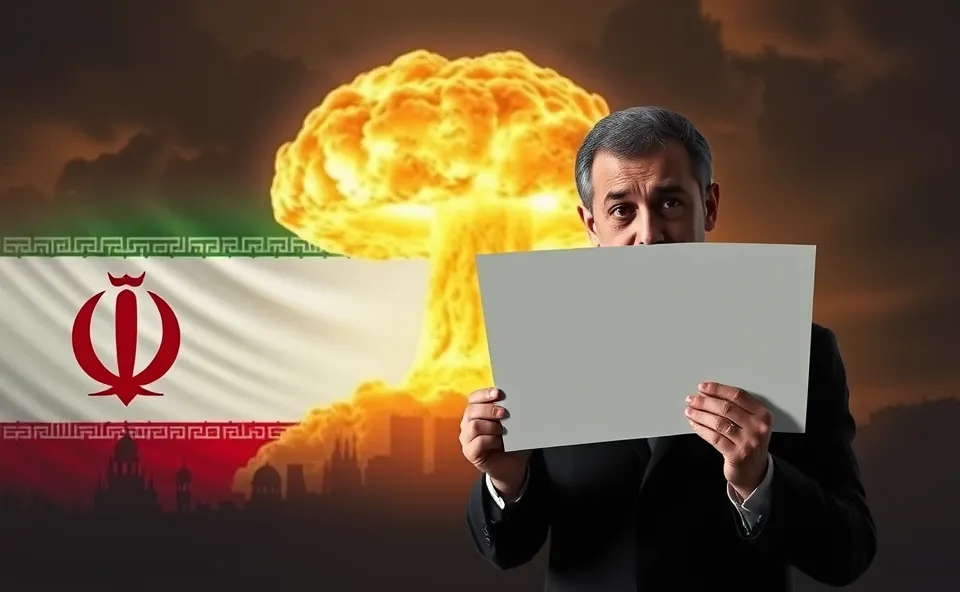
Larry Kudlow Sounds the Alarm on Iran’s Nuclear Push
So, you’ve probably been hearing some chatter about Iran and its nuclear program, and lately, Larry Kudlow, a familiar voice in economic and political commentary, has been speaking up. He’s really focused on a big concern: Iran’s push to develop nuclear weapons. Kudlow is emphasizing that this isn’t just some distant issue; it’s something we need to pay close attention to and actively work to prevent. He’s making it clear that the idea of the Tehran regime getting nuclear capabilities is a serious threat that demands immediate consideration and a strong foreign policy response.
Why the Sudden Urgency Around Iran’s Nuclear Ambitions?
The reason this is on people’s minds right now, and why Kudlow is highlighting it, is the ongoing development and apparent acceleration of Iran’s nuclear program. Reports and intelligence suggest that Iran is getting closer to having the materials and know how to build a nuclear weapon. This isn’t a new story, but the perceived progress has ramped up the geopolitical tension. When any nation, especially one with a history of challenging established global norms, gets close to nuclear weapons, the implications are massive. It’s a situation that naturally draws attention because it directly affects stability in a very volatile region and raises the specter of nuclear proliferation.
A Look Back: The Long Road of Iran’s Nuclear Pursuit
To really grasp why this matters so much, we need a little background. Iran’s nuclear ambitions have been a subject of international concern for decades. For a long time, the focus has been on preventing Iran from enriching uranium to a level suitable for weapons. There have been agreements, like the Joint Comprehensive Plan of Action JCPOA, aimed at curbing these activities in exchange for sanctions relief. However, the status of these agreements has been complex and shifting. The Trump policy, for instance, saw the US withdraw from the JCPOA and reimpose strict sanctions, believing it was too lenient. Now, with renewed discussions and continued enrichment efforts by Iran, the old debates are resurfacing, and the international community is grappling with how to best address the issue of Iran’s nuclear capabilities. It’s a tangled web of diplomacy, sanctions, and suspicion.
What Does This Mean for Us and the World?
The potential for Iran to acquire nuclear weapons isn’t just a headline; it has real world impacts. For businesses, increased geopolitical tension in the Middle East, a major oil producing region, can lead to market volatility and supply chain disruptions. Think about fluctuations in oil prices, which affect everything from the cost of goods to travel expenses. For technology, it could spur further investment in defense technologies and cybersecurity. On a broader level, the risk of nuclear proliferation is a global concern. If Iran were to obtain nuclear weapons, it could set off a dangerous domino effect, encouraging other nations in the region to pursue their own nuclear programs. This would dramatically escalate the risk of a devastating Middle East conflict and make the world a much more dangerous place. The thought of Iran bombing capabilities, or any nation with such power acting irresponsibly, is a chilling prospect that underlines the importance of deescalation and robust diplomatic efforts.
Where Do We Go From Here?
Looking ahead, the situation remains delicate. The path forward for preventing Iran from acquiring nuclear weapons will likely involve a combination of diplomacy and sustained pressure. Whether that pressure comes through sanctions, international cooperation, or other means is a constant debate among world leaders. The success of any strategy hinges on the willingness of all parties to engage constructively. There’s a possibility of renewed negotiations aimed at finding a verifiable path to ensuring Iran’s nuclear program is exclusively for peaceful purposes. However, the current trajectory suggests that the international community will need to remain vigilant and united in its efforts to prevent nuclear proliferation. The stakes are incredibly high, and the decisions made now will shape the security landscape of the Middle East and beyond for years to come. The core challenge remains preventing the Tehran regime from crossing the nuclear threshold, a goal that requires careful, strategic foreign policy and a clear understanding of the long term consequences.
Frequently Asked Questions About Iran’s Nuclear Threat
What is Larry Kudlow’s main concern regarding Iran’s nuclear ambitions?
Larry Kudlow’s primary concern is preventing Iran from acquiring nuclear weapons. He emphasizes the urgency of this issue and believes it requires active international efforts to stop the Tehran regime from developing such capabilities, highlighting the potential for increased geopolitical tension and a Middle East conflict.
How does Iran’s nuclear program affect global markets?
Iran’s nuclear program and the associated geopolitical tension can significantly impact global markets, particularly in the energy sector. Any instability in the Middle East, a major oil producing region, can lead to oil price volatility, affecting the cost of goods, transportation, and overall economic activity worldwide. The threat of Iran bombing capabilities or further escalation adds to this uncertainty.
What was the impact of the Trump policy on Iran’s nuclear program?
The Trump policy involved the United States withdrawing from the JCPOA, the international agreement aimed at curbing Iran’s nuclear program, and reimposing strict sanctions on Iran. The aim was to pressure Iran into negotiating a new deal. This policy significantly altered the dynamics of international relations regarding Iran’s nuclear capabilities and led to increased economic pressure on Tehran.
Why is nuclear proliferation from Iran a major global concern?
Nuclear proliferation from Iran is a major global concern because it significantly increases the risk of a Middle East conflict and can trigger a dangerous arms race in the region. If Iran were to possess nuclear weapons, other nations might feel compelled to develop their own, leading to widespread nuclear proliferation and a highly unstable geopolitical environment. This raises the stakes considerably, far beyond just the immediate threat of Iran bombing.
What are the potential future scenarios related to Iran’s nuclear capabilities?
Future scenarios range from successful diplomatic resolutions that verifiably ensure Iran’s nuclear program remains peaceful, to continued enrichment and increased international pressure, and in the most concerning scenarios, the possibility of Iran reaching a nuclear weapons threshold. The outcome depends on ongoing foreign policy decisions, international cooperation, and the Tehran regime’s own actions. Preventing nuclear proliferation remains the key objective.











