

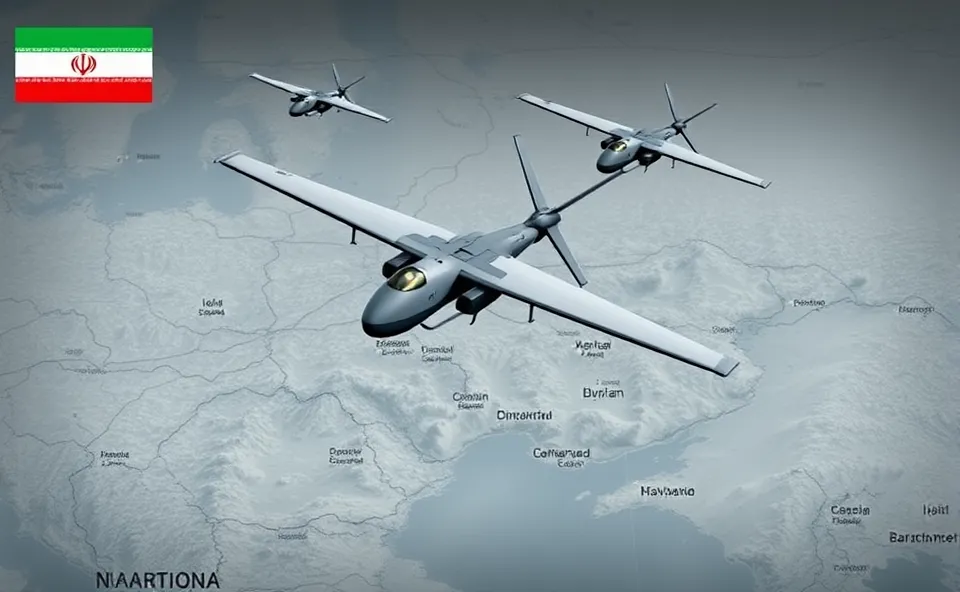
Iran’s Eyes on Ukraine’s Skies: What They’re Learning About Drones
Imagine you’re watching a really intense game, and you’re trying to figure out how the other team is winning. That’s kind of what’s happening with Iran right now. They’re not just casually observing the conflict in Ukraine; they’re diving deep into military journals, poring over the details of what’s happening on the ground and, crucially, in the air. Specifically, they’re focusing on how drones are being used and what lessons can be learned. It’s a strategic move, looking at real world battlefield data to sharpen their own military thinking, especially when it comes to drone technology.
Why All the Buzz About Ukraine Now?
You might be wondering why this is a hot topic right now. Well, the conflict in Ukraine has become a massive, real-time laboratory for military innovation. It’s one of the most documented and analyzed wars in history, thanks to modern technology and open access to information. As nations like Iran look for ways to bolster their defense capabilities and adapt to evolving threats, the battlefield in Ukraine offers a wealth of up-to-the-minute tactical lessons. The effectiveness of drone technology in Ukraine has been undeniable, making it a prime area of interest for any country looking to modernize its military strategy, and Iran is no exception. This intense focus on the Iran Ukraine war and drone technology is driven by the urgent need to understand and adopt these cutting-edge battlefield tactics.
A Look Back: Iran’s Drone Ambitions
Iran has been developing its drone program for quite some time. They’ve been interested in unmanned aerial vehicles UAVs for various purposes, including reconnaissance, surveillance, and even as strike platforms. This interest isn’t new; it’s a long-standing part of their military priorities. Over the years, Tehran has invested significant resources into building and refining its drone fleet, often adapting technologies and sometimes facing international sanctions that have pushed them towards indigenous development. Their goal has always been to create a capable and versatile drone force that can serve a range of military needs, enhancing their overall defense capabilities. So, while the current focus is on Ukraine, this is part of a much broader, ongoing effort in Iran’s defense planning.
What This Means for the Future of Warfare
The insights Iran is gleaning from the Iran Ukraine war are significant and have broad implications for military strategy and technology. What they’re seeing in Ukraine is a paradigm shift in how warfare is conducted. Drones are no longer just a niche capability; they are becoming central to battlefield operations. For Iran, this means a reevaluation of their own military priorities. They’re learning about:
- Cost-Effectiveness: Drones, especially smaller, uncrewed systems, can achieve objectives that historically required more expensive and vulnerable manned aircraft or ground forces.
- Adaptability and Swarming: The use of diverse drone types, from small reconnaissance units to larger strike vehicles, and the concept of coordinated drone “swarms” are proving highly effective.
- Intelligence Gathering: Persistent surveillance and real-time battlefield awareness provided by drones offer a critical advantage.
- Precision Strikes: The ability of drones to deliver munitions with high accuracy minimizes collateral damage and maximizes tactical impact.
- Deterrence and Asymmetric Warfare: For nations like Iran, drone technology offers a powerful tool to project power and deter adversaries, especially in asymmetric conflict scenarios where they might face technologically superior opponents.
This war analysis highlights that drone warfare is not just about the hardware; it’s about the tactics, the training, and the integration of these systems into a broader military strategy. For businesses involved in drone technology, defense manufacturing, and cybersecurity, this means increased demand and a push for even more advanced, resilient, and autonomous systems. The lessons learned in Ukraine are accelerating the adoption and development of drone technology globally, reshaping military priorities for nations around the world, including Tehran.
What Comes Next on the Drone Frontier?
Looking ahead, the focus on drone technology, informed by the Iran Ukraine war, is likely to intensify. We can expect to see continued investment in:
- Artificial Intelligence and Autonomy: Drones will become smarter, capable of making more decisions independently, and operating in complex environments with less human oversight.
- Counter-Drone Technologies: As drone use becomes more prevalent, so too will the development of sophisticated systems to detect, track, and neutralize enemy drones. This creates a continuous arms race.
- Networking and Communications: Ensuring reliable, secure communication links for drone operations, even in contested electronic warfare environments, will be paramount.
- New Drone Designs and Capabilities: Expect to see a proliferation of specialized drones designed for specific missions, from long-endurance surveillance to high-speed attack roles.
- Integration with Traditional Forces: Drones won’t operate in isolation. Their seamless integration with ground troops, naval forces, and manned aircraft will be a key development in military strategy.
Iran’s detailed study of the Iran Ukraine war suggests a commitment to leveraging drone technology as a cornerstone of its future defense. This proactive approach to understanding and adopting new military technologies will continue to shape its military priorities and influence the global landscape of defense innovation.
Frequently Asked Questions
How has the Iran Ukraine war influenced Iran’s military strategy regarding drone technology?
Iran’s military journals indicate they are closely studying the Iran Ukraine war to understand the tactical lessons learned, particularly concerning the effectiveness and diverse applications of drone technology. This analysis helps them refine their own military strategy and adjust their military priorities.
What are Iran’s primary military priorities concerning drone warfare?
Based on their interest in the Iran Ukraine war, Iran’s military priorities appear to include enhancing their capabilities in reconnaissance, surveillance, precision strikes, and potentially asymmetric warfare through advanced drone technology. They are looking to integrate these lessons into their overall defense system.
What are some key tactical lessons from the Iran Ukraine war related to drones that other countries, like Iran, are learning?
Key tactical lessons include the cost-effectiveness of drones, their adaptability, the power of coordinated drone swarms, their crucial role in intelligence gathering, and their ability to conduct precision strikes. These insights are shaping how nations, including Tehran, view drone warfare.
Why is drone technology a significant focus for Tehran in light of recent conflicts?
Tehran views drone technology as a critical component of modern military strategy. The Iran Ukraine war has provided compelling, real-world evidence of drone effectiveness, reinforcing the importance of investing in and developing advanced drone capabilities for national defense.
What does the increased focus on drone technology in Iran mean for its defense capabilities?
For Iran, the deep dive into the Iran Ukraine war and its implications for drone technology means a potential significant upgrade in its defense capabilities. It suggests a shift towards a more technologically advanced military, with drones playing a central role in future operations and national defense.











