

When the Headlines Hit: What’s Going On with the Iran War and Our Gas Prices?
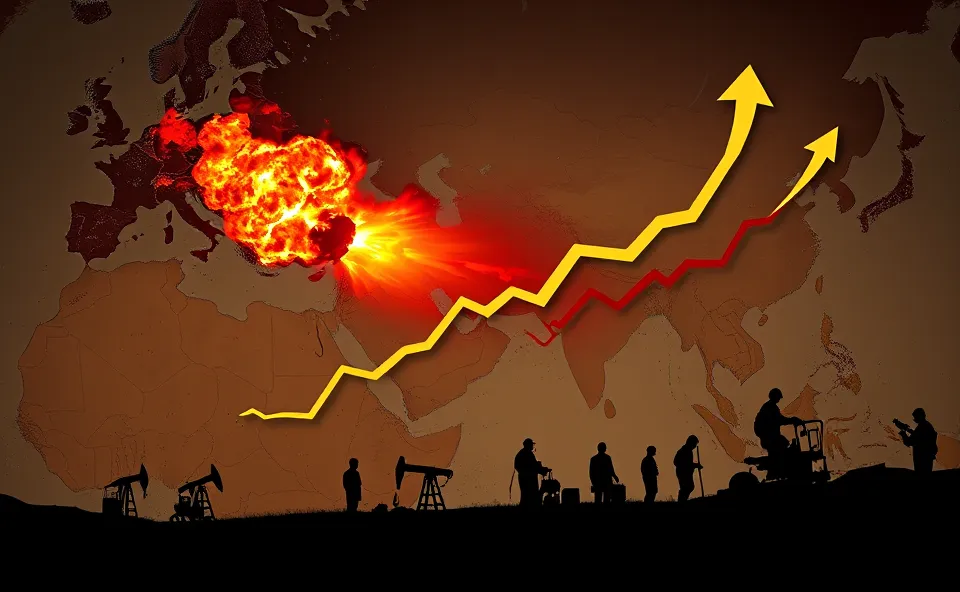
You’ve probably seen the news. Tensions have flared up significantly in the Middle East, specifically involving Iran. This isn’t just a distant event; it’s sending ripples all the way to your wallet, making gas prices a hot topic everywhere. It’s like a complex domino effect where one push in a volatile region can topple prices at the pump globally. We’re talking about an unprecedented energy shock that’s changing the entire global energy map.
Why Are We Talking About This Right Now?
Because the situation is live and its effects are immediate. When geopolitical events of this magnitude occur, especially in a region so crucial for global energy supply, the markets react fast. Consumers, businesses, and governments all start paying very close attention because the price of oil and gas directly impacts so many aspects of our daily lives. The news cycle amplifies this, and suddenly, everyone is trying to understand the connection between the Iran war and their rising gas prices. It’s about understanding the immediate economic consequences.
A Little Background to Make Sense of It All
To truly grasp what’s happening, we need to remember that Iran is a major player in the world’s oil production. For decades, its role in the global energy market has been significant. However, various international factors, including sanctions and regional politics, have often disrupted its production or its ability to export crude oil freely. This means that even small changes in its production or its ability to participate in global trade can have a disproportionate effect on the overall energy supply. Think of it like a large pipe in a complex plumbing system; if that pipe gets partially blocked or its flow is restricted, water pressure can drop everywhere else.
The Middle East, in general, has always been a focal point for oil production. Countries in this region hold a vast amount of the world’s proven fossil fuel reserves. Therefore, any instability or conflict there immediately raises concerns about the security and availability of this vital energy source. This isn’t a new story, but the current events are adding a fresh, and often dramatic, chapter to it.
The Shockwaves: Who’s Winning and Who’s Losing?
When a significant energy shock hits the global market, it’s rarely a neutral event. Some countries and companies find themselves in a better position, while others struggle. Let’s break down the winners and losers in this complex energy map, all tied to the Iran war and its impact on gas prices and oil prices.
The Unexpected Beneficiaries:
Interestingly, while consumers often feel the pain of rising gas prices, certain entities can benefit from the volatility.
- Oil Producing Nations Not Directly Involved: Countries that are major oil exporters and are not directly impacted by the conflict can see their revenues soar. With global demand remaining high and supply from affected regions potentially disrupted, these nations can sell their crude oil at higher prices, boosting their economies. Think of countries with significant oil reserves that can ramp up production or easily fill the supply gap.
- Energy Companies: Major oil and gas corporations, especially those involved in exploration and production, often see increased profits. Higher crude oil prices directly translate into higher revenues and, subsequently, higher profits, assuming their production costs remain stable or increase at a slower rate.
- Renewable Energy Sector (Long Term): While not an immediate winner, sustained high fossil fuel prices and the growing awareness of energy security issues can accelerate investment and adoption of renewable energy sources. Consumers and governments looking for alternatives to volatile oil prices might push harder for solar, wind, and other green technologies. This is a slower burn win, but a significant one for the future.
Feeling the Pinch:
On the other side, many are facing significant challenges as a result of these shifting energy dynamics.
- Consumers Worldwide: This is the most visible group of losers. Rising gas prices mean higher costs for transportation, which affects everything from daily commutes to the cost of goods and services. This increased cost of living can strain household budgets, especially for lower income families.
- Energy Importing Nations: Countries that heavily rely on importing oil and gas to meet their domestic needs are particularly vulnerable. They face higher import bills, which can strain their foreign exchange reserves and lead to inflation. Their economic stability can be directly threatened by volatile global energy supply.
- Industries Reliant on Fossil Fuels: Many industries, from manufacturing and transportation to agriculture, depend heavily on affordable fossil fuels. When oil prices spike, their operating costs increase, which can lead to higher prices for their products or services, or even reduced production.
- Developing Economies: These economies are often disproportionately affected. They have less fiscal space to absorb higher energy costs and may rely more on essential goods and services that become more expensive due to fuel price increases. The economic consequences can be severe, hindering development progress.
The geopolitical impact of such an energy shock cannot be overstated. It reshapes trade relationships, influences foreign policy decisions, and can even contribute to social unrest in vulnerable regions. The entire global energy map is being redrawn by these events.
What Could Happen Next?
Predicting the future with certainty is impossible, especially in volatile geopolitical situations. However, we can look at logical next steps and potential outcomes regarding the Iran war’s influence on global energy markets and gas prices. The key will be how the situation on the ground evolves and how global powers respond.
If diplomatic efforts succeed in deescalating tensions, we might see a gradual stabilization of oil prices. However, if the conflict widens or becomes prolonged, further supply disruptions are a real possibility. This could lead to even higher oil prices and continued pressure on global economies. Governments might intensify efforts to diversify their energy sources, accelerating the transition towards renewables and other forms of energy supply that are less susceptible to geopolitical risks. We might also see increased investment in domestic energy production in non-conflict regions, aiming to reduce reliance on potentially unstable international markets. The focus on energy security will undoubtedly intensify.
For consumers, this means continued vigilance. Being aware of potential price fluctuations and exploring ways to reduce energy consumption could become more important. Businesses will likely continue to adapt by seeking more resilient supply chains and exploring alternative energy solutions. The long term trend might be a faster shift away from sole reliance on fossil fuels, driven by the lessons learned from these historic supply shocks.
Let’s Talk Turkey: Answering Your Burning Questions
How does the Iran war directly affect global gas prices?
The Iran war impacts global gas prices primarily through its influence on crude oil supply and market sentiment. Iran is a significant oil producer. Any conflict or heightened tension involving Iran can lead to fears of supply disruptions, whether actual or potential. This uncertainty causes oil prices to rise. Since gasoline is refined from crude oil, higher crude oil prices directly translate into higher gas prices at the pump for consumers worldwide. It’s a direct link in the global energy map.
Who are the biggest winners from the current energy shock related to the Iran war?
The biggest winners are typically oil producing nations that are not directly involved in the conflict, as they can sell their crude oil at higher prices. Major oil and gas companies also benefit from increased revenues due to higher oil prices. In the longer term, the renewable energy sector may also see increased investment as the need for energy security becomes more pronounced.
What are the economic consequences of rising oil prices due to geopolitical events like the Iran war?
The economic consequences are far reaching. Consumers face higher costs for transportation and everyday goods, leading to inflation and reduced purchasing power. Energy importing nations suffer from higher import bills, potentially straining their economies. Industries reliant on fossil fuels experience increased operating costs. Overall, it can lead to slower economic growth and increased financial hardship, particularly in developing economies.
How might this situation change our energy map in the future?
This situation is likely to accelerate the global push for energy diversification and independence. Countries may invest more heavily in renewable energy sources like solar and wind power, and explore other alternative fuels to reduce their reliance on volatile fossil fuel markets. There could also be increased focus on domestic energy production in stable regions and improvements in energy efficiency to mitigate the impact of future energy shocks.
Is there any way to avoid the impact of the Iran war on my personal gas prices?
While you cannot directly influence international events, individuals can take steps to mitigate the impact of rising gas prices. This includes driving more fuel efficient vehicles, carpooling, using public transportation when possible, combining errands to reduce travel, and maintaining your vehicle for optimal fuel economy. Some people also explore energy efficient home solutions to reduce their overall energy bills, which can indirectly offset transportation costs.











