

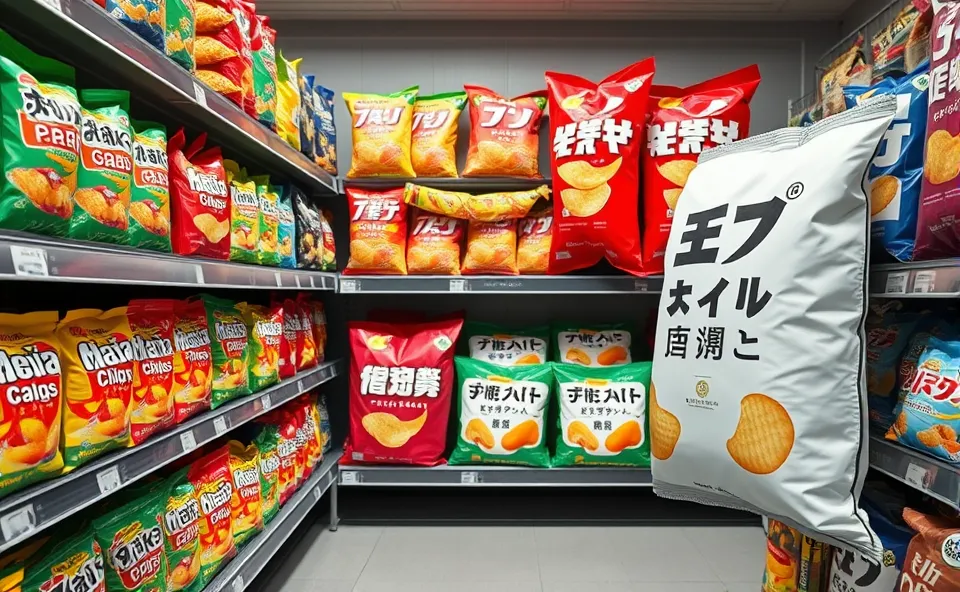
The Fading Colors of Our Favorite Chips
Imagine a world bursting with vibrant colors. Think of a beautiful, sun-drenched meadow, alive with reds, blues, and yellows. Now, picture a storm rolling in, not just any storm, but a geopolitical one, casting a long shadow that slowly drains that meadow of its brilliant hues, leaving it in shades of gray. That’s a bit like what’s happening right now, and it’s even affecting something as simple and cheerful as Japanese snacks. Specifically, it’s touching the packaging of beloved potato chips.
This story involves a major Japanese snack company, Calbee, and a difficult decision they’ve made: to switch to black-and-white packaging for some of their popular potato chips. It sounds simple, but it’s a clear sign of deeper issues rippling through the global economy. The reasons behind this shift are directly linked to the complex situation involving the Iran War and its impact on essential resources.
Why Are We Suddenly Talking About This?
You might be wondering, “Why all the chatter about black-and-white chip bags now?” It’s because this isn’t just a minor design change. It’s a stark visual indicator of a much larger story unfolding. People are searching for this because it’s a tangible, relatable example of how distant global conflicts, like the Iran War, can have very real and unexpected economic impacts right in our everyday lives. When a company like Calbee, a giant in the world of Japanese snacks, makes such a noticeable change, it grabs attention. It makes us pause and think about the invisible threads that connect our daily purchases to international events. This shift in packaging is a trending topic because it’s a powerful illustration of supply chain disruptions and the economic impact of events happening far away.
A World Relying on Familiar Threads
To truly grasp why this is happening, we need to understand the background. For decades, the global economy has been built on a complex web of trade and resources. Many countries, including Japan, rely on imports for crucial materials. One such material is naphtha. Naphtha is a byproduct of oil refining and is a fundamental building block for many products we use daily. It’s not just about gasoline; naphtha is essential for creating plastics, synthetic fibers, and importantly for our chip bags, the chemicals used in printing inks.
Japan, known for its advanced manufacturing and delicious snacks, has historically sourced a significant portion of its oil and its derivatives like naphtha from the Middle East. This region has long been a major supplier, and the flow of these resources has been fairly stable for a long time, allowing companies to plan and operate smoothly. This stability has been a cornerstone of production for everything from cars to the colorful packaging that makes our favorite Japanese snacks so appealing.
When the Colors Start to Fade
So, how does a war in the Middle East lead to plainer chip bags? It’s a chain reaction. The Iran War, along with other geopolitical tensions in the region, has disrupted the reliable flow of oil and its byproducts. This disruption means that the supply of naphtha becomes less predictable and often more expensive. For Calbee and other manufacturers, this creates a problem.
The chemicals derived from naphtha are crucial for producing the vibrant printing inks used on their packaging. When the supply of these ink components is threatened or becomes too costly, companies face a difficult choice. They can either absorb the increased costs, which could significantly impact their profits, or they can find ways to reduce their expenses.
For Calbee, the decision to use black-and-white packaging is a smart, albeit somber, solution. Black and white inks are generally less complex and can be sourced more reliably, or produced with fewer volatile components compared to the vast array of colorful inks. By simplifying their packaging to monochrome, they are essentially cutting down on a variable cost and ensuring they can still get their beloved potato chips to consumers without further supply chain disruptions. It’s a testament to their resilience and business acumen, but it also signals that the global conflict is having a palpable economic impact. This isn’t just about printing ink; it’s about the broader supply chain disruption affecting industries worldwide.
This shift highlights how interconnected our world is. A conflict thousands of miles away can translate into a less colorful snack experience for consumers. It’s a visual reminder of the economic impact of global conflicts and the fragility of established supply chains.
What Might Come Next on the Shelves?
Looking ahead, the situation with Calbee’s packaging might evolve. If the geopolitical tensions in the Middle East ease and the supply of naphtha stabilizes, we could see a gradual return of color to their chip bags. Companies are always looking for ways to make their products attractive and appealing, and vibrant packaging is a key part of that. The demand for colorful designs remains, and as soon as it becomes economically feasible and logistically sound, Calbee and others will likely bring back the full spectrum of hues.
However, this event also serves as a wake-up call for many businesses. Companies might accelerate efforts to diversify their sources of raw materials, including those for printing inks. We could see more investment in alternative technologies or materials that are less reliant on specific regions or volatile commodities. This could lead to long-term changes in packaging production, potentially making the industry more resilient to future global disruptions. For consumers, this might mean a period of adaptation, getting used to simpler designs for a while, with the hope that brighter days, both literally and figuratively, are ahead.
Frequently Asked Questions
How does the Iran War specifically affect Japanese snacks like potato chips?
The Iran War, and the associated tensions in the Middle East, can disrupt the global supply of oil and its byproducts like naphtha. Naphtha is a key ingredient in the chemicals used to create printing inks. When its supply is uncertain or its price increases significantly, companies like Calbee, a major producer of Japanese snacks, might face higher costs for colorful packaging. This can lead them to opt for simpler black-and-white packaging to manage expenses and ensure continued production of their potato chips.
What is naphtha, and why is it so important for packaging?
Naphtha is a liquid mixture of hydrocarbons that is a byproduct of oil refining. It’s a crucial raw material used in the petrochemical industry to produce many things, including plastics and synthetic materials. For packaging, naphtha is used to create the chemicals that form printing inks. The vibrancy and variety of colors on snack bags depend on these ink formulations, making naphtha a vital, though often unseen, component in making Japanese snacks visually appealing.
What does “supply chain disruption” mean in this context?
Supply chain disruption refers to any unexpected event that interrupts the normal flow of goods and services from their origin to the consumer. In this case, the Iran War is causing a disruption because it makes it harder and more expensive to get essential materials like naphtha from the Middle East to manufacturers in Japan. This interruption can lead to production delays, increased costs, and changes in product presentation, like the move to black-and-white packaging for Japanese snacks.
Is Calbee the only company making these packaging changes due to the Iran War?
While Calbee has made a prominent decision regarding its potato chips, the impact of the Iran War and resulting supply chain disruptions is likely affecting numerous companies across various industries that rely on similar raw materials. The economic impact of global conflicts is widespread, and shifts in packaging or production can be indicators of broader challenges faced by manufacturers worldwide, not just those producing Japanese snacks.
What does this mean for the future of Japanese snack packaging?
This situation highlights the need for greater resilience in supply chains. Companies may explore diversifying their sources for printing ink components, invest in alternative materials, or develop more sustainable and less resource-dependent packaging solutions. While the current move to black-and-white packaging is a response to immediate challenges, it could spur innovation leading to long-term changes in how Japanese snacks and other products are packaged, potentially making them more adaptable to future global events.











