

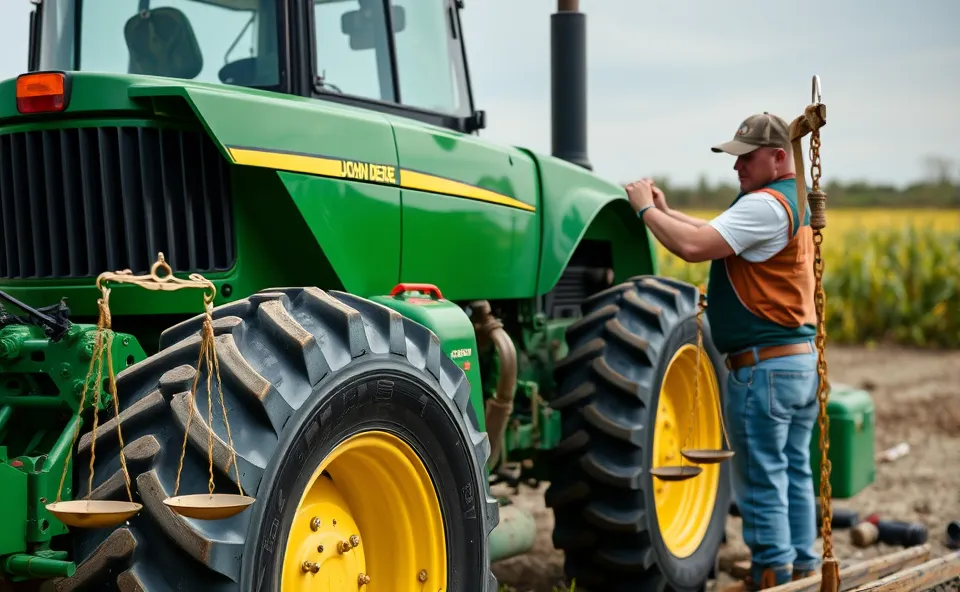
The Big News About John Deere and Your Tractor
So, you might have heard some chatter about John Deere, the company famous for its green and yellow tractors. Turns out, they’ve agreed to a pretty significant settlement, around $99 million. This isn’t just about a few broken parts; it’s tied to a bigger conversation that’s been simmering for a while: the right to repair. Essentially, John Deere is accused of making it tough for farmers and owners to fix their own equipment, or even get it fixed by independent shops.
Why Is Everyone Talking About John Deere Right Now?
This $99 million John Deere settlement is suddenly front and center because it highlights a key battleground in the ongoing right-to-repair movement. For years, farmers, consumer advocates, and even some lawmakers have been pushing for laws that would give owners more control over how they maintain and repair the products they buy, especially expensive machinery like tractors. This John Deere lawsuit and its resolution act as a very visible case study, bringing the complexities of repair monopolization and consumer rights to the forefront. It’s a moment where the abstract idea of the right to repair becomes very concrete, affecting real people and a major agricultural equipment manufacturer.
A Look Back at the Seeds of This Issue
To really get why this John Deere settlement matters, we need to rewind a bit. For a long time, if you bought a John Deere tractor, you pretty much had to go back to John Deere or an authorized dealer for any significant repairs. They control the software, the diagnostic tools, and often, the parts. This made sense from their perspective to ensure quality and safety. However, farmers, especially those in remote areas, found this incredibly frustrating and expensive. Imagine your combine breaking down during harvest, and the only authorized technician is days away, or the only available part is astronomically priced.
This frustration led to a farmer lawsuit and broader calls for change. The core of the argument is that manufacturers like John Deere have, through their control of technology and information, created a repair monopolization situation. They’re accused of essentially forcing customers into their costly repair ecosystem. The right-to-repair movement argues that if you own something, you should have the freedom to fix it yourself, or choose who fixes it, using readily available parts and information. This has become a significant antitrust concern for many.
What Does This Mean for You and the Future of Farming?
This John Deere settlement has ripples that extend far beyond the company itself. For farmers, it’s a potential step towards more affordable and accessible tractor repair. The hope is that this settlement, and the underlying right-to-repair sentiment it represents, will lead to more options for servicing agricultural equipment. This could mean:
- Easier access to diagnostic tools and software updates.
- More availability of genuine or compatible replacement parts.
- The ability for independent repair shops to service John Deere machinery.
- Ultimately, lower repair costs and less downtime, which is crucial for livelihoods.
From a broader technology and business perspective, this case underscores a growing tension. As products become more complex and software-driven, manufacturers have more leverage over the repair market. The John Deere lawsuit is a clear signal that consumers and regulators are pushing back against what they see as unfair business practices. It puts other companies, especially those in consumer tech and heavy equipment, on notice. The landscape of product ownership, repair, and manufacturer control is being redefined.
This isn’t just about tractors; it’s about the fundamental idea of ownership in an increasingly connected and digitally controlled world. The outcome of such disputes can shape how technology is designed, how companies interact with their customers, and what rights consumers have when it comes to the products they invest in.
Peering into What Comes Next
Looking ahead, this John Deere settlement doesn’t necessarily mean all repair issues are instantly solved. However, it’s a significant marker. We can likely expect continued pressure from consumer advocates and farmers for more comprehensive right-to-repair legislation. This might lead to manufacturers proactively changing their policies to avoid future lawsuits and regulatory scrutiny. We could see:
- Increased transparency in repair manuals and diagnostic information.
- Greater standardization of parts and software interfaces.
- More partnerships between manufacturers and independent repair networks.
The debate around repair monopolization is far from over. This John Deere settlement is a victory for those advocating for greater consumer choice and a more open repair market. It sets a precedent and fuels the ongoing conversation about how technology ownership should work in the 21st century.
Your Questions Answered About John Deere and Repair
What is the John Deere settlement about?
The John Deere settlement, valued at $99 million, addresses allegations that the company engaged in repair monopolization, making it difficult for farmers and owners to repair their John Deere agricultural equipment themselves or through third-party shops.
Why are farmers concerned about John Deere and the right to repair?
Farmers are concerned because restrictive repair policies from companies like John Deere can lead to expensive and time-consuming tractor repair issues. The right to repair movement aims to give them the freedom to fix their equipment using accessible parts and information, reducing downtime and costs.
Has John Deere lost a farmer lawsuit before this settlement?
The $99 million settlement is a resolution to ongoing legal and regulatory scrutiny surrounding John Deere’s repair practices, which have been the subject of farmer lawsuits and antitrust concerns.
What does repair monopolization mean in the context of John Deere?
Repair monopolization means that John Deere has been accused of controlling the repair market for its agricultural equipment, limiting competition and forcing customers to rely solely on John Deere’s authorized services, parts, and diagnostic tools.
How might the John Deere settlement impact the right to repair movement?
The John Deere settlement is a significant development that bolsters the right to repair movement. It shows that such legal actions can lead to substantial financial outcomes and may encourage more manufacturers to adopt more open repair policies to avoid similar antitrust challenges.











