

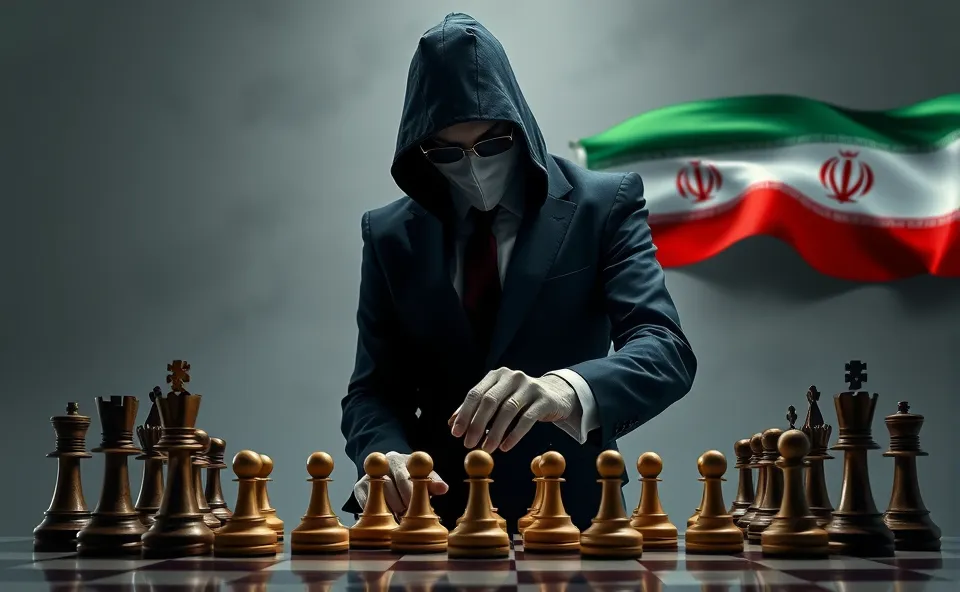
A bold new turn in foreign policy
If you have been following the latest shifts in Washington, you might have noticed a loud and specific conversation brewing regarding how the United States handles its relationship with Tehran. Larry Kudlow, a prominent voice in conservative economic and political circles, recently laid out a vision that moves far beyond the traditional playbook of quiet talks and backroom negotiations. Instead of relying on standard diplomacy, he is pushing for a much more aggressive approach.
Kudlow suggests that the time for patience has expired. He is advocating for a strategy that includes covert operations and, more pointedly, the pursuit of Iran regime change. To him, the current path of using international pressure is simply not cutting it. He argues that if the current leadership in Tehran continues to present a challenge to global stability, the United States should consider moving toward a more forceful posture, including the possibility of major combat operations if necessary.
Why everyone is talking about this strategy
The reason this topic is trending right now is that the geopolitical strategy of the past decade feels like it is hitting a wall. Many people are questioning whether traditional sanctions and treaties have actually achieved their goals. When a figure with as much access and influence as Larry Kudlow speaks, it signals a potential shift in the thinking within the corridors of power. People are searching for this because they want to know what a potential second Trump term might actually look like.
The conversation is no longer just about trade tariffs or standard military posturing. It is about whether the United States is ready to fundamentally redraw the map of the Middle East. Whether you agree with the idea or not, the talk of active regime change is a massive departure from the status quo. It has sparked intense debate among policy wonks, business leaders, and the general public alike, all of whom are trying to gauge if we are standing on the edge of a major shift in how the U.S. exerts its influence abroad.
The history behind the tension
To understand why we are here, we have to look at the long, complicated history between the U.S. and Iran. For decades, the relationship has been defined by a cycle of sanctions, proxy conflicts, and fragile agreements. During his first term, Donald Trump famously withdrew from the nuclear deal, favoring a policy of maximum pressure. The goal was to force the Iranian government to change its behavior through severe economic pain.
However, the supporters of the current call for a more aggressive stance argue that maximum pressure did not go far enough. They look at the current geopolitical landscape and see a regime that has only become more entrenched. Kudlow and those who share his views are essentially saying that the middle ground has disappeared. They believe the U.S. should stop treating the current Iranian leadership as a partner in any capacity and instead view them as an entity that needs to be replaced to ensure long-term regional stability.
What this means for the global landscape
For the average person and the business community, this kind of rhetoric creates a massive amount of uncertainty. Markets hate ambiguity, and the prospect of shifting from diplomatic engagement to covert action or large scale combat operations is a significant variable for anyone doing business internationally.
- Supply Chain Disruptions: Any escalation in the Middle East puts critical shipping lanes at risk. Businesses that rely on global energy markets should prepare for potential price volatility.
- Defense Spending: A shift toward aggressive foreign policy often coincides with increased government contracts for the defense and aerospace sectors.
- Global Alliances: A move toward regime change would likely strain relationships with European allies who have consistently favored a diplomatic approach to Iran.
- Market Sentiment: Investors often move toward safe-haven assets when there is talk of major conflict, which can cause ripples across the stock market.
Beyond the spreadsheets and logistics, this approach marks a transition in how we view state sovereignty and the role of the U.S. as a global stabilizer. If the U.S. decides to actively pursue regime change, it effectively puts every other nation on notice that the rules of engagement have changed.
Looking ahead at the potential path forward
So, where does this lead? If this line of thinking gains traction within a future Trump administration, we might see the U.S. move toward a strategy that prioritizes surgical, covert action. The goal would likely be to weaken the current leadership structure from within, making it difficult for the regime to function effectively. This would be a departure from traditional “major combat operations,” which are expensive and politically taxing, in favor of a more “behind the scenes” approach.
However, the risks are high. Any attempt to force regime change is incredibly difficult to control. It rarely follows a simple script, and it often leads to unexpected outcomes. While the intention might be to replace a hostile leadership with a more stable one, history tells us that such efforts can lead to long-term instability that is even harder to manage. The challenge for policymakers will be balancing the desire for a swift, decisive result with the reality that the Middle East is a complex, interconnected web of interests.
Common questions about the future of U.S. policy
How likely is a shift toward Iran regime change under Trump?
While Donald Trump has shown he prefers to avoid long-term wars, his advisors and vocal supporters like Larry Kudlow are clearly pushing for a more confrontational approach. Whether this becomes official policy depends on the specific goals of his administration and the geopolitical environment at the time.
What role does Larry Kudlow play in shaping foreign policy?
Kudlow is a highly influential voice who understands the intersection of economics and national security. When he suggests that diplomacy is failing, he provides an intellectual and strategic framework for others in the administration to follow, which gives his words significant weight.
What are the primary risks of using covert action against Iran?
Covert action can easily spiral into open conflict. It also creates a high degree of unpredictability in global energy markets and can lead to retaliatory cyberattacks or proxy violence elsewhere in the world.
How does this differ from the strategy of diplomacy?
Diplomacy relies on dialogue, treaties, and incremental compromise. The strategy proposed by figures like Kudlow argues that these methods are ineffective and that active, forceful measures are the only way to achieve a fundamental change in the behavior of the regime.
Could major combat operations become a reality?
While nobody wants a full-scale war, it remains one of the extreme options on the table. The shift in rhetoric suggests that the U.S. is increasingly willing to signal that all options remain valid, moving away from the “no war” stance that has been a staple of recent American foreign policy debates.











