

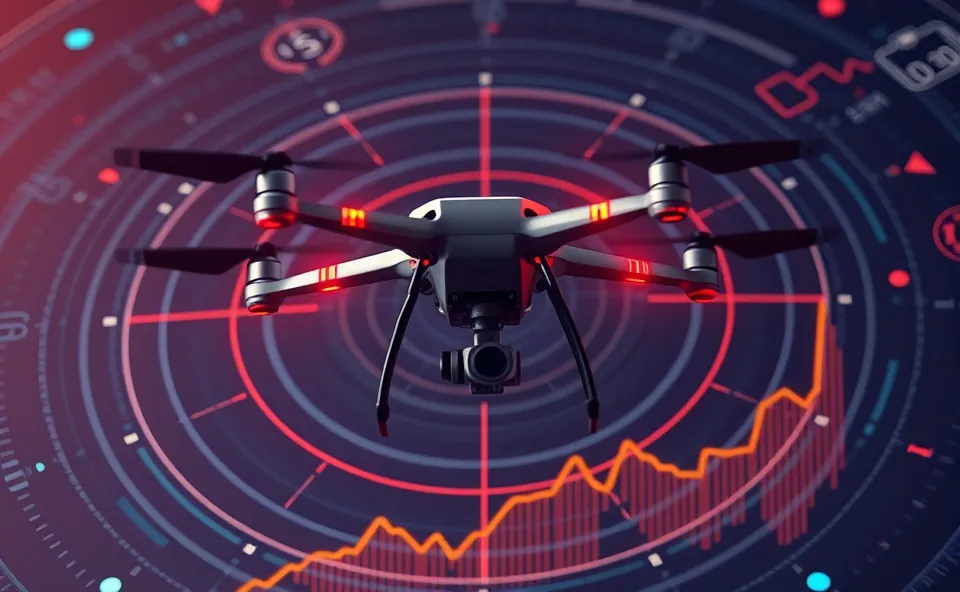
The New Battle for the Skies
Imagine a modern battlefield. For decades, the biggest threats were tanks, jets, and missiles. But today, the game has changed. Small, cheap drones can now take out multi-million dollar equipment. These drones are hard to see on old radar screens and even harder to stop once they are in the air. This has created a massive problem for militaries around the world. They are essentially blind to a threat that is becoming the primary weapon of modern war.
This is where Leonardo DRS steps in. While many people think of defense as just building bigger planes or ships, the real fight is now about sensors and signals. Leonardo DRS specializes in the high tech gear that lets armies see these tiny threats and knock them out of the sky. They provide the radar systems and counter-drone technology that turn the tide in these asymmetric fights. Essentially, they are building the digital shield that modern armies desperately need.
The company is not just making a few gadgets. They are integrating complex electronic systems that can detect, track, and neutralize threats in real time. For anyone watching the defense industry, this shift is a huge signal. When the nature of warfare changes, the companies providing the solution become the most important players in the room.
Why Everyone Is Talking About Drone Defense Right Now
If you have watched the news lately, you have seen drones in action. From Eastern Europe to the Middle East, small unmanned aerial vehicles are changing how wars are fought. A drone that costs a few hundred dollars can now disable a tank that costs millions. This imbalance has sent shockwaves through the aerospace and defense sector.
People are searching for DRS stock and analyzing the company because the demand for drone detection is no longer a luxury. It is a survival requirement. Traditional radar was designed to find giant metal planes flying high in the sky. It often misses a small plastic drone flying low to the ground. This gap in capability has created a gold rush for companies that can solve the problem.
There are a few reasons why this trend is accelerating:
- Accessibility: Commercial drone tech is now available to almost anyone, making the threat widespread.
- Swarm Tactics: Militaries are worried about drone swarms, where dozens of drones attack at once to overwhelm defenses.
- Low Cost: Because drones are cheap, enemies can afford to lose hundreds of them to get one hit.
Because of these factors, governments are rewriting their budgets. They are moving money away from old school hardware and pouring it into electronic warfare and sensor networks. This pivot makes the business model of Leonardo DRS look incredibly strong.
The Foundation of a Defense Powerhouse
To understand why Leonardo DRS is in such a good position, you have to look at what they actually do. They are not a generalist. They are specialists in the “nervous system” of military hardware. While other defense contractors focus on the “muscles” like the hull of a ship or the wing of a plane, DRS focuses on the electronics, power systems, and sensors that make those machines smart.
For years, they have built a reputation for high end military technology. Their expertise in gallium nitride, a material used to make more efficient and powerful radar, gives them a massive technical edge. This isn’t something a company can just start doing overnight. It requires deep engineering knowledge and years of government certifications.
They have spent a long time embedding themselves into the core projects of the US military and its allies. This means they are not just selling a product. They are building the infrastructure that the military relies on. When a government decides to upgrade its radar systems, Leonardo DRS is often the first name on the list because their tech is already integrated into the ecosystem.
What This Means for the Market and Technology
The surge in demand for counter-drone technology is doing more than just boosting one company. It is shifting the entire logic of defense spending. We are seeing a move toward “distributed lethality,” where instead of one big expensive radar station, you have many small, connected sensors. This is exactly where Leonardo DRS excels.
For the market, this creates a very specific kind of growth opportunity. Unlike some tech trends that bubble and burst, the need for drone defense is based on a permanent change in security. Drones are not going away. Therefore, the demand for drone detection and electronic jamming is likely to remain high for decades.
This has a ripple effect on how we view investment analysis in the defense sector. Investors are looking past the giants who build the planes and are starting to value the companies that provide the intelligence. The impact is clear:
- Higher Margins: Specialized tech like electronic warfare often commands higher prices than bulk hardware.
- Recurring Revenue: These systems require constant software updates to keep up with new drone threats.
- Strategic Moats: The high barrier to entry in military technology protects these companies from new competitors.
Where the Technology Goes From Here
Looking forward, the battle between drones and counter-drone systems will be an arms race. As drones get smarter and use AI to avoid detection, the radar and jamming systems must evolve even faster. This is why the future for Leonardo DRS looks promising. They are not just selling a static product. They are in a cycle of continuous innovation.
We can expect to see a deeper integration of artificial intelligence. Future radar systems will likely use AI to instantly tell the difference between a bird, a commercial drone, and a military threat. This reduces false alarms and allows for faster response times.
We will also likely see a shift toward integrated air and missile defense. Instead of having one system for missiles and another for drones, the goal is a single, seamless web of protection. Leonardo DRS is perfectly positioned to lead this because they already handle the complex electronics that link these different systems together.
As more countries realize their vulnerability to drone attacks, the export market will grow. The demand is not just coming from the US, but from every nation that wants to protect its borders. This creates a long runway for growth as they scale their solutions globally.
Common Questions About Leonardo DRS and Defense Tech
What makes Leonardo DRS different from other defense contractors?
While many companies build the actual vehicles or aircraft, Leonardo DRS focuses on the electronics, power, and sensors. They provide the critical “brains” and “eyes” of the system, specializing in electronic warfare and radar systems.
Why is counter-drone technology so important right now?
Modern drones are cheap, easy to get, and hard to detect. They can bypass traditional defenses to attack high value targets. Counter-drone technology allows militaries to find these threats and stop them before they reach their target.
How does drone detection work in simple terms?
Drone detection usually involves a mix of tools. Radar looks for the physical object in the air, while electronic sensors listen for the radio signals the drone uses to talk to its operator. Once found, electronic warfare tools can jam those signals to crash the drone.
What drives growth opportunities for DRS stock?
Growth is primarily driven by increased defense spending on asymmetric warfare. As governments prioritize the fight against drones and improve their military technology, companies with specialized sensor and radar capabilities see more contracts.
Is the demand for radar systems only for the military?
While the military is the biggest buyer, there is a growing need for radar systems in critical infrastructure. Airports, power plants, and stadiums are increasingly looking for counter-drone technology to protect against unauthorized drone flights.











