

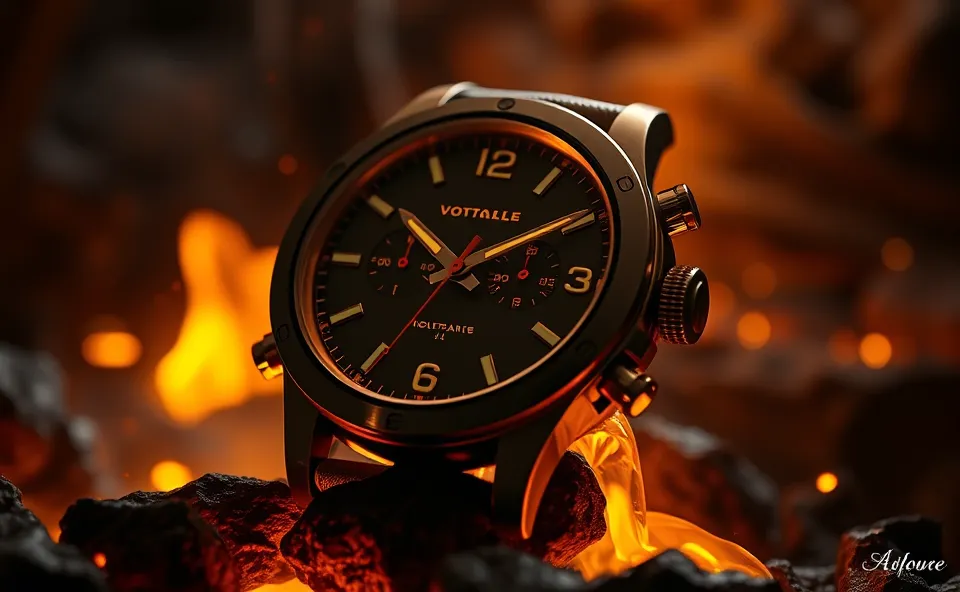
When Time Turns to Treasure
Imagine this: a beautiful, rare vintage watch, the kind that whispers stories of a bygone era, isn’t being admired for its intricate mechanics or storied past. Instead, it’s being unceremoniously melted down. This isn’t a hypothetical scenario; it’s a concerning trend that’s emerging. We’re talking about a kind of ‘gold fever’ where the precious metal content of these timepieces is becoming the main attraction, pushing aside their horological value. It’s a fascinating, albeit a bit sad, shift in how some people view these once cherished objects.
Why the Rush to Melt Down History?
So, what’s behind this sudden surge in interest in dismantling valuable watches for their raw materials? Several factors are at play, and they all point to a changing economic landscape. The global economy has been a bit topsy-turvy lately. People are looking for ways to protect their wealth or even make a quick profit. When the prices of precious metals like gold and platinum spike, it makes items made from these materials incredibly tempting targets. This isn’t just about simple greed; it’s about responding to market signals and seeking tangible assets in uncertain times. The allure of turning a vintage watch into liquid, raw gold is powerful, especially when the secondary market for collectibles might seem less predictable or immediate.
A Look Back: The Value Beyond the Metal
For decades, vintage watches were primarily collected for their craftsmanship, heritage, and historical significance. Enthusiasts, known as horologists, would spend fortunes on rare models, appreciating the intricate movements, the design evolution, and the stories attached to each brand. Owning a vintage watch was an investment in art, history, and a testament to mechanical ingenuity. The secondary market for these luxury watches thrived, with values often soaring based on rarity, condition, and provenance. This created a dedicated community of collectors who saw these timepieces as more than just status symbols, but as important pieces of industrial art and personal history. The appreciation in value was often driven by desirability and scarcity, not just the inherent worth of the materials used.
The Ripple Effect on Collectors and the Market
This ‘gold fever’ has significant consequences. For the world of watch collecting, it means a potential loss of irreplaceable historical artifacts. Fewer rare vintage watches will be available for future generations to admire and study. This can drive up prices for the remaining pieces, making them even more exclusive. For businesses involved in the secondary market, it presents a challenge. They have to compete with the immediate financial incentive of melting down a watch. This trend highlights a fundamental shift from valuing an object for its intrinsic beauty and craftsmanship to valuing it solely for its material worth. It also impacts the precious metals market, as an increased supply of gold and platinum from dismantled watches could, in theory, affect global prices, though the scale of this impact is debated. It’s a clear example of economic shifts influencing even the most niche and passionate collecting communities.
What Lies Ahead for Timepieces?
Looking forward, it’s likely we’ll see a continued tension between the collectible value and the raw material value of vintage watches. As long as precious metals remain attractive investments, the temptation to melt will persist. However, the true rarity of certain vintage watches might push their collectible value even higher, creating a divide. Perhaps we’ll see more innovative ways to authenticate and preserve these watches, emphasizing their historical and artistic merit. There could also be an increased focus on recycling and ethical sourcing of precious metals in new watch production, reducing reliance on dismantling vintage pieces. The watch industry and collectors will likely adapt, finding new ways to celebrate and protect the heritage of horology in the face of these evolving economic realities. The appeal of owning a piece of history with a story will likely endure, even if the melted gold value becomes a prominent consideration.
Frequently Asked Questions
- What is the main reason behind the current gold fever and its impact on luxury watches?
- How does the gold melting trend affect the market for vintage watches and watch collecting?
- What are the motivations for people to melt down luxury watches instead of selling them on the secondary market?
- Are there specific types of vintage watches that are more susceptible to this gold fever phenomenon?
- What is the relationship between the precious metals market and the value of luxury watches as assets for liquidation?











